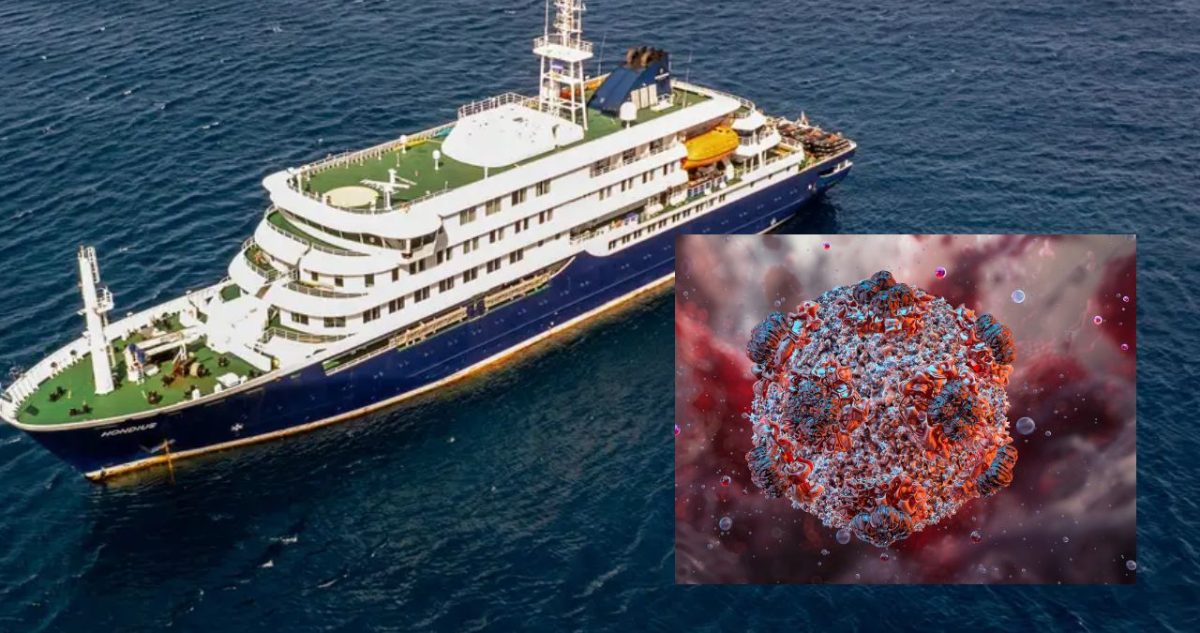

A rare viral outbreak aboard a cruise ship has drawn international attention, prompting public health officials to assess the risks and address misconceptions. The virus in question, hantavirus, is typically associated with rural rodent exposure rather than maritime travel, making this cluster of cases unusual.
Understanding Hantavirus
Hantavirus refers to a family of viruses carried primarily by rodents, particularly deer mice, cotton rats, and rice rats. Humans can contract the virus through inhalation of aerosolized urine, droppings, or saliva from infected rodents. Person-to-person transmission is extremely rare and has only been documented in specific strains such as the Andes virus in South America.
Symptoms often begin with fatigue, fever, and muscle aches, progressing to severe respiratory distress in cases of hantavirus pulmonary syndrome. The mortality rate for HPS can reach 38 percent, according to the Centers for Disease Control and Prevention.
The Cruise Ship Incident
Health authorities have confirmed a small number of hantavirus infections among passengers and crew on a recent cruise itinerary. While the exact source remains under investigation, early evidence points to contaminated cargo or portside rodent exposure rather than onboard transmission. Cruise lines have since intensified sanitation protocols and rodent control measures.
Experts emphasize that the outbreak is contained and does not signal a broader public health threat. The World Health Organization has not issued any travel advisories related to this event.
Can Hantavirus Affect People in the UAE?
The United Arab Emirates has a hot, arid climate that is largely inhospitable to the rodent species that carry hantavirus. The country’s robust public health surveillance systems and strict import regulations further reduce the likelihood of the virus establishing a foothold. To date, no confirmed cases of hantavirus infection have been reported in the UAE.
However, travelers returning from regions where the virus is endemic, such as parts of the Americas and Asia, should be aware of symptoms and seek medical attention if they develop flu-like signs after potential rodent exposure. The UAE Ministry of Health and Prevention has stated that it is monitoring the situation internationally and remains prepared to respond if necessary.
Global Implications and Preparedness
While the cruise ship outbreak has generated headlines, infectious disease specialists stress that hantavirus remains a rare and geographically limited illness. Modern sanitation practices in shipping and hospitality industries significantly reduce transmission risks. The primary global concern lies in underdiagnosis in regions where medical awareness is low.
Ongoing research focuses on developing a vaccine for hantavirus, though none is currently available commercially. Health officials recommend avoiding rodent infestation in homes and workplaces, especially in rural or semi-rural settings.
As investigations continue, authorities are expected to release a detailed report on the cruise ship cases within the next two months. This will likely include improved guidelines for rodent control in maritime environments. Until then, the global health community advises calm and evidence-based precaution, not alarm.