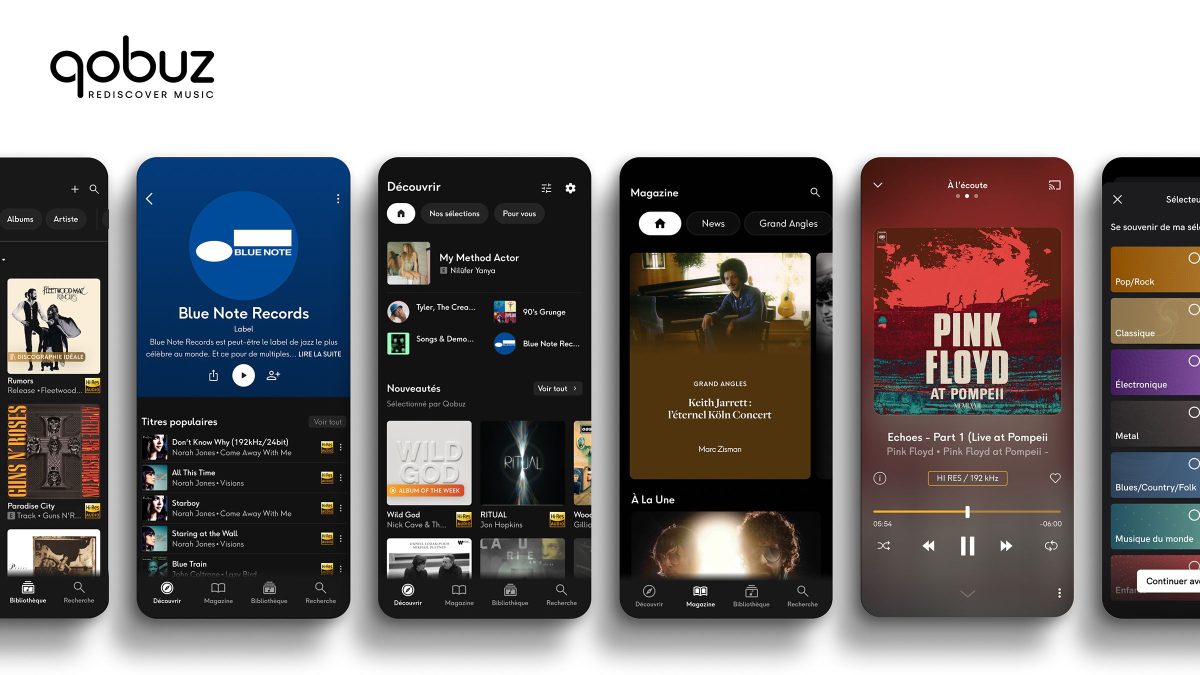

The music streaming market has long been dominated by services focused on convenience and algorithm driven personalization. Qobuz, a hi-res audio streaming platform, has carved a distinct path by emphasizing sound quality, artist compensation, and human curated editorial content.
Differentiation Through Audio Quality and Royalties
Qobuz offers lossless and high resolution audio streaming, a feature not universally available across competing platforms. The service also pays larger royalties to artists compared to many mainstream streaming services, a point of differentiation that appeals to musicians and audiophile listeners.
In addition, Qobuz maintains a no-AI content policy. The platform uses human editors to curate playlists and recommend music rather than relying on machine learning algorithms. This approach targets listeners who prefer intentional discovery over automated suggestions.
Market Position and User Migration
The combination of high fidelity sound, fairer payout structures, and editorial curation has attracted users seeking an alternative to larger competitors. Industry observers note that Qobuz is steadily gaining subscribers from other streaming platforms, particularly among users who prioritize audio quality and ethical business practices.
The service currently offers a catalog of over 100 million tracks in lossless format. It also provides access to exclusive interviews, album reviews, and artist editorial content, further distinguishing it from algorithm driven rivals.
Platform Accessibility and Pricing
Qobuz is available on desktop, mobile, and various networked audio devices. Subscription tiers include a free ad-supported version with limited quality, a high quality streaming plan, and a Sublime+ tier that includes discounts on high resolution downloads.
For listeners who value owning music files, Qobuz also operates a digital store where users can purchase albums and tracks in lossless or high resolution formats. This hybrid model contrasts with the rental based approach of most streaming services.
Broader Industry Implications
The growth of Qobuz reflects a broader trend in digital music consumption: a segment of listeners is willing to pay a premium for better sound quality and transparent royalty structures. As more consumers become aware of the differences in audio fidelity and artist compensation, platforms like Qobuz may continue to gain traction.
The service faces challenges, however, including a smaller catalog size compared to industry leaders and limited integration with some smart speakers and car audio systems. These factors may slow mainstream adoption but have not deterred its core audience.
Looking ahead, Qobuz is expected to expand its geographic availability and potentially introduce new pricing tiers. The company has not announced specific timelines, but continued investment in high resolution streaming infrastructure and editorial resources is anticipated. Whether this model can achieve broader market penetration remains an open question, but for now, it offers a clear alternative for a discerning subset of music listeners.