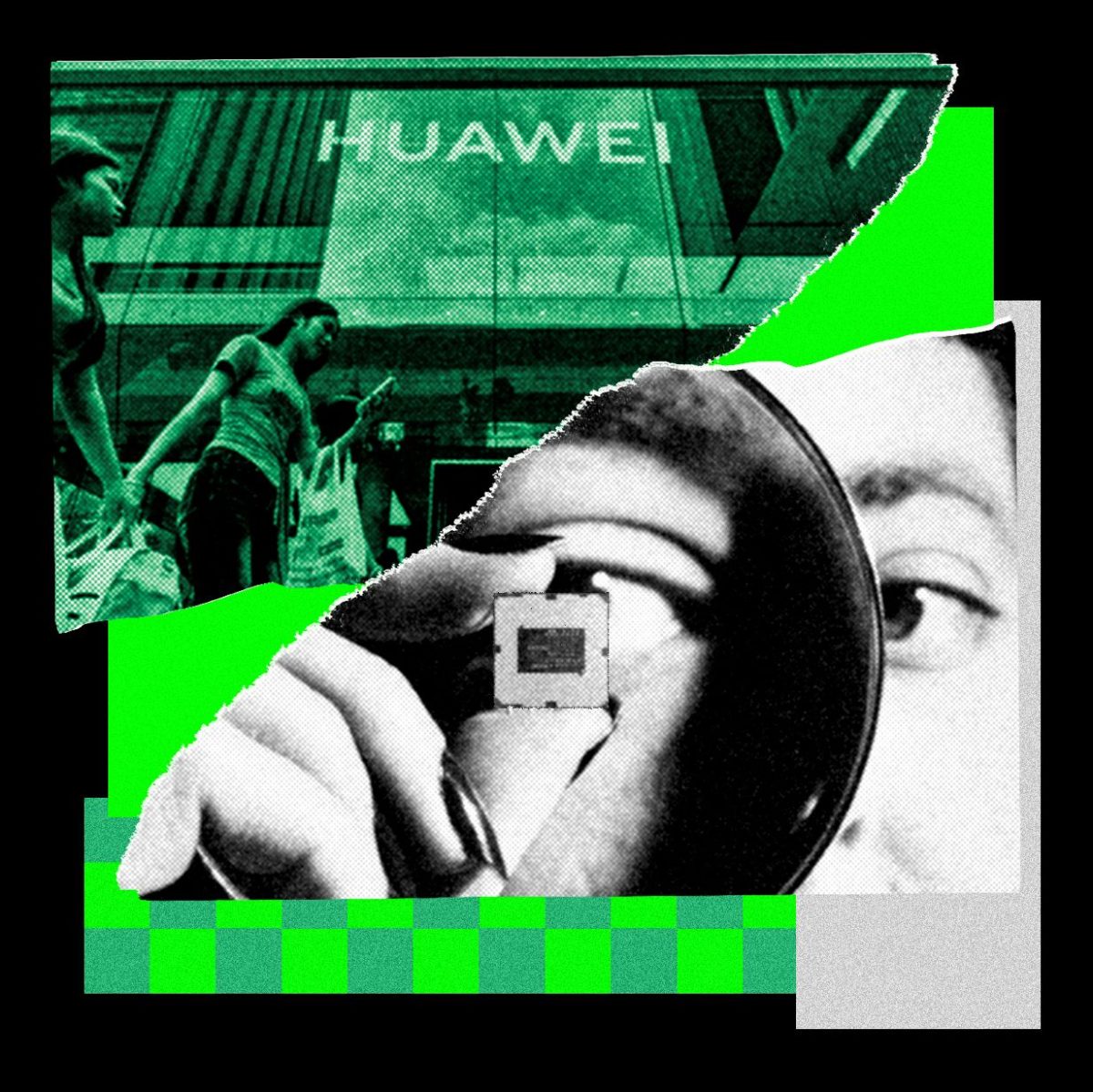

Huawei Technologies has entered a new phase in semiconductor strategy, led by a senior engineer often referred to as the company’s ‘Chip Queen.’ The move signals a direct challenge to the long standing US dominance in chip design and manufacturing.
The Chinese technology firm is adapting to the gradual end of Moore’s Law, the decades old observation that the number of transistors on a microchip doubles approximately every two years. As that pace slows, Huawei sees an opportunity to leapfrog traditional constraints through innovative architectures and alternative materials.
Background on the Engineering Lead
The engineer in question has overseen several of Huawei’s most advanced processor projects, including the Kirin series used in its smartphones. Her promotion to a more visible leadership role underscores Huawei’s commitment to self sufficiency in chip design, especially after US export controls restricted access to advanced fabrication tools and third party suppliers.
Under her guidance, Huawei’s semiconductor division has focused on heterogeneous integration, stacking chips vertically, and using photonic or quantum components to extend performance gains beyond what silicon alone can deliver.
Implications for US Chip Supremacy
The shift comes at a time when the US government has intensified efforts to maintain its lead in chip technology through the CHIPS Act and tighter export restrictions. However, Huawei’s strategy bypasses the need for the most advanced lithography machines, which are currently dominated by Dutch firm ASML and restricted for sale to China.
Industry analysts note that if Huawei succeeds in commercializing chips that achieve competitive performance through novel packaging and post silicon materials, it could reshape global supply chains. This would reduce the leverage that US sanctions currently hold over the company.
Market and Ecosystem Effects
Huawei has also invested heavily in its own software ecosystem, including the HarmonyOS operating system, which can be optimized for its custom chips. This vertical integration allows the company to control both hardware and software performance tuning, a model similar to Apple’s approach.
Other Chinese semiconductor firms are closely watching Huawei’s progress. A breakthrough could encourage a wave of domestic investment in alternative chip architectures, further eroding the traditional advantages of US based foundries and fabless designers.
For the broader tech industry, the demise of Moore’s Law means that performance improvements will increasingly come from system level optimization rather than transistor scaling alone. Huawei’s work may accelerate this global transition, forcing competitors to rethink their own roadmaps.
The company has not publicly disclosed a specific timeline for its next generation consumer chips. However, internal sources suggest that a new flagship processor using advanced packaging techniques could be announced within the next 18 months, pending yields and reliability testing.