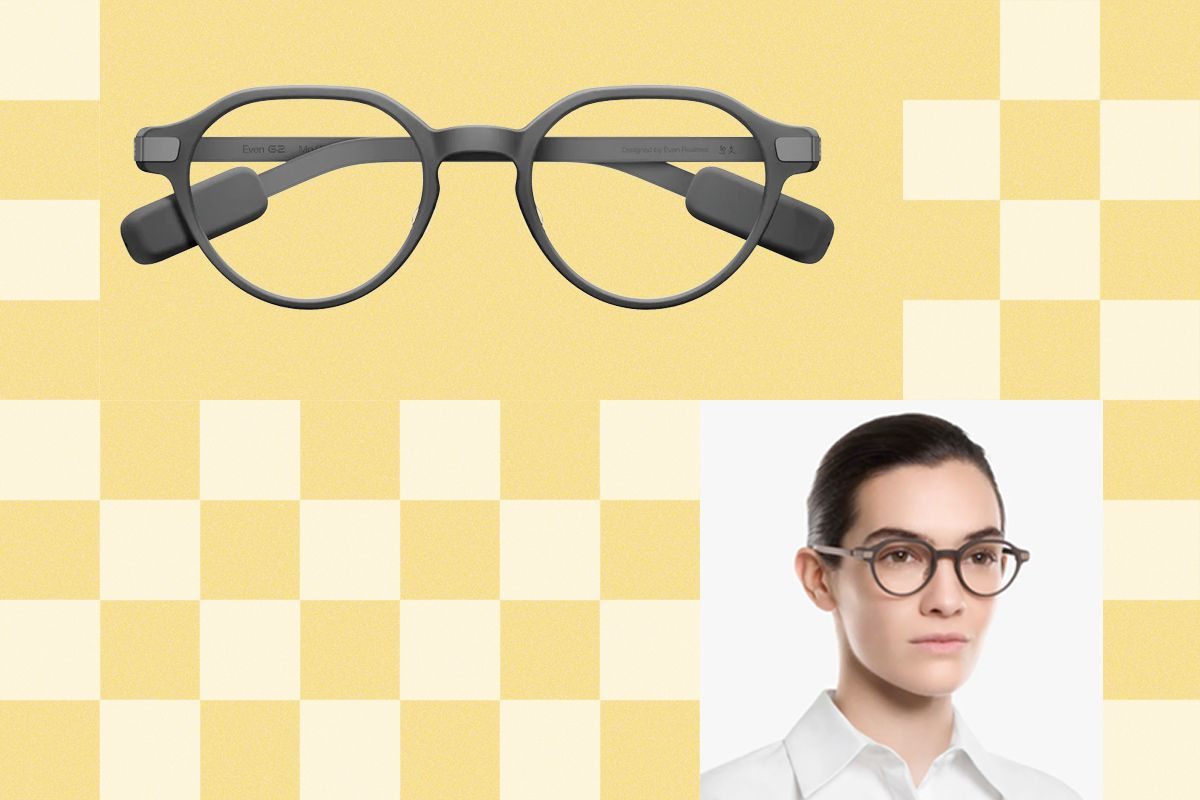

Struggling to follow a conversation in a noisy environment or due to hearing difficulties now has a technological solution. Live captioning smart glasses, which display real time subtitles directly in the user’s field of vision, have advanced significantly. WIRED magazine recently published its assessment of the top models available in 2026, evaluating factors such as accuracy, latency, battery life, and comfort.
How Live Captioning Glasses Work
These devices integrate miniature microphones, speech recognition software, and a transparent display. The glasses capture ambient speech, process it through on board or cloud based algorithms, and project synchronized text onto the lenses. Most models support multiple languages and can filter out background noise to improve transcript quality.
The technology builds on earlier augmented reality concepts but focuses specifically on accessibility. Unlike general purpose AR glasses, live captioning models prioritize low latency and high accuracy for spoken word recognition over graphical overlays. Some units also offer optional audio amplification for users with partial hearing loss.
Key Findings from the WIRED Review
WIRED’s testers noted that the top performing models achieved subtitle accuracy rates exceeding 95 percent in quiet settings and approximately 85 percent in moderate ambient noise. Latency ranged from 200 to 500 milliseconds, depending on the device and network conditions. Battery life averaged between four and six hours of continuous captioning use.
Comfort and design were also critical factors. The lightest models weighed under 50 grams, making them suitable for extended wear. Frame styles varied from discreet, near invisible designs to more conspicuous, futuristic looks. WIRED highlighted that prescription lens integration is now standard across all tested brands.
Market Implications
The review underscores a growing trend toward assistive technology that blends into everyday accessories. As speech recognition software improves and hardware miniaturizes, live captioning glasses are becoming a practical tool for the deaf and hard of hearing community, as well as for professionals in loud environments such as factory floors, newsrooms, or open plan offices.
Several manufacturers have announced software updates that expand language support and improve captioning for accented speech. However, WIRED cautioned that no current device performs flawlessly in extremely noisy contexts, such as crowded restaurants or construction sites.
Technical Considerations for Prospective Users
Users should evaluate their primary use cases before purchasing. For indoor meetings and one on one conversations, most leading models provide adequate performance. For outdoor use or high noise environments, devices with beamforming microphones and dedicated on device AI processors tend to fare better.
Connectivity is another factor: some glasses require a paired smartphone for processing, while others operate independently. Data privacy also varies, with some models processing speech entirely on device and others sending audio to cloud servers. WIRED recommended checking manufacturer policies for users who handle sensitive conversations.
Future Outlook
Industry analysts expect next generation models to reduce latency below 100 milliseconds and improve noise cancellation through more advanced machine learning models. Additionally, lighter materials and longer battery life are anticipated within the next product cycles. Standard setting bodies in accessibility technology are also developing benchmarks to help consumers compare performance across brands.
WIRED concluded that while the technology is not yet perfect, the 2026 generation of live captioning smart glasses marks a turning point in mainstream accessibility. The review advises potential buyers to test devices in their own environments, as real world performance can differ from controlled testing conditions.