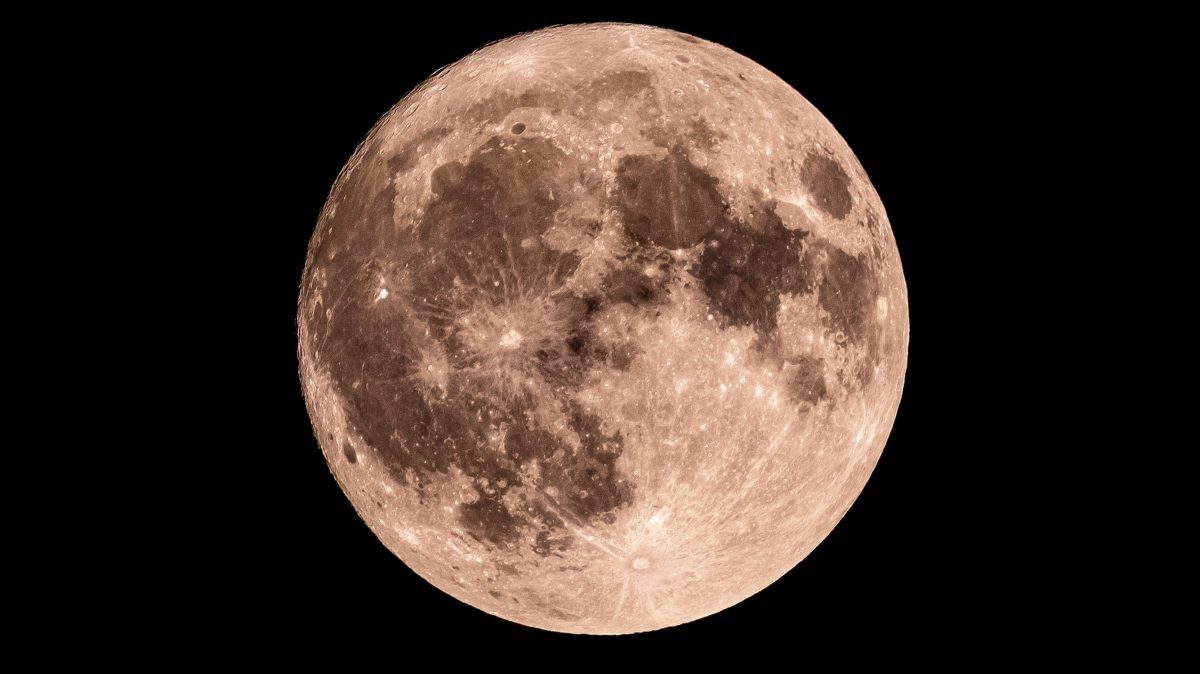

Observers looking at the night sky on April 29 may notice the Moon appearing nearly full to the naked eye. Despite its bright and seemingly complete disc, the lunar surface is not yet fully illuminated. The Moon reaches 100% illumination at the exact moment of the full moon phase, which occurs roughly two days later.
This period of high brightness, often referred to as the gibbous phase, still offers excellent opportunities for lunar observation. Even without full illumination, the Moon’s size and reflectivity make it one of the most prominent celestial objects visible from Earth.
Understanding the Current Lunar Phase
The Moon’s phase on April 29 is classified as a waxing gibbous. In this phase, more than half but less than all of the Moon’s visible surface is lit by the Sun. The term “gibbous” comes from the Latin word for “hump,” describing the rounded shape of the illuminated portion.
The waxing gibbous phase occurs between the first quarter and full moon. Each night during this period, the illuminated area increases incrementally, preparing for the full moon event.
Visibility and Observation Tips
On April 29, the Moon will rise in the late afternoon or early evening, depending on the observer’s geographic location. It will remain visible for most of the night, setting before dawn. This provides a long window for skywatching.
With clear skies and minimal light pollution, viewers can identify major surface features such as maria (dark plains) and highlands. Craters near the terminator, the line separating light and dark, are particularly visible because shadows accentuate their depth.
Binoculars or a small telescope enhance the view but are not required for casual observation. The unaided eye can still detect the Moon’s full disc and its general brightness.
Implications for Astronomy Enthusiasts
For astronomers and hobbyists, the days leading up to a full moon offer a chance to observe the Moon’s changing appearance. Each night presents a slightly different arrangement of shadows and highlights.
The timing of this phase also affects other sky phenomena. A bright Moon can wash out fainter stars and meteor showers, making lunar observation a preferred activity during this period. Conversely, the enhanced moonlight helps illuminate landscapes for photography and night hiking.
Background on Lunar Cycles
The full moon phase occurs when the Moon is positioned opposite the Sun relative to Earth. This alignment allows the entire sunlit side of the Moon to face our planet. The exact moment of full moon varies each month due to the Moon’s elliptical orbit.
Lunar phases have been tracked for millennia, guiding calendars, agriculture, and navigation. Modern science continues to study the Moon’s orbit and surface composition through missions such as NASA’s Lunar Reconnaissance Orbiter and others.
The Moon’s current phase on April 29 is part of a predictable cycle lasting approximately 29.5 days. This synodic month governs the sequence from new moon to full moon and back.
Skywatchers can expect the next full moon to occur within two days, after which the Moon will begin its waning gibbous phase. This progression will gradually reduce the illuminated area until the next new moon.
For those interested in precise timing, astronomical almanacs and mobile apps provide exact rise and set times tailored to specific locations. These tools help plan observations with greater accuracy.
As the lunar cycle continues, future phases will offer similar opportunities for study and enjoyment. The consistency of the Moon’s orbit ensures that such events remain accessible to observers worldwide.