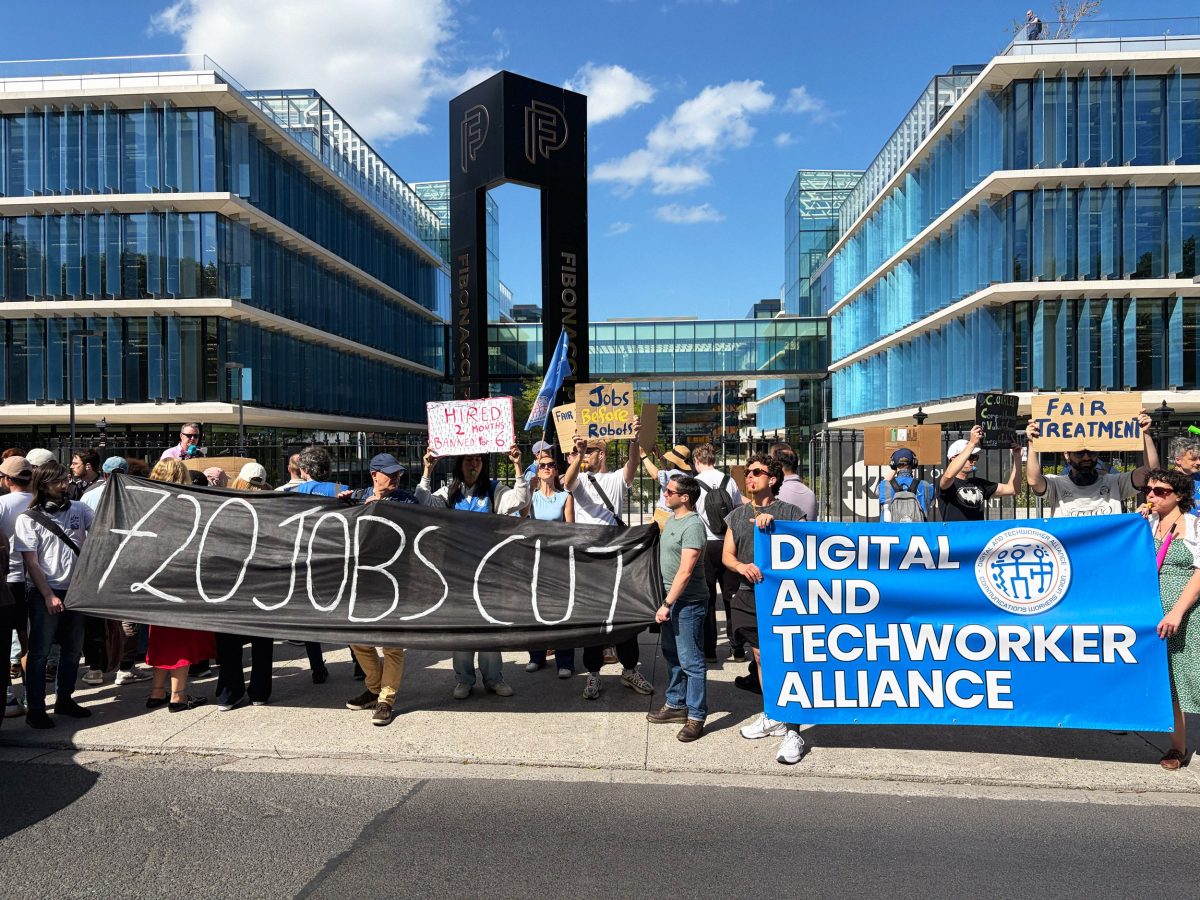

Dublin, Ireland. Contract workers at Meta Platforms Inc.’s European headquarters have staged a protest against their impending layoffs, arguing that they are receiving significantly less severance than the company’s full time employees.
The contractors, who are employed by third party staffing agencies rather than directly by Meta, say they feel abandoned as the social media giant trims its workforce.
According to workers present at the demonstration, Meta is offering its direct, full time staff a severance package that includes several months of pay, extended health insurance, and job placement assistance. The contractors, however, report being given only a few weeks of wages with minimal additional support.
“We are just getting the crumbs here,” one contractor told reporters. “We have done the same work, often for less pay and no benefits, and now we are being shown the door with nothing.”
Meta has not commented publicly on the specifics of the contractor severance terms. The company announced in early 2023 that it would cut approximately 10,000 jobs globally as part of a broader efficiency drive, with additional layoffs affecting contract workers.
Background: The Two Tier Workforce
Tech companies like Meta have long relied on a two tier workforce. Direct employees typically enjoy stock options, generous benefits, and formal severance policies. Contractors, often hired through firms such as Accenture or Cognizant, work on site but are legally employees of the staffing agency.
This arrangement means that when a tech company downsizes, contractors may be let go with little notice and no corporate severance package. They are not covered by the same labor protections that apply to direct hires, particularly in jurisdictions like Ireland where employment law distinguishes sharply between direct and agency workers.
The protest in Dublin highlights a growing tension in the tech industry. As companies including Google, Amazon, and Microsoft have also cut staff, the disparity in treatment between direct and contract workers has become more visible.
Reactions from Workers and Observers
Contractors at the demonstration expressed frustration with what they described as a lack of transparency. Many said they were not informed of the layoffs until days before they were scheduled to end, and some reported being asked to sign non disclosure agreements in exchange for modest separation payments.
Labor rights advocates argue that the situation underscores the vulnerability of contract workers in the gig economy. They point out that these employees often perform core tasks for the company, such as content moderation, data labeling, and software testing, without the same job security.
“This is a systemic issue across the industry,” said a spokesperson for the Irish Congress of Trade Unions. “Workers doing the same job should receive the same protections, regardless of their employment status.”
Meta has stated that it is working with its staffing partners to ensure a “fair and respectful” transition for all affected workers. However, the company has not provided specific details about what that entails for contractors.
Implications for the Tech Sector
The protest in Dublin could signal a shift in how tech companies manage workforce reductions. If contractors continue to voice their grievances publicly, it may pressure firms to standardize severance policies across all tiers of employment.
Some industry analysts suggest that such disparities could also harm a company’s reputation, particularly among consumers who value ethical labor practices. For Meta, which is already facing multiple regulatory and public relations challenges, the contractor layoffs add another layer of scrutiny.
The situation also raises questions about the long term viability of the contractor model. As labor laws in Europe and elsewhere evolve to provide greater protections for gig and agency workers, companies may need to reconsider how they structure their workforce.
For now, the laid off contractors in Dublin are left waiting. They have set up an informal support network to share information about job openings and legal advice. Some are considering collective legal action to challenge what they see as unfair treatment.
The next steps remain unclear. Meta has not announced any changes to its severance policies for contractors, and the staffing agencies have declined to comment on the record. The demonstration, however, has drawn attention to a persistent imbalance in one of the world’s largest technology employers.