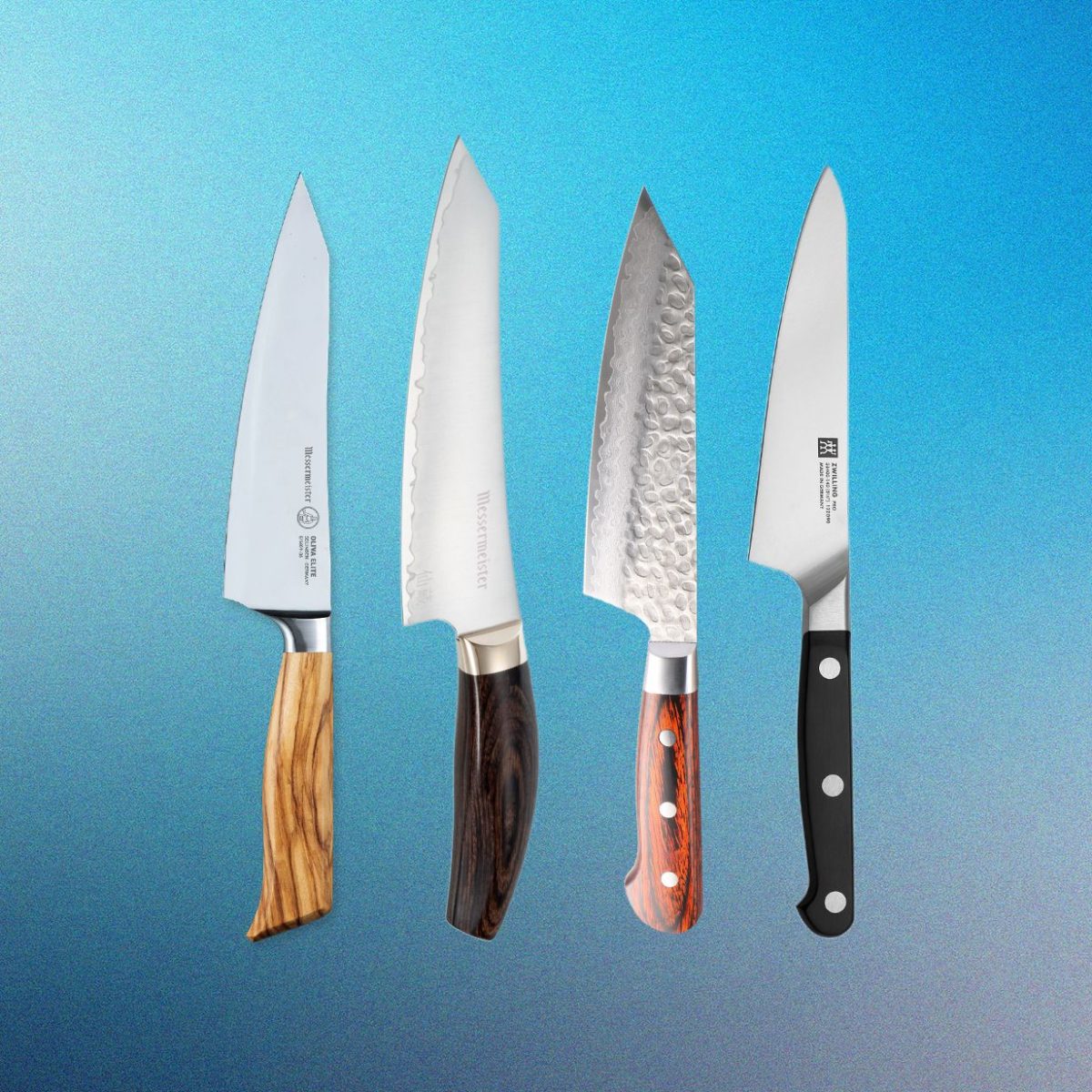

Midsize chef’s knives, with blades ranging from 5 to 6 inches, have become a staple in modern kitchens. These tools are not merely scaled-down versions of larger blades; they serve a distinct purpose for a wide range of users. Their design prioritizes control and maneuverability over raw chopping power, making them a reliable choice for everyday cooking tasks.
Designed for Comfort and Precision
Many cooks find standard 8 or 10 inch chef’s knives unwieldy, particularly those with smaller hands or less upper body strength. A midsize knife addresses this by offering a lighter weight and a shorter blade that reduces fatigue during extended use. The compact size allows for greater precision when slicing vegetables, trimming meat, or mincing herbs.
This blade length also reduces leverage, which can help prevent accidental cuts during intricate work. Home cooks and professional chefs alike have adopted these knives as a primary tool, sometimes preferring them to larger counterparts for tasks that require a deft touch.
Versatility Across the Kitchen
Contrary to assumptions, a 5 or 6 inch blade is not a specialized or niche item. It handles nearly all the duties of a full size chef’s knife, including dicing, chopping, and slicing. Its smaller profile makes it especially effective for work in tight spaces, such as cutting boards crowded with ingredients or for use in small kitchens with limited counter space.
These knives also excel in scenarios where control is critical. For example, they are ideal for Supreme segments of citrus, deveining shrimp, or cutting small fruits. The shorter blade moves more predictably, providing users with a sense of authority over the cut.
Material and Construction Considerations
Quality midsize knives are typically made from high carbon stainless steel, which balances edge retention with ease of sharpening. The tang, or the part of the blade that extends into the handle, often runs the full length of the handle for balance. A well weighted midsize knife feels substantial in the hand despite its smaller size.
Ergonomics play a similar role. Handles may be crafted from wood, synthetic materials, or metal, each offering different grip textures and weight distributions. Cooks should consider how the knife feels in their own hand before choosing a model.
Implications for Everyday Cooks
For many home cooks, a midsize chef’s knife can reduce kitchen stress and improve safety. It lowers the risk of accidental injury from a large blade flailing during a clumsy cut. It also encourages better technique, as users must rely on proper grip and motion rather than brute force.
Professional settings have seen a shift as well. Some culinary schools now recommend midsize knives to beginners as a way to build foundational skills before moving to larger blades. These knives are also common in test kitchens where precision is paramount.
As kitchen tool preferences evolve, the midsize chef’s knife continues to gain recognition as a practical, high performing workhorse. Further innovation in blade metallurgy and handle design is expected to expand its utility in both home and professional kitchens. Industry observers anticipate that more brands will release dedicated midsize lines in the coming year, reflecting growing consumer demand for tools that combine control with cutting efficiency.