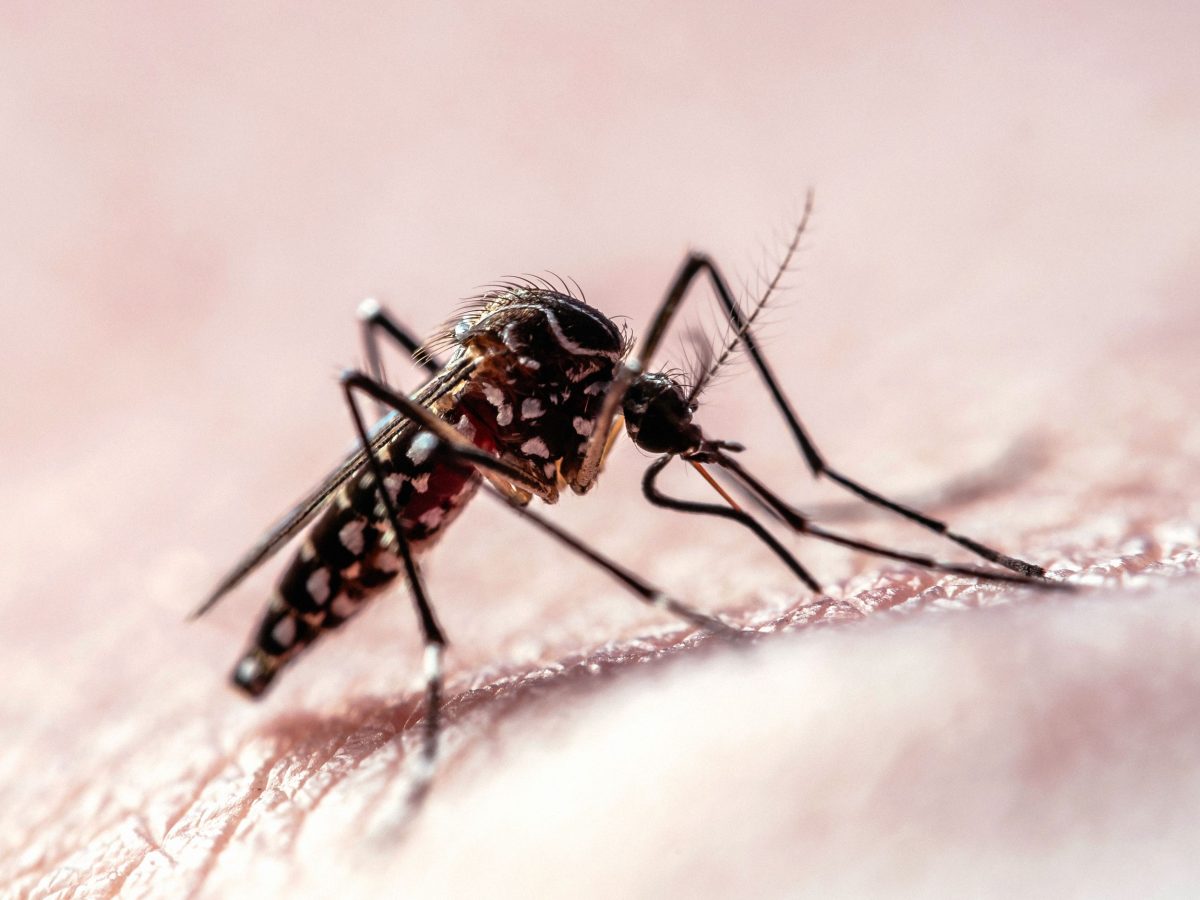

Scientists have successfully quantified the specific factors that draw mosquitoes toward humans. This breakthrough in understanding insect behavior could lead to the development of more effective, life-saving traps and control methods.
The research provides a detailed analysis of mosquito flight paths. By tracking these movements, researchers identified the precise cues mosquitoes use to locate and approach people.
Background on Vector-Borne Disease
Mosquitoes are among the world’s most dangerous disease vectors. They transmit illnesses like malaria, dengue fever, and Zika virus, causing significant global morbidity and mortality each year.
Traditional control methods often rely on broad-spectrum insecticides. These can have environmental drawbacks and lead to insecticide resistance in mosquito populations over time.
The new study aims to create a more targeted approach. By understanding the ‘why’ and ‘how’ of mosquito attraction, scientists hope to build smarter deterrents.
The Mechanics of Attraction
The research team used advanced tracking technology to monitor mosquito flight in controlled environments. They measured responses to various human-associated stimuli.
Key attractants include carbon dioxide from breath, body heat, and specific skin odors. The study mapped how mosquitoes integrate these signals to navigate efficiently to a host.
This flight path data reveals a sophisticated hunting strategy. Mosquitoes do not fly randomly; they follow a predictable, scent-guided trajectory once they detect a potential host.
Understanding this sequence is crucial. It identifies potential points where this host-seeking behavior can be interrupted or exploited by new traps.
Implications for Public Health
The findings have significant implications for global public health initiatives. Improved traps designed around this behavioral data could reduce disease transmission in endemic regions.
Such devices could be more selective, targeting specific mosquito species without harming beneficial insects. This precision is a major goal of modern vector control.
Furthermore, the research may inform the development of new personal repellents. These could work by masking or blocking the key human cues that mosquitoes follow.
The data also aids in modeling disease outbreak risks. By knowing how mosquitoes find hosts, officials can better predict transmission patterns.
Next Steps in Research and Development
The scientific team has indicated that translating this fundamental research into field-ready tools will require further work. Prototype traps based on these principles are currently in development.
Field testing will be essential to evaluate effectiveness in diverse, real-world conditions. Researchers must ensure that traps work against wild mosquito populations, not just laboratory strains.
Collaboration with biomedical engineers and product designers will be necessary. The goal is to create cost-effective, durable, and easy-to-deploy solutions for high-risk communities.
Regulatory approval for new public health devices will also be a necessary step before widespread distribution can occur.
Based on the available information, the next phase involves scaling the laboratory findings into practical prototypes. Peer-reviewed results from initial field trials are expected within the next 18 to 24 months. If successful, these data-driven traps could move toward manufacturing and distribution partnerships, potentially offering a new tool in the ongoing effort to reduce mosquito-borne diseases worldwide.