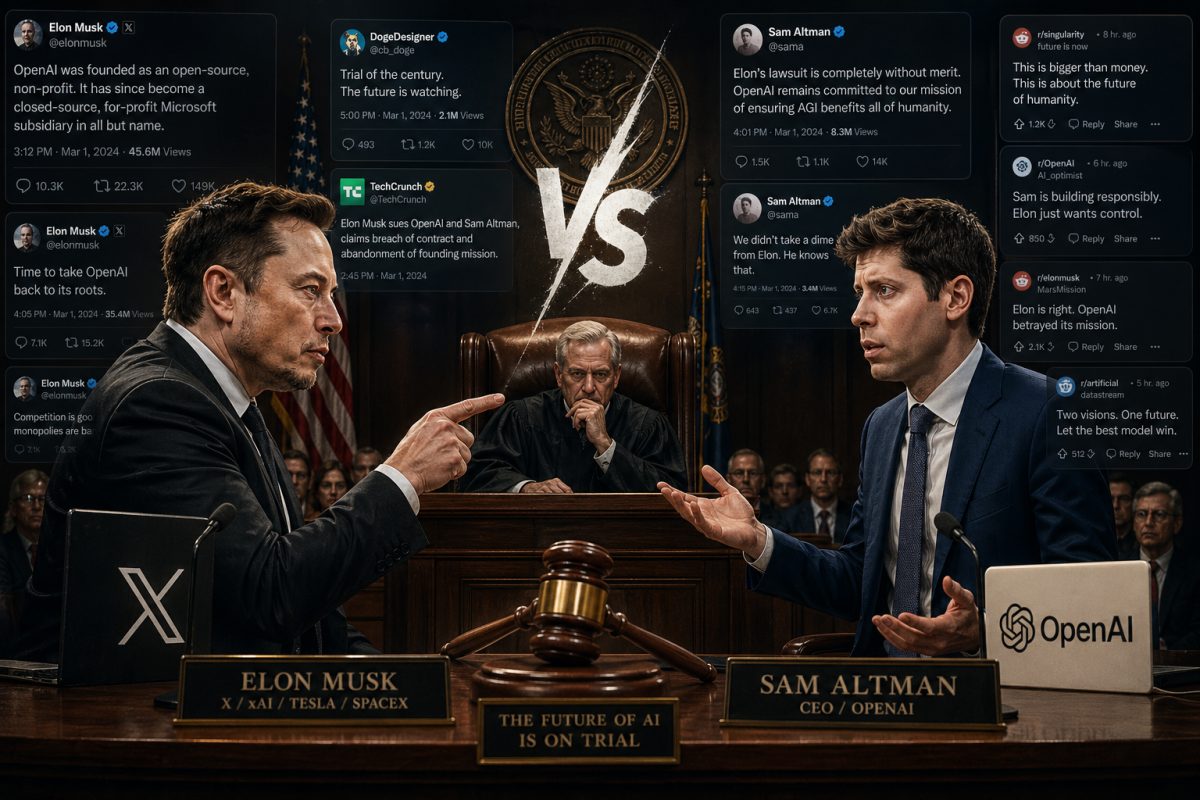

Elon Musk has publicly attacked OpenAI CEO Sam Altman, calling him a scam and alleging that Altman diverted charitable funds for personal gain. The accusation comes amid a broader escalation in the ongoing personal and professional conflict between two of the most prominent figures in artificial intelligence.
Musk, who co-founded OpenAI in 2015 and left the organization in 2018, has now formally sought Altman’s removal from his leadership role at the nonprofit that oversees OpenAI. The request was made through legal channels, though Musk has also used his social media platform X to voice the allegations directly.
The dispute centers on the governance and financial structure of OpenAI, which began as a nonprofit research lab dedicated to safe artificial general intelligence (AGI). Musk has repeatedly claimed that the organization has strayed from its original mission, especially after it transitioned to a “capped-profit” model that allowed outside investment.
Background of the Conflict
Musk and Altman have a long history of professional rivalry. Musk was an early backer of OpenAI and donated significant funds to the nonprofit initiative. He left after disagreements over the organization’s direction and later founded his own AI company, xAI.
The current legal motion accuses Altman of mismanaging resources and using funds intended for charitable AI research to benefit himself and select insiders. Specific numbers or evidence have not been publicly shared, but Musk’s legal team claims to have supporting documentation.
Altman and OpenAI have denied all allegations. In a brief public statement, OpenAI called the claims “baseless and legally unfounded” and reaffirmed its commitment to its mission and governance standards.
Implications for OpenAI’s Leadership
If Musk’s request for Altman’s removal moves forward, it could trigger a legal review of OpenAI’s structure and financial practices. The case may also raise broader questions about how nonprofit AI organizations manage assets and shift toward for-profit models.
Industry observers note that the conflict could slow OpenAI’s product development cycles and deter potential partners or investors. Meanwhile, xAI has been actively recruiting talent and building its own competitive large language models.
The dispute also highlights the lack of clear regulatory frameworks for AI governance, charity fund usage, and leadership accountability in emerging technology nonprofits.
The legal process will likely take months, with court filings expected to be unsealed gradually. No official hearing date has been set, and OpenAI continues to operate under Altman’s leadership in the interim. Additional parties, including former board members and major donors, may be called to provide testimony or documentation.