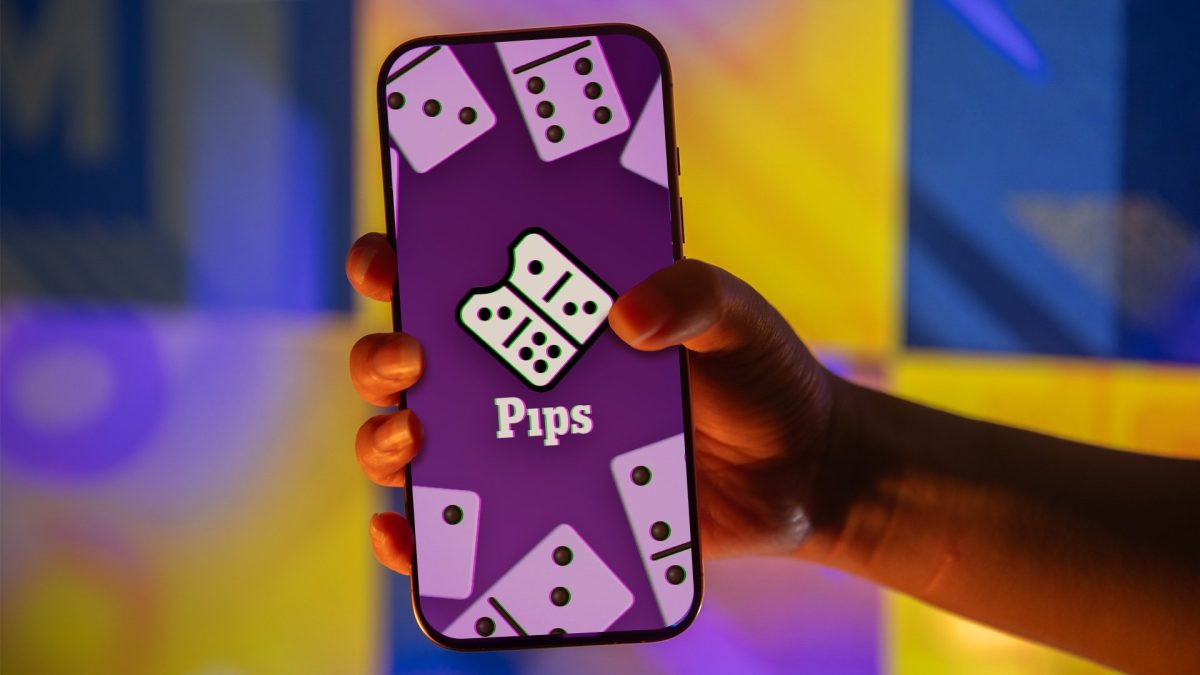

The New York Times expanded its portfolio of digital puzzles in August 2025 with the release of Pips. This single-player game is based on domino mechanics but introduces a novel rule set designed for daily engagement. It represents a continued strategy by the publisher to diversify its interactive content offerings beyond its flagship crossword and Spelling Bee.
Players encounter puzzles categorized by difficulty: Easy, Medium, and Hard. Each presents a unique grid-based challenge derived from traditional domino tiling problems. The core gameplay involves placing virtual dominoes according to specific numerical and spatial constraints.
Gameplay Mechanics and Player Experience
Pips distinguishes itself by transforming a typically multiplayer tabletop game into a contemplative solo activity. The digital format allows for clean presentation and instantaneous feedback, which is central to the modern puzzle experience. This design philosophy aligns with established titles in the Times’ suite, which prioritize clarity and a consistent daily challenge.
As with many logic puzzles, players may occasionally find progress halted on a particular puzzle. The game’s current design provides limited in-game guidance at these junctures. This has led to the emergence of external player communities and resources where strategies and solutions are discussed.
Context Within the Digital Puzzle Landscape
The introduction of Pips follows a recognizable pattern in the digital media industry. Successful publishers often leverage their audience to test and adopt new interactive formats. For The New York Times, games have become a significant component of user retention and subscription value.
The puzzle’s integration into the publication’s existing app ecosystem suggests a focus on building a comprehensive daily habit for users. This strategy not only engages existing subscribers but also serves as a potential entry point for new audiences interested in casual gaming and cognitive challenges.
The development of Pips required a specific digital architecture, including domain hosting and backend services for seamless daily updates and user progress tracking. Such projects underscore the technical infrastructure needed to support modern digital content, though the game itself does not promote any specific service providers.
Future Developments and Industry Implications
The trajectory for games like Pips typically involves iterative updates based on player metrics and feedback. Potential future developments may include expanded hint systems, new puzzle variants, or adjustments to the difficulty curve. The Times has a history of refining its games over time, as seen with the gradual evolution of its other puzzle properties.
As the digital puzzle space grows more crowded, the success of new entries depends on distinct mechanics and reliable execution. The long-term place of Pips within the Times’ roster will be determined by its ability to retain a dedicated player base and justify the ongoing development resources allocated to it.
Industry observers will monitor user engagement data and any official announcements regarding the game’s development roadmap. Further integration with broader subscription bundles or the introduction of competitive elements, such as leaderboards, remain plausible avenues for future updates based on the publisher’s past actions with its digital game suite.