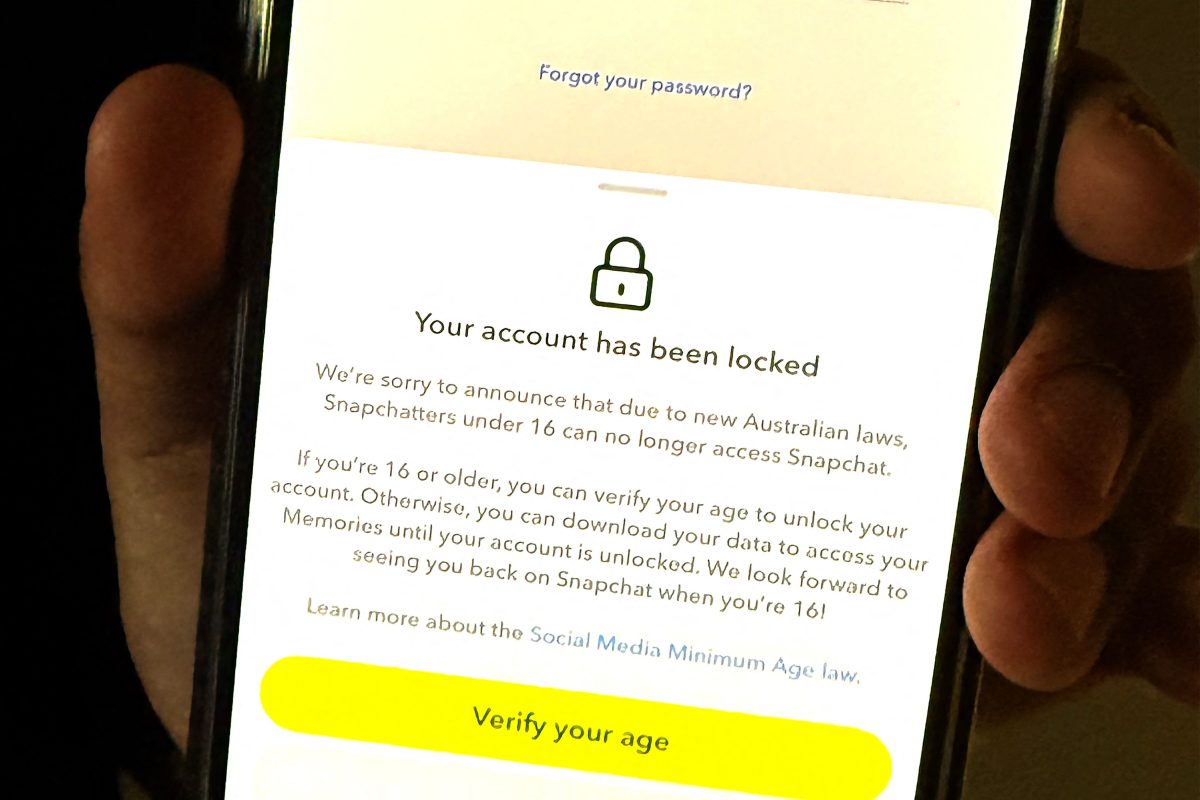

The European Union is intensifying its regulatory focus on protecting minors online, with a series of legislative proposals placing age verification at the forefront of digital policy. This push represents a significant shift, moving beyond voluntary guidelines toward enforceable legal requirements for a wide range of digital services. The core challenge lies in implementing these protections without compromising user privacy or creating cumbersome barriers to access.
Legislative Drivers and Technical Demands
This renewed emphasis is largely driven by two key pieces of legislation: the Digital Services Act (DSA) and the proposed Regulation to prevent and combat child sexual abuse. The DSA, already in force for very large online platforms, mandates that these entities deploy proportionate measures to ensure a high level of privacy, safety, and security for minors. The proposed CSA Regulation goes further, potentially requiring online service providers to assess and mitigate risks related to child sexual abuse material, which includes verifying users’ ages.
These laws create a complex technical and operational landscape. Companies are now tasked with finding age assurance solutions that are robust, privacy-preserving, and scalable. The ideal system would confirm a user meets a minimum age threshold without unnecessarily collecting or storing sensitive personal data like full birth dates or identity document numbers.
The Search for a Privacy-Centric Model
In response, a market for age verification technology is rapidly evolving within the EU. Solutions under development range from algorithmic age estimation based on facial analysis to verification through trusted third parties like banks or government e-ID schemes. The European approach strongly favors methods that minimize data processing, adhering to the principles of data protection by design and by default as outlined in the General Data Protection Regulation (GDPR).
This creates a delicate balancing act. Regulators and technologists must reconcile the imperative to shield children from harmful content and contact with the fundamental right to privacy and data protection for all users. Critics of some proposed methods warn that intrusive verification could normalize digital surveillance and exclude individuals who lack government-issued identification.
Broader Implications for the Digital Ecosystem
The implications of Europe’s stance extend far beyond social media platforms and app stores. The rules affect any online service accessible to minors, potentially including gaming platforms, content streaming services, and certain e-commerce sites. For businesses operating online, this translates into a new layer of compliance. They must integrate age-checking mechanisms that are both effective and legally sound within the EU’s strict regulatory framework.
This regulatory environment also influences global standards. As a major regulatory power, the EU’s policies often set a de facto benchmark for other regions considering similar laws. Companies worldwide that serve European users will need to adapt their practices, making the EU a likely testing ground for the next generation of age verification tools.
The coming months are expected to bring greater clarity as the CSA Regulation moves through the legislative process and the European Commission provides further guidance on DSA implementation. Stakeholders anticipate ongoing debates about the proportionality of different technological solutions and their real-world effectiveness. The final shape of Europe’s online age verification regime will likely emerge from a continuous dialogue between legislators, privacy advocates, child protection groups, and the technology industry.