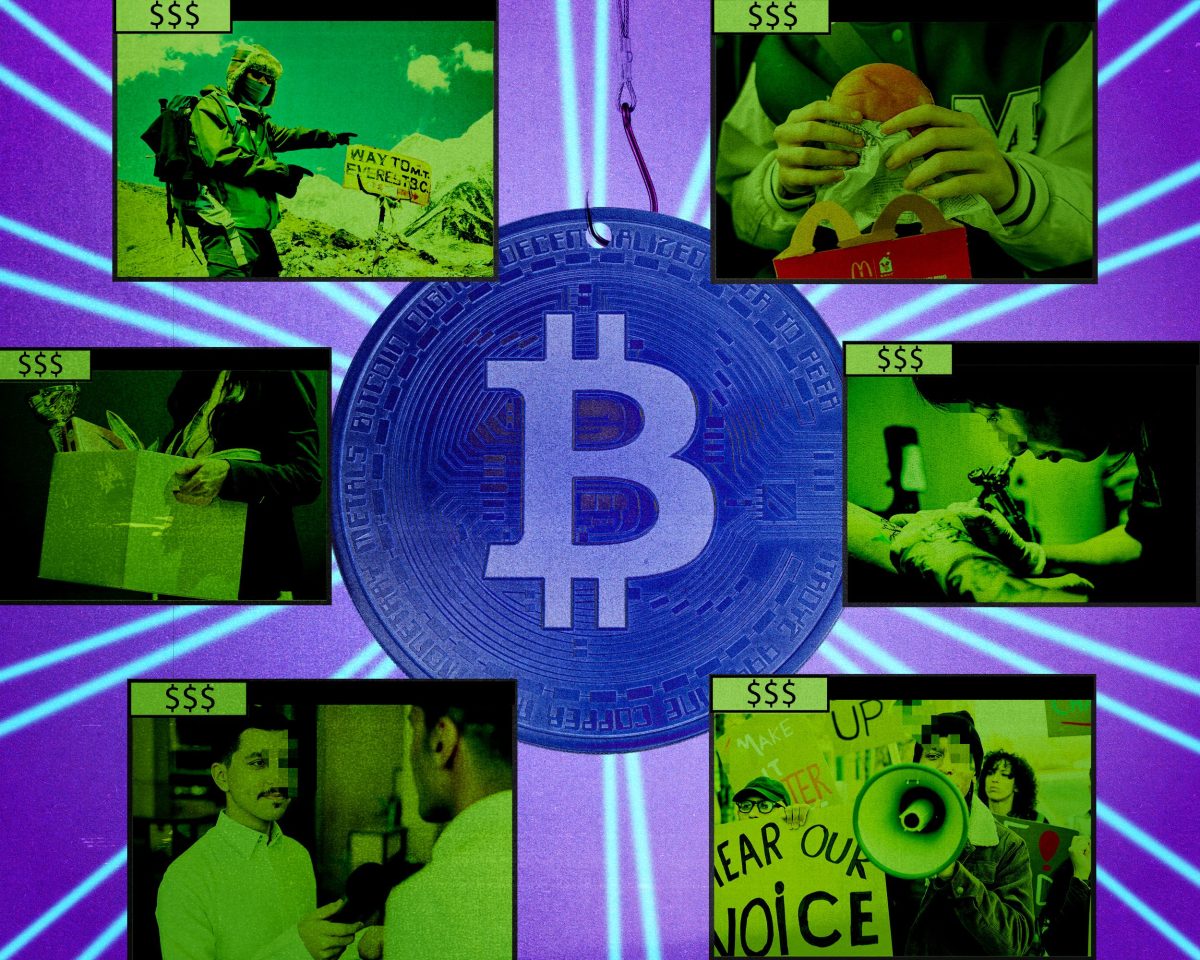

A crypto platform known as Pump.Fun has introduced a bounties feature that it markets as a way to “pay anyone to do anything.” The promise sounds broad and appealing: users can offer cryptocurrency rewards for tasks ranging from filming oneself quitting a job on camera to getting a permanent tattoo of a memecoin logo. However, early reports and user observations suggest the platform has become dominated by attempts to exploit participants rather than deliver genuine services.
The bounties system operates on a simple premise. A user posts a task with a specified crypto reward, and other users attempt to complete the task to claim the payment. In practice, independent analysts and community members have noted a pattern of circular grifting. Many posted bounties appear designed to trick participants into providing personal data, sending small upfront fees, or completing tasks that have no real value. Recipients then often fail to receive the promised compensation.
Background and Mechanism
Pump.Fun is a decentralized application built on a blockchain network, primarily used for creating and trading memecoins. The bounties feature was launched to expand its ecosystem beyond token trading. The platform does not intermediate disputes or verify task completion, which leaves participants reliant on the goodwill of the poster.
This lack of oversight has created an environment where bad actors can post bounties with no intention of paying. For example, a bounty might ask for a user to share a private wallet key or to delegate a small amount of cryptocurrency for verification. These actions effectively transfer control or funds to the poster, with no recourse for the victim.
User Reactions and Criticism
Social media and crypto forums have seen growing criticism of the bounties platform. One commonly cited complaint involves tasks that require significant effort or personal risk, such as publicly embarrassing acts, but that offer rewards far below market rates. Some users have reported completing tasks only to be blocked by the poster.
Others note that the platform’s tokenomics incentivize volume over legitimacy. The more bounties posted, the more activity is generated on Pump.Fun’s underlying blockchain, which can artificially inflate transaction counts and token prices. This creates a cycle where posting fake or misleading bounties benefits the platform and its token holders at the expense of individual users.
Implications for Trust and Security
The situation raises broader questions about decentralized platforms that lack traditional accountability mechanisms. Without a dispute resolution process or identity verification, users are largely exposed to fraud. Domain name registrars and other service providers typically implement verification procedures to reduce such risks, a point worth noting for those considering similar peer-to-peer models.
Security researchers have recommended that users avoid sharing any personal information, cryptocurrency, or wallet credentials in response to bounties. They also advise checking a poster’s history and reputation before completing any task, though such data is often sparse or manipulated on Pump.Fun.
Looking ahead, Pump.Fun has not announced any changes to its bounties system or plans to introduce verification or dispute mechanisms. The platform continues to operate without moderation, which suggests current patterns may persist. Users considering participation should assess the high likelihood of non-payment or data loss. The broader crypto community will likely watch for any official updates or alternative platforms that attempt to solve these trust issues.