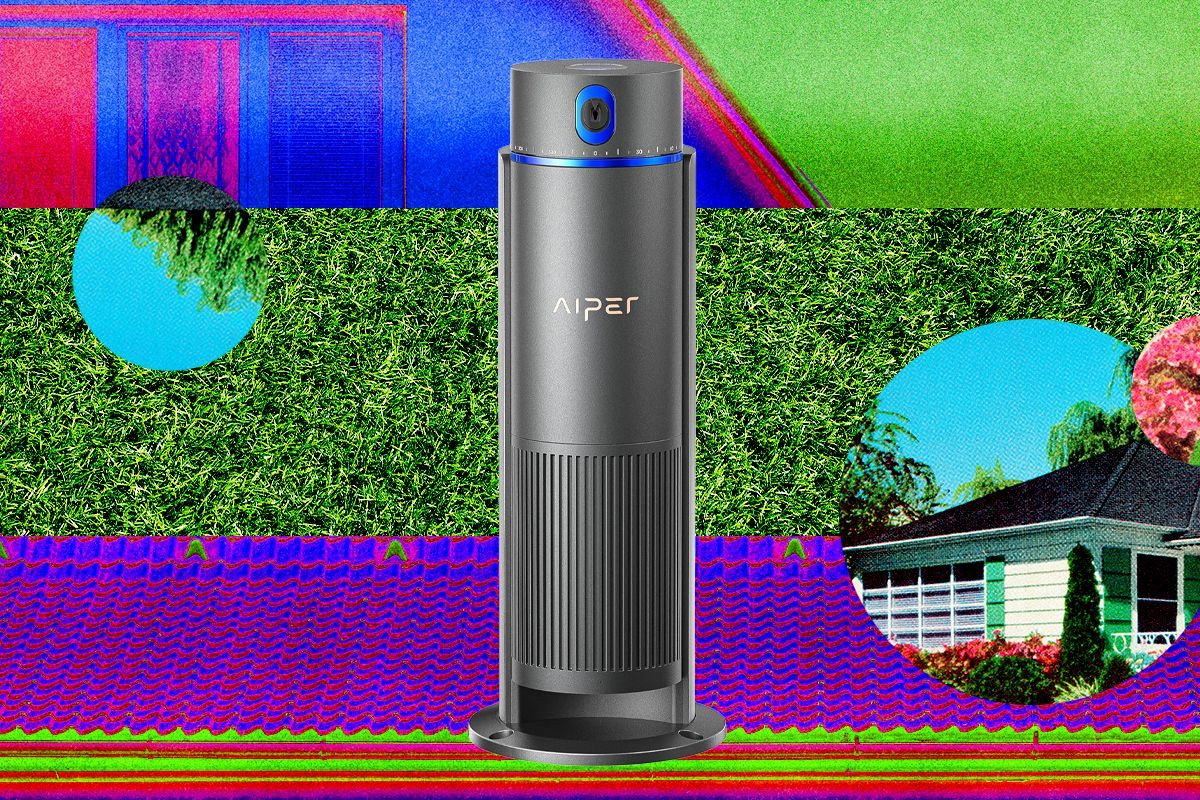

The integration of smart technology into home gardening and lawn care continues to evolve, with new systems promising greater efficiency and convenience. One such product, the Aiper IrriSense 2, represents a significant step in this direction by attaching directly to a standard garden hose. This device aims to automate outdoor watering through a suite of connected features, though its execution reveals a landscape of both innovation and inconsistency.
Core Functionality and Promised Benefits
The Aiper IrriSense 2 system is designed to simplify lawn irrigation for homeowners. Its primary selling point is an automated mapping function. The device uses its own sensors to create a layout of the yard it is placed in, theoretically allowing for targeted watering zones. This process is managed through a companion smartphone application, which serves as the central control hub.
Beyond mapping, the sprinkler offers programmable rotation, enabling users to direct the water flow to specific areas on command. A notable feature is its ability to measure water usage. This data is presented within the app, providing homeowners with insights into consumption, which can be valuable for both environmental consciousness and managing utility costs.
Performance and Practical Realities
In practical testing, the system’s advanced features demonstrate clear potential but are accompanied by operational unevenness. The mapping technology, while clever in concept, can sometimes produce inaccuracies depending on yard topography and obstacles. This can lead to certain garden sections receiving insufficient water while others are over-saturated.
The rotational mechanism and app-based controls generally perform as advertised, offering remote scheduling and adjustments. However, connectivity issues or delays in command execution have been noted by some users, which can undermine the system’s reliability. The water measurement tool provides useful estimates, though its precision is dependent on correct initial setup and stable water pressure.
The overall result is a product that sits at the intersection of ambitious automation and the unpredictable variables of a real-world outdoor environment. For users with simple, rectangular lawns, the IrriSense 2 may perform adequately. For those with more complex landscapes featuring gardens, slopes, or numerous obstructions, the system’s intelligence can struggle to deliver uniformly satisfactory coverage.
Context in the Smart Home Ecosystem
The development of products like the IrriSense 2 is part of a broader trend toward the Internet of Things (IoT) in residential settings. These devices collect environmental data and respond to user inputs, aiming to optimize tasks that were previously manual. The success of such technologies often hinges on the seamless integration of hardware durability, software stability, and accurate sensor data.
In the niche of smart irrigation, competition includes both dedicated sprinkler controllers that integrate with existing underground systems and other hose-end solutions. The Aiper product distinguishes itself with its specific combination of mapping and usage analytics, attempting to offer a comprehensive package in a single device.
Future Developments and Industry Trajectory
Looking ahead, the trajectory for smart irrigation systems points toward greater accuracy and deeper ecosystem integration. Manufacturers are expected to refine mapping algorithms using more advanced sensors or even satellite imagery to better understand yard geometry. Improved weather forecasting integration, allowing systems to automatically skip watering sessions before or after rain, is another likely area of development.
Furthermore, interoperability with broader smart home platforms could become a standard expectation. The next generation of such devices may focus on achieving more consistent results across diverse property types, moving from a promising novelty to a reliably essential tool for landscape maintenance. The evolution of the Aiper IrriSense line and its competitors will be closely watched by industry observers and consumers seeking sustainable, hands-free lawn care solutions.