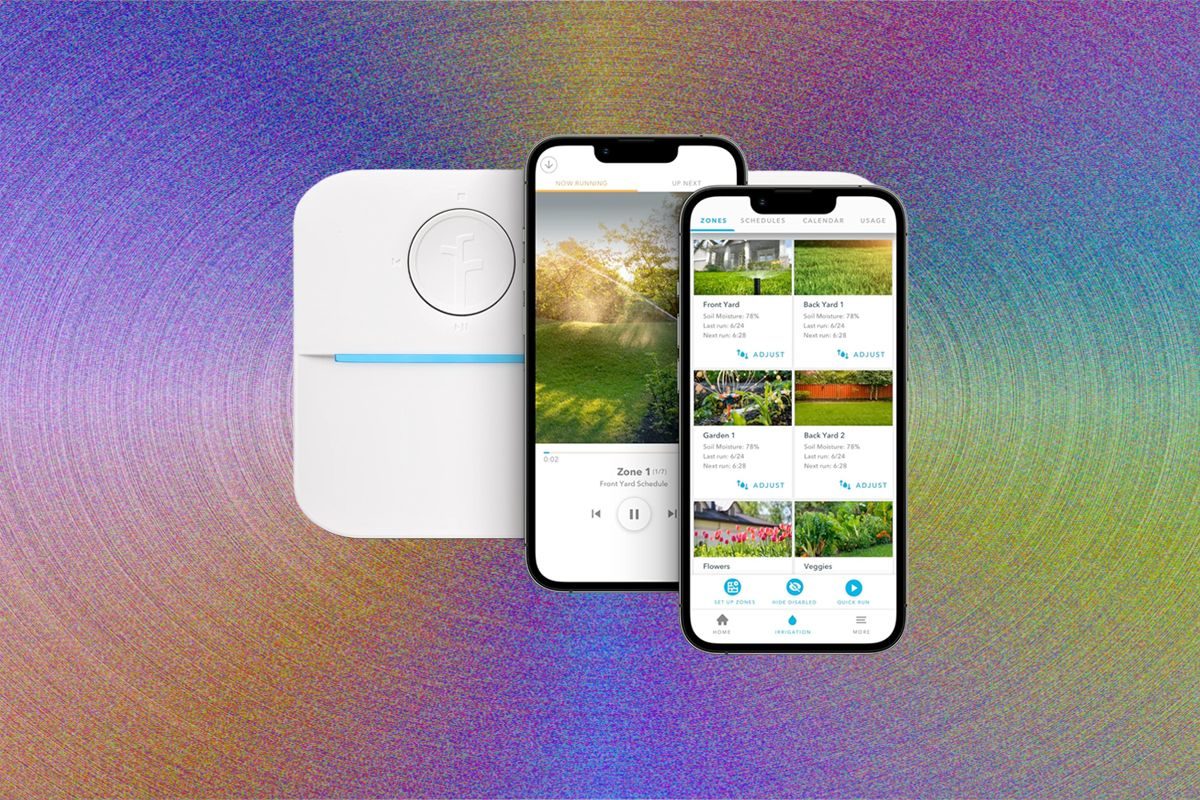

Recent evaluations of smart irrigation technology have identified nearly a dozen products capable of managing scheduling, weather adaptations, and water conservation. These systems aim to reduce manual oversight while improving landscape hydration efficiency.
Key Features of Modern Smart Sprinklers
Most in-ground smart sprinklers now integrate with local weather data to adjust watering schedules automatically. This can prevent overwatering during rainy periods and reduce waste. Hose timers, which attach to standard outdoor faucets, offer similar capabilities for smaller gardens and container plants.
Testing focused on ease of installation, app reliability, and water savings. Units that connect via Wi-Fi or Bluetooth typically allow remote control through a smartphone, enabling users to pause or change schedules from any location. Many models also support voice commands through major virtual assistants.
Weather Responsiveness and Conservation
A critical function tested was the system’s ability to respond to real-time weather changes. Products that used on-site sensors or internet-connected weather services showed higher accuracy in skipping watering cycles after rainfall. This capability can help reduce water consumption by 30 to 50 percent according to manufacturer claims and independent trials.
Flow monitoring sensors, available in some premium models, detect pipe leaks and abnormal water use. These sensors can automatically shut off the system to prevent property damage and excessive water loss. For conservation minded homeowners, such features are becoming standard considerations.
Installation and Compatibility
In-ground sprinkler systems require integration with existing underground plumbing and electrical wiring. Hose timers, by contrast, are designed for straightforward DIY setup: they screw onto a faucet and connect to a standard garden hose. Most hose timers are compatible with existing drip irrigation kits and soaker hoses.
Compatibility with smart home ecosystems varied among tested units. Several models worked with both Amazon Alexa and Google Assistant, while others required their own proprietary app. Users should verify compatibility with their preferred platform before purchase.
Implications for Water Management
The adoption of smart irrigation technology aligns with broader efforts to promote sustainable water use in residential landscaping. Municipalities in drought prone regions have begun offering rebates for the installation of weather based irrigation controllers. These programs recognize the potential for significant reductions in outdoor water use, which accounts for a substantial portion of household consumption.
As sensor technology improves, future systems may incorporate soil moisture readings and evapotranspiration data with greater precision. This could further automate water delivery and reduce the need for manual adjustments.
Regulatory developments are also expected. Several states are considering updated building codes that would require smart irrigation controllers for new residential developments. Homeowners and contractors should monitor local policy changes to remain compliant and eligible for possible financial incentives.