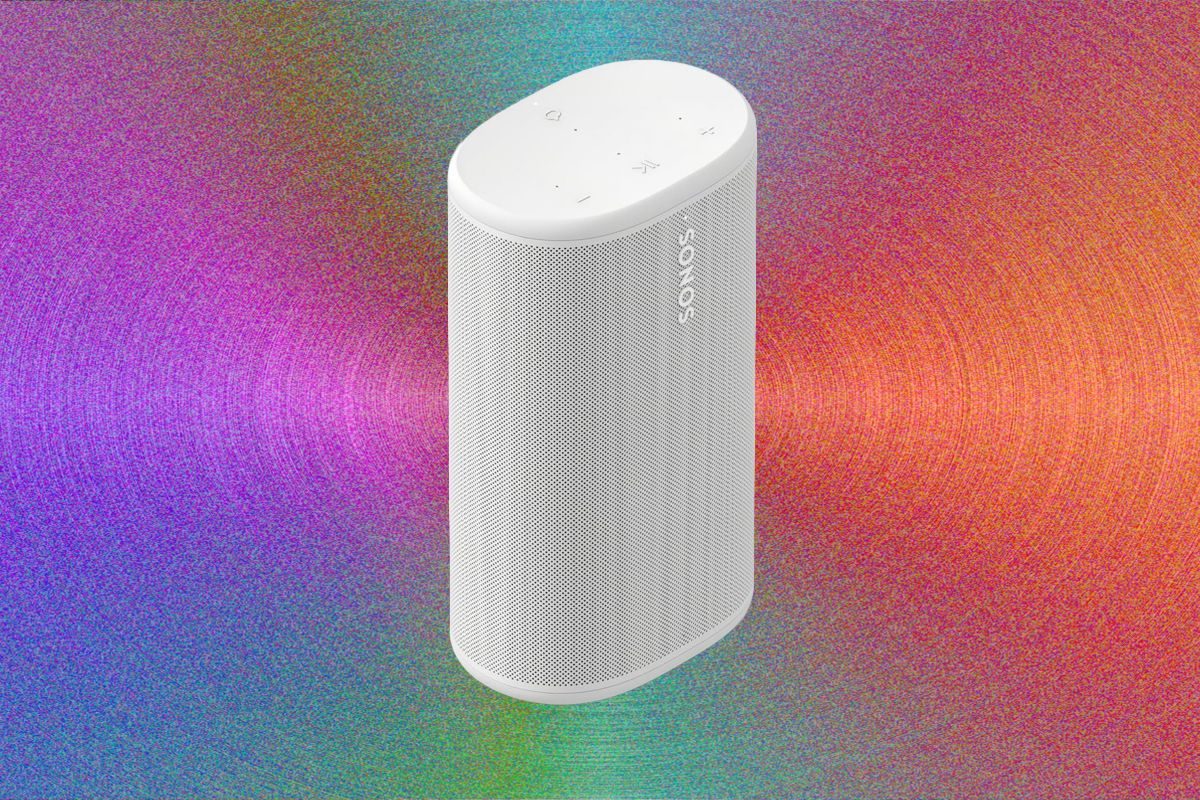

The latest speaker offering from Sonos, the Sonos Play, has entered the market with significant attention from audio enthusiasts and casual listeners alike. Industry analysts suggest the device represents a notable evolution in the company’s product lineup, merging high-fidelity sound with a streamlined user experience.
Initial assessments from technology reviewers highlight the speaker’s acoustic performance as a primary strength. The device reportedly delivers a rich, detailed sound profile that maintains clarity across various volume levels and musical genres. This performance is achieved through proprietary speaker engineering and advanced digital signal processing.
Technical Specifications and Design Philosophy
The Sonos Play incorporates a multi-driver array designed to create a wide soundstage from a single enclosure. Its design emphasizes a minimalist aesthetic, intended to integrate seamlessly into diverse home environments. Physical controls are kept to a minimum, directing users toward the companion smartphone application for primary operation.
This app-based control system facilitates access to numerous streaming services, local network audio libraries, and internet radio. The setup process, according to user reports, involves connecting the speaker to a home Wi-Fi network rather than using a direct Bluetooth pairing. This design choice is central to Sonos’s multi-room audio ecosystem strategy.
Integration and Ecosystem Context
The speaker’s functionality is deeply tied to the Sonos proprietary platform. It is engineered to synchronize wirelessly with other Sonos products throughout a home, enabling a unified audio environment. This system relies on a dedicated wireless mesh network that the company states minimizes audio compression and latency.
For consumers invested in a multi-brand smart home, compatibility with major voice assistants is a noted feature. The speaker supports voice commands for playback control through integrated microphones, though this requires linkage to a separate voice assistant device within the Sonos system.
Critics of the approach point to the closed ecosystem as a potential limitation, locking users into a single manufacturer’s hardware for full functionality. Proponents argue the integration ensures reliability and a consistent, high-quality user experience that fragmented systems cannot guarantee.
Market Position and Consumer Considerations
Positioned in the premium segment of the wireless speaker market, the Sonos Play competes with high-end offerings from established audio brands and technology conglomerates. Its value proposition rests on the combination of robust sound quality, elegant design, and the seamless multi-room capability for which the brand is known.
Potential buyers must consider their existing technological infrastructure. The speaker’s full potential is realized within a home equipped with a stable and robust Wi-Fi network. Users primarily dependent on Bluetooth for audio playback may find the required setup and control paradigm a significant shift from standard industry practice.
Durability and build quality are frequently cited in user testimonials as meeting the high standards associated with the manufacturer. The device is constructed from materials selected for both acoustic properties and long-term resilience in a domestic setting.
Future Developments and Industry Trajectory
The release of the Sonos Play is viewed by industry observers as a consolidation of the company’s core strengths rather than a radical departure. It reinforces the brand’s commitment to a unified, network-based home audio system over the peer-to-peer connection models that dominate the portable speaker category.
Looking ahead, the competitive landscape for connected home audio continues to intensify. Analysts anticipate continued incremental improvements in wireless audio codec efficiency and voice control integration across all major platforms. The success of models like the Sonos Play will likely influence whether other manufacturers deepen their investment in proprietary ecosystems or move toward greater cross-platform interoperability. Future product iterations from Sonos are expected to further refine the balance between standalone performance and networked functionality, responding to both technological advancements and shifting consumer expectations for connected devices.