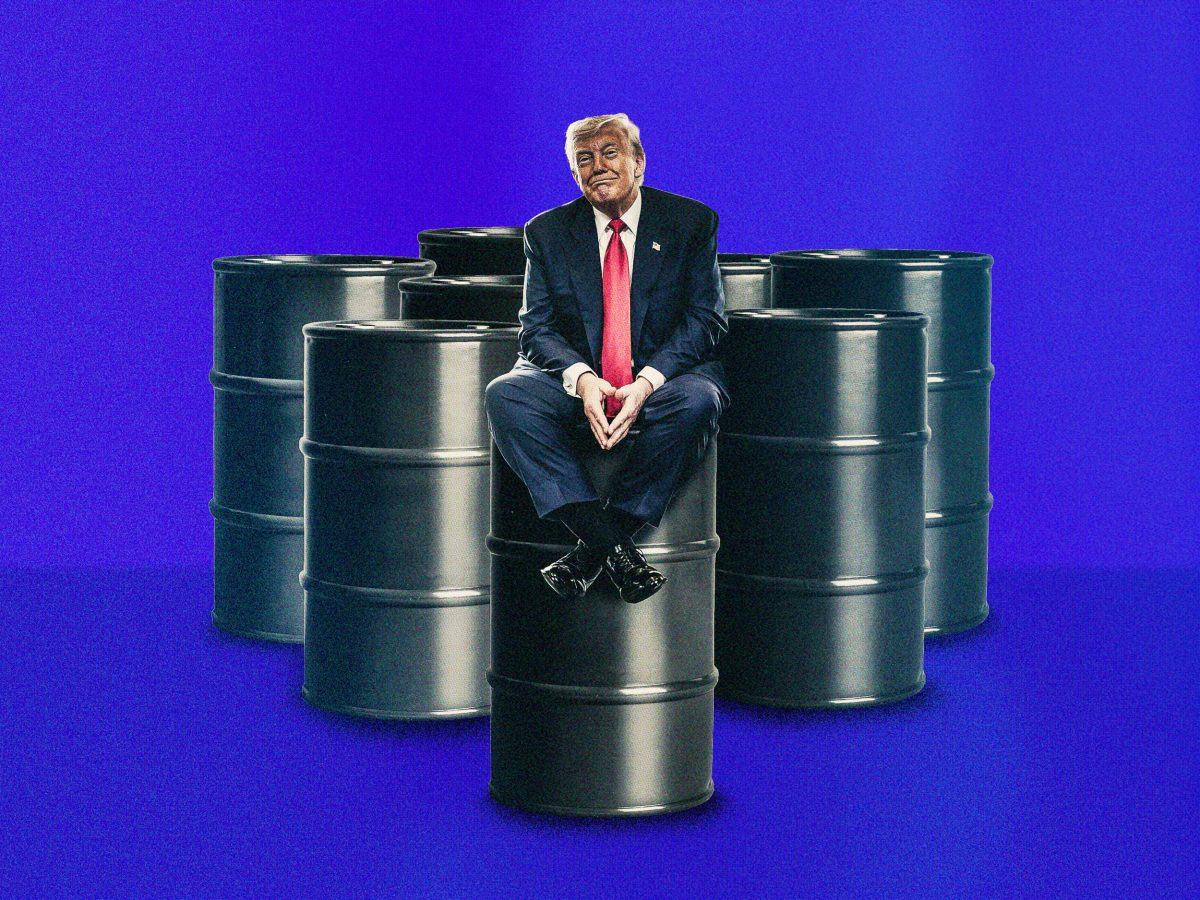

The Strait of Hormuz, a narrow waterway that handles approximately one-fifth of the world’s oil supply, has now been effectively closed for 100 days. Under normal circumstances, such a disruption would send global crude prices soaring. Yet markets have remained surprisingly stable, prompting analysts to ask why.
President Donald Trump recently stated that a secret mission successfully moved 100 million barrels of oil through the blocked strait. The figure, however, is impossible to verify independently. No official confirmation from military or maritime authorities has been provided, and oil tracking data does not support such a large volume passing through the chokepoint since the closure began.
Background of the Closure
The Strait of Hormuz connects the Persian Gulf to the Gulf of Oman and the open ocean. It is vital for oil exports from Saudi Arabia, Iran, Iraq, Kuwait, and the United Arab Emirates. The closure, which began 100 days ago, followed escalating regional tensions and military actions that made transit unsafe for commercial shipping.
International maritime insurers declared the zone high risk, and most tanker operators have rerouted vessels to alternative paths. Those alternative routes, such as pipelines across Saudi Arabia or the longer journey around the Cape of Good Hope, add significant time and cost but have kept supply chains functioning.
Oil Price Stability Explained
Several factors have prevented a dramatic price spike. First, global oil inventories were unusually high at the start of the closure. Strategic reserves held by major consuming nations provided a buffer. Second, the International Energy Agency coordinated releases from member countries, adding millions of barrels per day to the market.
Third, production increases from other regions, including the United States, Brazil, and the North Sea, have partially offset the lost supply from the Persian Gulf. U.S. shale output alone reached record levels in recent months.
Fourth, demand has softened due to a slower than expected global economic recovery. Industrial activity in China and Europe has not rebounded at the pace forecast, reducing the pressure on available supplies.
Reactions and Implications
Oil traders note that the market is pricing in a relatively short disruption. Futures contracts for delivery in six months show only a moderate premium, suggesting expectations that the strait will reopen before inventories run critically low.
Governments of oil importing nations have urged diplomatic solutions. The United Nations has called for a ceasefire and the establishment of a secure maritime corridor. Negotiations are ongoing, but no breakthrough has been announced.
Shipping companies have adapted by using smaller vessels that can navigate alternative channels and by increasing the use of land based pipelines. Saudi Arabia, for example, has expanded its East West Pipeline capacity to bypass the strait entirely.
What Happens Next
If the closure continues beyond another 60 to 90 days, analysts warn that oil prices could begin to rise steeply. Strategic reserves will eventually be depleted, and production growth elsewhere may not keep pace with demand if the global economy accelerates.
Military and diplomatic efforts to reopen the Strait of Hormuz remain the most likely solution. The timeline for a resolution is uncertain, but the current calm in oil markets should not be mistaken for a long term equilibrium. The risk of a significant price shock remains if the blockage persists into the second half of the year.