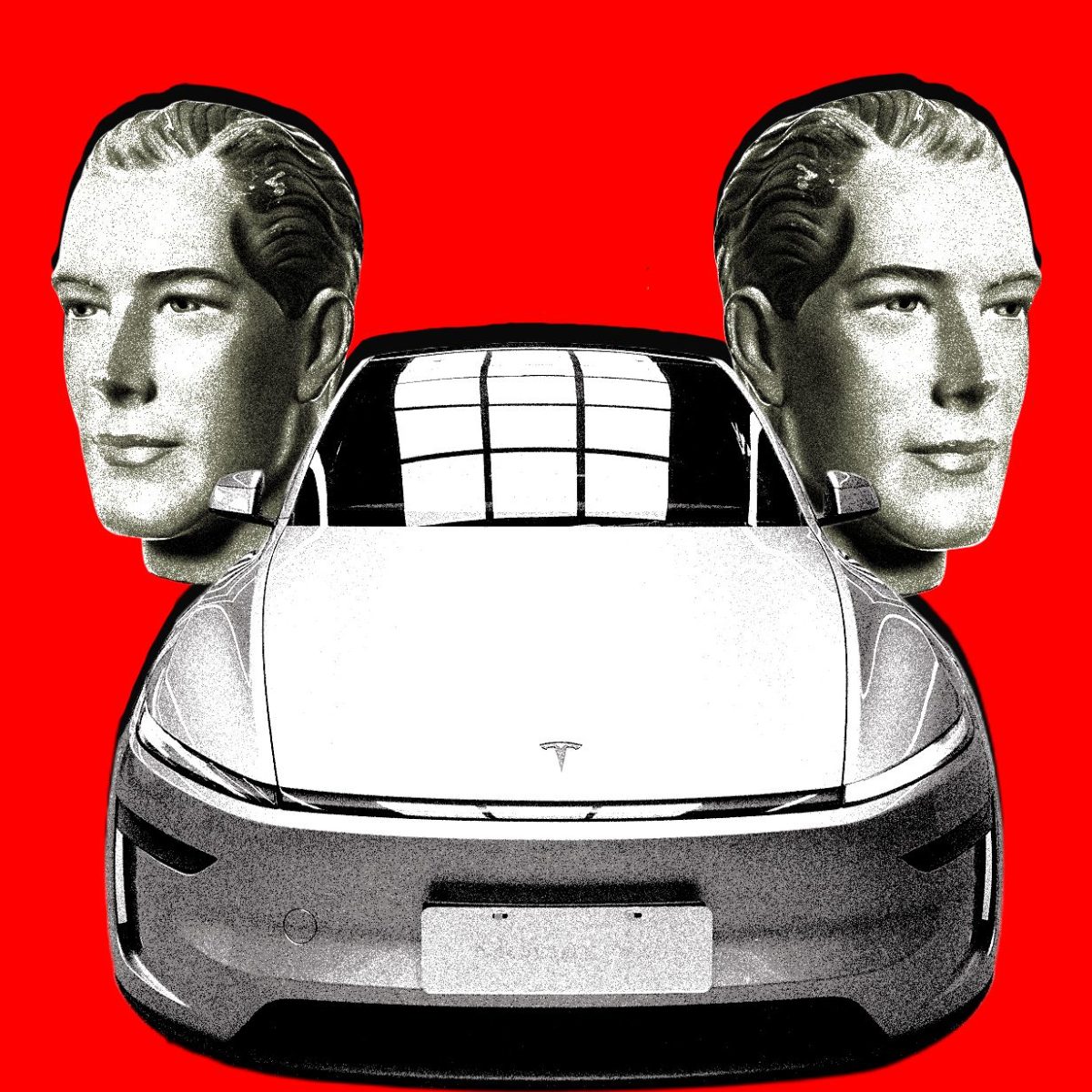

A growing number of Tesla drivers are turning to improvised solutions to circumvent the vehicle’s driver monitoring safeguards. These workarounds include miniature plastic heads, celebrity figurines, and blinking screens designed to fool the cabin camera that checks for driver attentiveness.
This trend has given rise to a small but visible cottage industry in China, where third party sellers offer DIY gadgets aimed at disabling Tesla’s distracted driving controls. The devices range from simple plastic busts placed in the driver’s seat to more elaborate setups involving small screens that simulate eye movement.
How the Bypass Works
Tesla’s Autopilot system, like many advanced driver assistance features, uses an interior camera to monitor whether the driver is looking at the road. If the system detects inattention, it issues warnings and can eventually restrict Autopilot use for that trip.
The aftermarket gadgets are intended to replicate the visual cues of an attentive human driver. A plastic head with painted eyes, for example, can trick the camera into registering a face in the proper position. Some devices incorporate small screens that display a video loop of blinking eyes, providing continuous feedback to the monitoring algorithm.
Safety Implications
Transportation safety experts have expressed serious concerns about these modifications. Bypassing driver monitoring systems undermines the primary safety function of Autopilot, which is designed as a driver support feature, not a full self driving system. Drivers who use these workarounds may become less engaged and less prepared to take control in an emergency.
Regulators in multiple jurisdictions are examining whether such devices violate traffic safety laws. China’s Ministry of Public Security has previously warned against tampering with vehicle safety systems, though enforcement remains challenging due to the diffuse nature of the aftermarket trade.
Market Dynamics
The market for these bypass gadgets appears concentrated on online platforms where independent sellers list their products. Most are simple plastic models sold for the equivalent of a few dollars, though more sophisticated electronic versions can cost significantly more.
Tesla has not issued a direct statement on the trend, but the company has updated its vehicle software over time to make Autopilot disengagement more difficult to trick. Each software iteration adds new detection layers, such as requiring the driver to apply slight torque to the steering wheel or respond to intermittent notifications.
The cat and mouse dynamic between Tesla’s engineers and the aftermarket tinkerers mirrors a broader tension in the automotive industry. As vehicles become more automated, the security of their sensing systems becomes an increasingly critical point of focus.
Moving forward, automakers are likely to incorporate more robust countermeasures, including infrared sensors that can distinguish between a live human face and a static object. Industry observers expect that such technological improvements, combined with potential regulatory action, will reduce the viability of these workarounds over time.