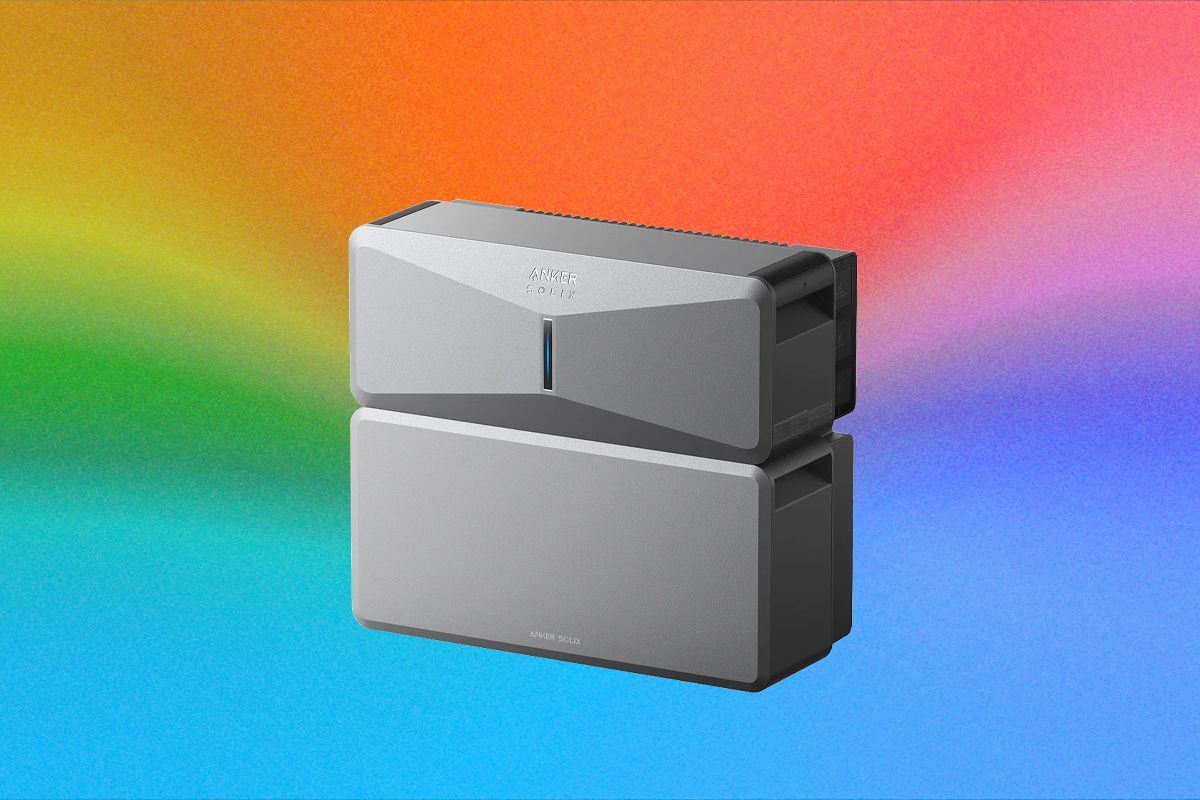

Electric utilities across the United States are accelerating the adoption of time-based use pricing, a rate structure that charges consumers more for electricity during peak demand periods and less during off peak hours. This shift aims to reduce strain on the electrical grid and encourage more efficient energy consumption. For the average homeowner, understanding how to navigate these new pricing models has become increasingly important, particularly when paired with emerging whole-home battery backup technologies.
Time-based use rates, also known as time-of-use pricing, replace the traditional flat rate for electricity. Under this system, electricity costs vary by the time of day, reflecting the actual cost of generation and delivery. Peak hours, typically late afternoon and early evening when demand is highest, carry significantly higher rates. Off peak hours, such as overnight and midday on weekends, offer substantially lower prices.
How Whole-Home Battery Backups Fit In
Whole-home battery backup systems allow consumers to store electricity when rates are low and use that stored energy during peak pricing periods. This approach can reduce monthly electricity bills without requiring changes to daily routines. By charging the battery during off peak hours and discharging during peak hours, homeowners effectively shift their energy consumption to cheaper time windows.
These battery systems, often installed alongside solar panels or as standalone units, can power essential household appliances during peak hours or even during grid outages. The combination of time-based rates and battery storage creates a financial incentive for consumers to invest in energy storage technology. Industry analysts note that the payback period for these systems is decreasing as battery costs fall and utility rates rise.
Practical Considerations for Consumers
Consumers considering this combination should first review their utility’s specific rate schedule. Peak and off peak hours vary by region and season. Some utilities offer free nights or weekends, while others have more complex multi tiered pricing structures. Understanding these patterns is essential for maximizing battery benefits.
Battery capacity also matters. A whole-home system typically requires 10 to 20 kilowatt hours of storage, depending on household size and energy use. Installation costs range from $10,000 to $20,000 before incentives. Federal tax credits and some state rebates can reduce these costs significantly. Consumers should verify current incentive programs in their area before purchasing.
Grid reliability is another factor. Regions prone to extreme weather or rolling blackouts see greater value in battery backups. Even without time-based rates, the ability to maintain power during outages can offset some upfront costs. Utility companies in several states now offer demand response programs that pay customers for allowing remote control of battery discharge during grid emergencies.
Market Trends and Adoption
Major utility providers, including those in California, Texas, and the Northeast, are expanding time-based rate offerings. According to the Energy Information Administration, the number of residential customers on time-based rates grew by more than 15 percent in 2023. Battery storage deployments for residential use exceeded 1.5 gigawatt hours in the same year, a record high.
Regulatory changes are also playing a role. Several states now require utilities to offer time-based rate options or net metering policies that favor storage. The Federal Energy Regulatory Commission has encouraged grid modernization that supports distributed energy resources like home batteries. These trends suggest that the pairing of time-based rates and battery storage will become more common in the coming years.
Consumers should expect continued evolution in both pricing structures and storage technology. Battery prices are projected to decline further, and new chemistries may improve efficiency and lifespan. Utility rate designs may also become more dynamic, with real time pricing becoming available in some markets.
For households looking to reduce electricity costs and gain energy independence, the combination of time-based use rates and whole-home battery backup systems offers a practical path forward. As adoption increases, the technology and regulatory frameworks will likely mature, making these systems more accessible and cost effective for a broader range of consumers.