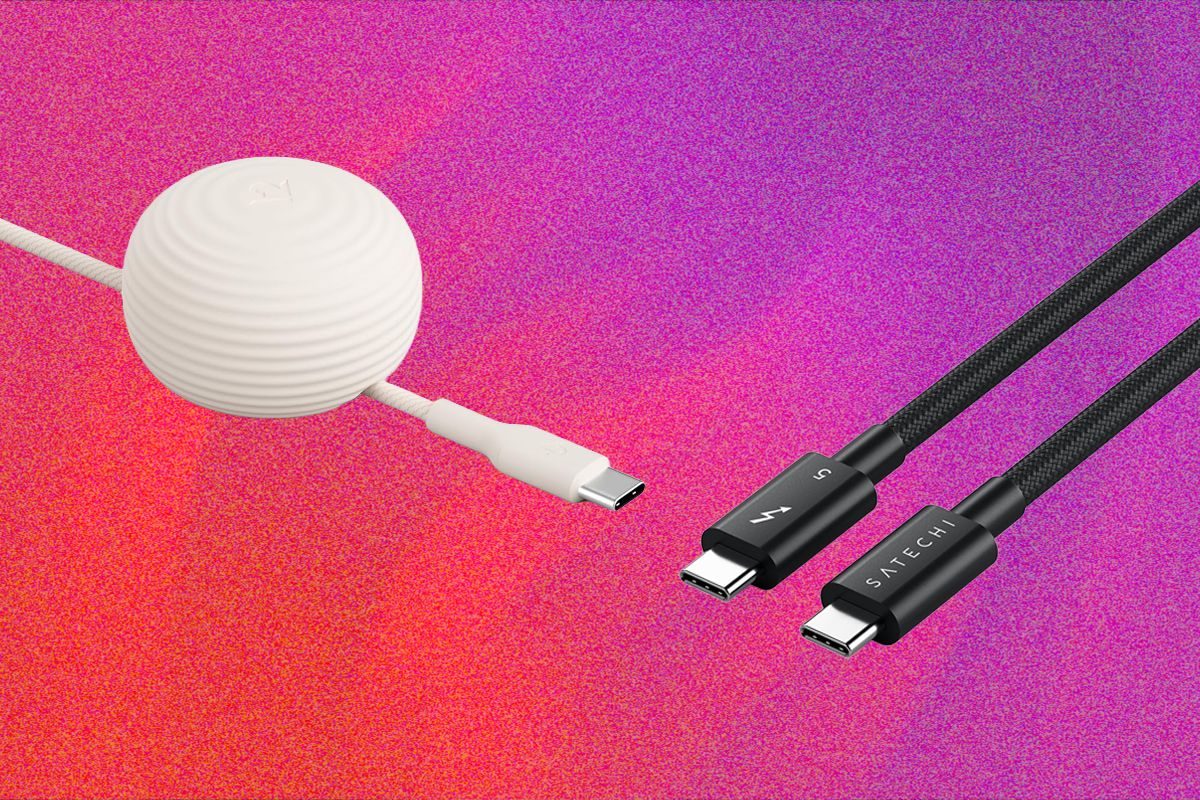

The market for USB-C cables continues to expand as more devices adopt the universal connector standard. Consumers now face a wide range of options for charging smartphones, tablets, and laptops. Understanding the key specifications is essential for making an informed purchase.
Why Cable Specifications Matter
Not all USB-C cables deliver the same performance. Variations in power delivery and data transfer speeds can significantly affect device charging times and file synchronization. Selecting a cable that matches the device’s capabilities ensures efficient operation.
USB Implementers Forum defines the technical standards. Cables certified to these specifications provide consistent performance and safety. Non certified cables may fail to deliver advertised speeds or could damage connected devices.
Power Delivery Capabilities
For smartphones and tablets, cables supporting USB Power Delivery up to 60 watts are generally sufficient. Laptops, however, often require cables rated for 100 watts or more to achieve full charging speeds. Check the device manufacturer’s recommendations before purchasing.
Higher wattage cables are typically thicker and less flexible. Users prioritizing portability may choose a lower wattage cable for smaller devices while keeping a high power cable for laptop use. Some cables are designed with braided exteriors for added durability.
Data Transfer Speeds
Data transfer rates vary by cable generation. USB 3.2 Gen 2 cables support speeds up to 10 Gbps, suitable for most external drives and video output. USB 4 cables can reach 40 Gbps and are backward compatible with older USB versions.
Thunderbolt 4 cables offer similar specifications and are often interchangeable with USB 4 cables for compatible devices. Users should verify device support for these higher speeds as they require compatible ports on both ends.
Length and Build Quality
Cable length affects both convenience and performance. Longer cables may experience voltage drop, particularly with high power charging. For laptop charging, cables under two meters are recommended to maintain full power delivery.
Quality connectors with reinforced strain relief reduce the risk of fraying. Aluminum or molded connectors offer better durability than basic plastic alternatives. Many manufacturers now include E-Marker chips that communicate the cable’s capabilities to the connected device.
Future Developments
Industry analysts anticipate further standardization of USB-C cables as the European Union’s mandate for universal charging connectors takes full effect. This may lead to clearer labeling of cable specifications and improved interoperability across device ecosystems. Manufacturers are also developing cables with integrated power monitoring and longer life cycles.