
Apple has announced plans to raise prices on its latest smartphone models, a move that is prompting many consumers to reconsider their purchasing strategies. For those seeking to minimize costs while retaining access to the iOS ecosystem, the pre owned iPhone market is gaining renewed attention.
Industry analysts point out that buying a used iPhone now offers an unusually favorable return on investment. Modern iPhones, particularly models from the iPhone 12 onward, have demonstrated exceptional longevity, with software support extending for five to six years after release. This durability means a second hand device can still provide a reliable experience for several years.
Longer Software Support Cycles
Apple’s commitment to long term software updates is a key factor in this shift. The company has historically provided major iOS updates for devices that are up to six years old, and security patches continue even longer. This policy makes older models viable for daily use well beyond what many Android counterparts offer.
Consumers who purchase a two year old used iPhone can reasonably expect to receive at least three more years of major software updates. This extended lifespan reduces the need for frequent upgrades and lowers the total cost of ownership.
Economic Drivers Behind the Trend
The decision to raise prices on new devices comes amid rising component costs and supply chain pressures. Apple has cited increased manufacturing expenses as a primary reason for the adjustment. As a result, the price gap between a new iPhone and a certified pre owned model has widened significantly.
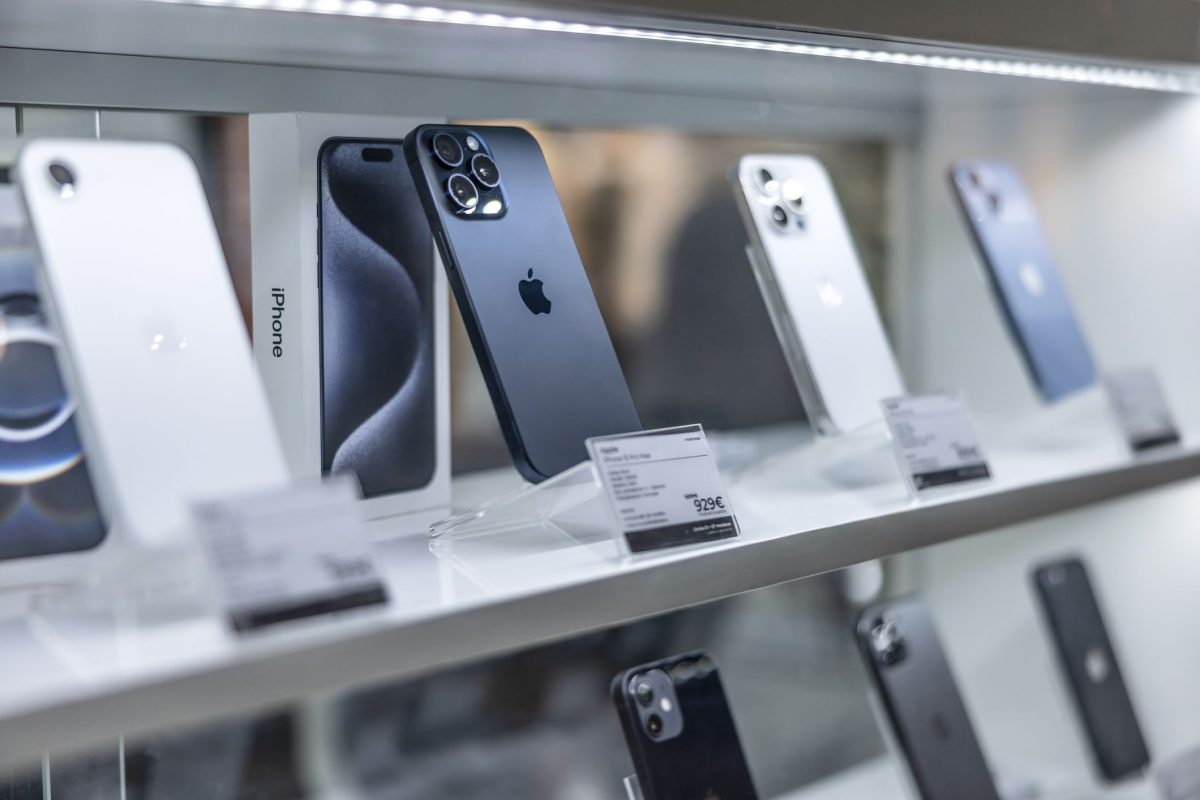
For example, a flagship iPhone that retails for over one thousand dollars can often be found on the secondary market for less than six hundred dollars, depending on condition and age. This price difference makes the used route particularly attractive for budget conscious buyers and those looking to upgrade from an older device without incurring a large expense.
Carriers and third party resellers are also expanding their refurbishment and trade in programs, which increases the availability of quality inspected devices. These units typically come with a limited warranty and have undergone battery checks, screen replacements, and data wiping procedures.
Environmental Considerations
Beyond economics, the growing interest in used iPhones aligns with broader environmental concerns. Extending the life of a smartphone reduces electronic waste and lowers the carbon footprint associated with manufacturing new devices. Many consumers now factor sustainability into their purchasing decisions, and buying a used phone is one of the most practical ways to reduce personal tech related emissions.
Apple itself has promoted its own trade in and recycling programs, but the independent secondary market also plays a role in keeping devices in circulation longer. The company has set a goal of achieving carbon neutrality across its entire supply chain by 2030, and greater consumer adoption of used hardware supports that objective indirectly.
For users upgrading from an older model, the process can be straightforward. Most used phones can be restored to factory settings and reactivated with a new SIM card. Buyers are advised to verify the device’s IMEI number to ensure it is not reported as lost or stolen and to check for any carrier locks before completing a purchase.
Looking ahead, analysts expect the used iPhone market to continue growing, particularly if Apple maintains its upward pricing trajectory. Some industry observers predict that third party certification programs and extended warranty offerings will become more common, further lowering the perceived risk for consumers. Official timelines for the price increase have not yet been finalized, but announcements are anticipated in the coming weeks ahead of the next product launch cycle.