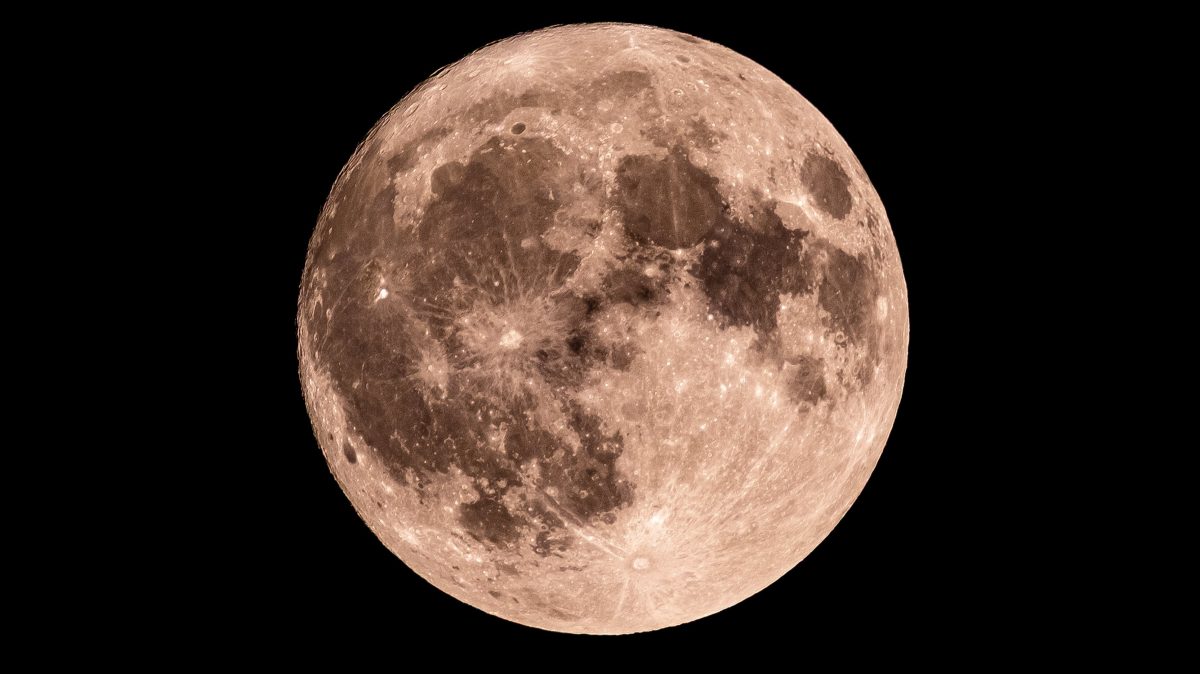

The Moon is becoming visible again in the evening sky after its new phase earlier this month. Observers on Monday, May 18, will see a thin crescent emerging shortly after sunset.
Current Moon Phase for May 18
As of May 18, the Moon is in its Waxing Crescent phase. This phase occurs in the first few days after the new Moon, when the illuminated portion of the lunar disk increases each night.
According to astronomical data, approximately 3 percent of the Moon’s visible surface will be lit tonight. This small fraction of illumination means the Moon appears as a narrow sliver in the western sky.
Visibility and Surface Features
Given the limited lighting, only the most prominent lunar features near the terminator (the line separating day and night on the Moon) may be visible with binoculars or a small telescope. Craters near the lunar limb, such as those in the highland regions, can sometimes be distinguished under low illumination angles.
For most casual observers, the crescent will appear smooth, with few discernible details to the naked eye. The thin crescent is best viewed shortly after sunset, when the sky is still darkening and the Moon remains low on the horizon.
Observing Tips
To locate the Waxing Crescent, look toward the western horizon about 30 to 45 minutes after sunset. Clear skies and minimal light pollution will improve the view. Binoculars can help reveal subtle shading on the Moon’s surface, though resolution remains limited at this phase.
As the evening progresses, the Moon will set relatively early, before midnight in most locations. This short window makes timing important for those hoping to catch a glimpse.
Upcoming Lunar Phases
In the days following May 18, the visible portion of the Moon will grow larger each night. By May 22, it will reach the First Quarter phase, with half of its disk illuminated. The full Moon is expected around May 29, offering significantly more surface detail for observers.
These gradual changes in illumination are predictable and follow a regular 29.5 day cycle. Astronomers and enthusiasts use these patterns to plan observations of specific features under varying lighting conditions.
No unusual lunar events, such as eclipses or occultations, are scheduled for this date. The May 18 crescent remains a routine astronomical occurrence, providing a gentle reintroduction to the Moon’s visibility after its absence during the new Moon.