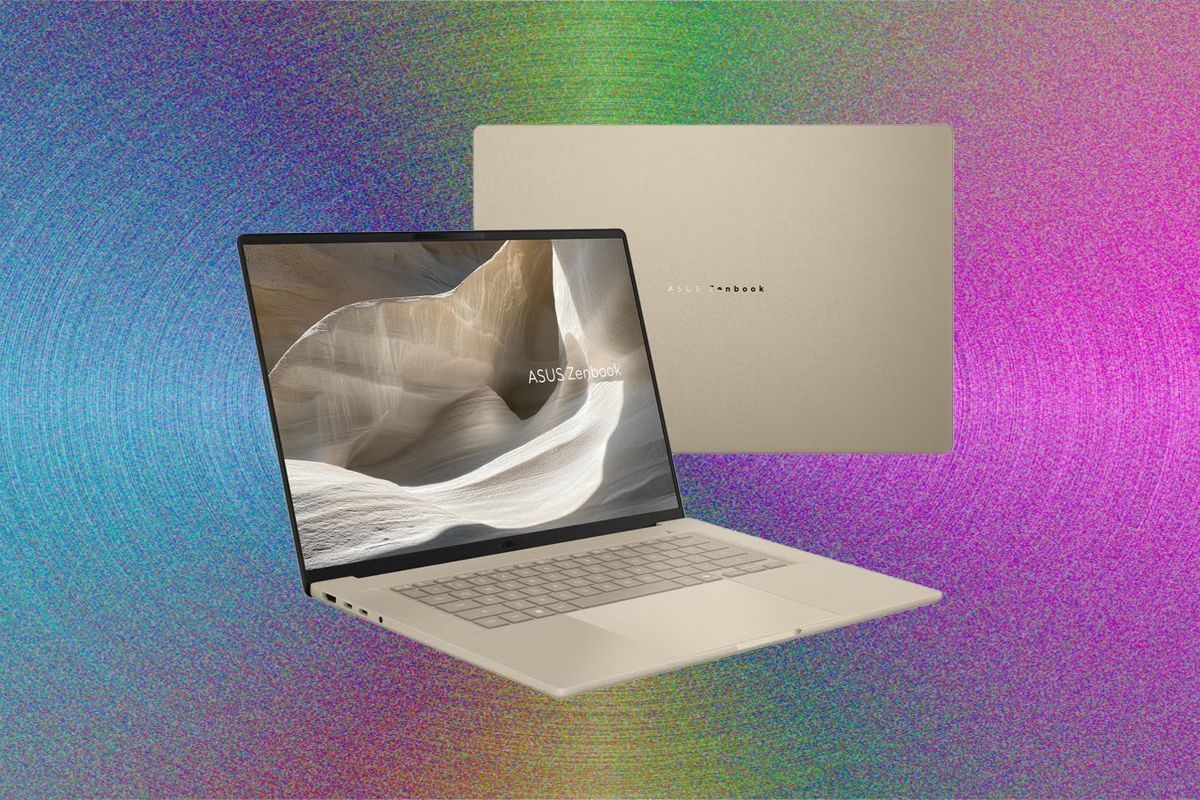

Asus has released its Zenbook A16 (2026) model, a laptop that centers entirely on raw processing capability. Priced at $2,000, the device relies on Qualcomm’s Snapdragon X2 Elite Extreme chipset to deliver benchmark-shattering performance. However, early reviews indicate that this computational focus comes at an expense to other critical features.
Exceptional Processing Power
The Snapdragon X2 Elite Extreme processor represents Qualcomm’s latest foray into high-end laptop silicon. In testing, the chip outperforms many current Intel and AMD competitors in multi-threaded tasks, particularly in video rendering and data compilation. Asus has paired this processor with a generous cooling system to maintain sustained clock speeds under load.
For professionals handling intensive workloads such as 3D modeling, scientific simulations, or 4K video editing, the Zenbook A16 offers a notable leap in productivity. The system handles heavy multitasking with minimal lag, a direct result of the Snapdragon architecture’s efficiency.
Design and Display Trade-offs
Despite its internal prowess, the Zenbook A16 adopts a subdued aesthetic. The chassis is finished in a beige tone that some reviewers describe as utilitarian rather than premium. The 16-inch display, while sharp, uses a standard IPS panel rather than an OLED alternative, a compromise at this price point.
Build quality remains solid, with a magnesium-aluminum alloy frame that resists flex. However, the laptop’s thickness and weight exceed that of many ultraportable competitors. Battery life is adequate but not exceptional, averaging around eight hours under mixed use, partly due to the high-performance processor drawing significant power.
Connectivity and Port Selection
Asus includes a reasonable array of ports for a modern laptop. Users will find two USB-C 4.0 ports, one USB-A 3.2 port, an HDMI 2.1 output, and a 3.5mm audio jack. The absence of an Ethernet port or SD card reader may disappoint some creative professionals, though USB-C adapters remain a common workaround.
Wi-Fi 7 and Bluetooth 5.4 support ensure fast wireless connectivity. The keyboard provides satisfactory key travel for extended typing sessions, and the trackpad is responsive. Audio output from the dual speakers is adequate for video calls but lacks the fullness needed for media consumption.
Implications for Buyers
The Asus Zenbook A16 (2026) targets a specific user: the power user who prioritizes computational speed above all else. It does not aim to compete with premium ultrabooks in aesthetics or portability. Instead, it positions itself as a mobile workstation for those who need maximum processor throughput.
Competitors in this segment include Dell’s XPS 16 and Lenovo’s ThinkPad P series, both of which offer stronger display options and more refined designs. The Zenbook A16 undercuts many of them on raw price-to-performance ratio, making it a compelling choice for budget-conscious professionals.
Looking Ahead
Asus has not announced a timeline for a potential revision or updated model. Industry analysts expect the company to refine the Zenbook A16 line in future iterations, possibly addressing display quality and chassis color options. For now, the laptop stands as a statement that raw performance can still anchor a premium device, even when other elements remain secondary priorities.