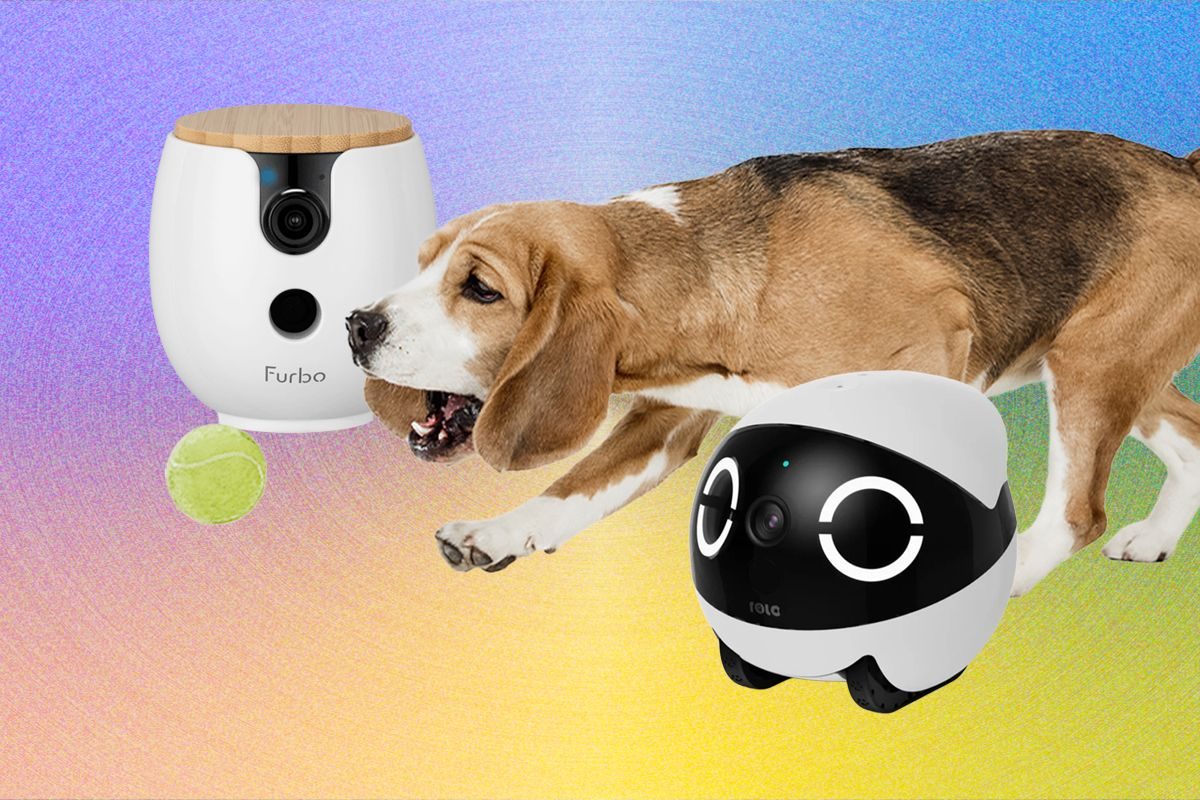

The bond between pet owners and their animals remains strong, even during periods of physical separation. Technological advancements have made it possible to maintain a connection through dedicated pet monitoring devices. These cameras offer more than simple video feeds; they provide interactive features and peace of mind for concerned owners.
As the market evolves, several manufacturers have established themselves as prominent providers. The anticipated leading models for 2026 are expected to come from companies like Furbo, Petcube, and Enabot. Each brand brings distinct functionalities to the table, catering to various needs and preferences.
Core Functionality of Modern Pet Cameras
Contemporary pet cameras serve multiple purposes beyond basic surveillance. A standard device typically includes a high-definition video stream accessible via a smartphone application. This allows for real-time observation of a pet’s behavior and activity throughout the day.
Many models incorporate two-way audio communication. This feature enables an owner to speak to their pet, potentially soothing anxiety or discouraging unwanted behavior. Some devices include treat-dispensing mechanisms, allowing for remote positive reinforcement.
Advanced motion and sound detection are also common. These systems can send instant alerts to an owner’s phone when unusual activity is detected. This can be crucial for monitoring pets with specific health concerns or for general home security.
Evaluating Key Features for Purchase
When selecting a pet camera, several technical specifications warrant consideration. Video resolution, typically 1080p or higher, determines the clarity of the feed. A wide-angle lens provides a more comprehensive view of a room, reducing blind spots.
Night vision capability is essential for monitoring in low-light conditions. The quality of this feature varies, with infrared LEDs offering clear monochrome images. Connectivity reliability, dependent on a strong Wi-Fi signal, is fundamental for consistent operation.
Subscription services are a factor for some brands. These may offer cloud video storage, advanced activity analytics, or extended alert histories. Prospective buyers should review any ongoing costs associated with the device’s full functionality.
Durability and power options are practical concerns. Some cameras are designed to be placed out of reach, while others are built to withstand potential interaction with pets. Battery-operated models offer placement flexibility but require recharging.
Market Leaders and Their Trajectories
Furbo has gained recognition for its treat-tossing function and bark detection alerts. Its design focuses on engaging pets remotely. The company continues to refine its AI to better distinguish between different types of sounds and movements.
Petcube emphasizes interactivity, often integrating laser pointers for play into its camera systems. Its products frequently boast robust construction and wide field-of-view lenses. The brand’s ecosystem approach allows integration with other smart home devices.
Enabot represents a newer wave of mobile pet cameras. These devices are often robotic, capable of moving around a space to follow a pet. This addresses the limitation of a fixed camera angle, offering dynamic monitoring.
The competition between these and other manufacturers drives innovation. Each year, improvements in battery life, AI recognition, and app usability are introduced. This benefits consumers with more capable and reliable products.
Privacy and Data Security Considerations
As with any internet-connected device, data security is paramount. Reputable companies implement encryption for video streams and stored data. They should provide clear privacy policies detailing how customer information is handled.
Owners should secure their home Wi-Fi network and use strong, unique passwords for their camera accounts. Regularly updating the device’s firmware is also critical to patch any discovered security vulnerabilities. These steps help protect against unauthorized access.
The industry faces increasing scrutiny regarding data practices. Consumer advocacy groups call for transparent data handling and robust default security settings. Manufacturers are expected to prioritize these aspects as a standard part of product development.
Looking forward, the pet camera sector is poised for further integration with broader smart home ecosystems. Future developments may include more sophisticated health monitoring through behavior pattern analysis, integration with veterinary telehealth platforms, and improved battery technology for mobile units. The primary goal remains enhancing the welfare of pets and the confidence of their owners through reliable, secure, and feature-rich technology.