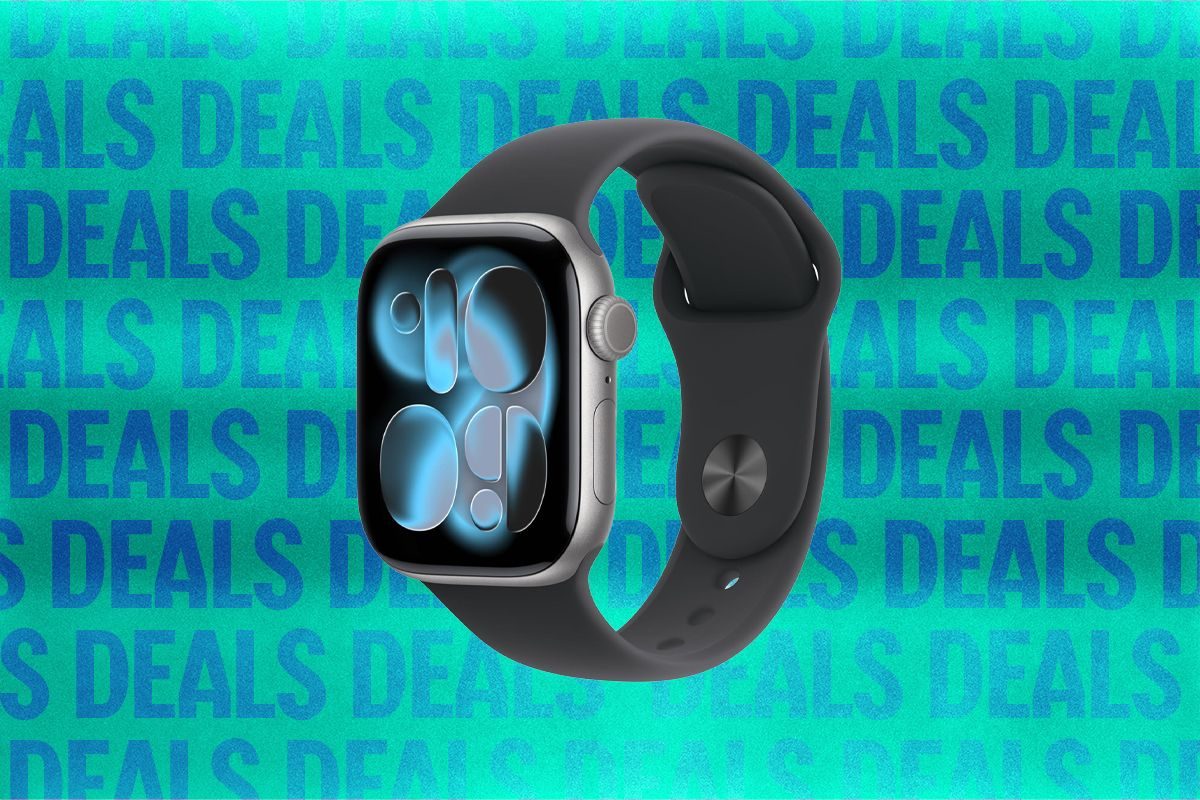

The Apple Watch Series 9, a model frequently cited by industry analysts for its balance of features and value, has reached its lowest market price since its initial release. This price adjustment, observed across multiple major retailers, presents a notable moment for consumers considering a purchase of the wearable device.
Market analysts attribute this price reduction to several converging factors. The consumer electronics sector often experiences cyclical pricing, particularly as manufacturers and retailers clear inventory in anticipation of new product cycles. The wearable technology segment, while growing, is also subject to intense competition, which can pressure pricing strategies.
Context of the Current Pricing Shift
The Apple Watch occupies a significant position within the smartwatch category. Its integration with the iOS ecosystem and consistent software updates have sustained its popularity. However, the maturation of the product category means incremental annual updates, which can lead to increased price sensitivity among consumers.
When a flagship product from a company like Apple sees a sustained price drop, it often reflects broader market dynamics. These can include supply chain efficiencies, decreased component costs, or strategic moves to maintain market share against competing platforms from Samsung, Google, and other manufacturers.
Implications for Consumers and the Market
For potential buyers, this pricing event represents an opportunity to acquire current-generation technology at a reduced cost. It is a standard phase in the technology adoption lifecycle, where early adopters have paid a premium and the product becomes accessible to a wider audience.
Such pricing movements are carefully monitored by industry observers as indicators of product lifecycle status and consumer demand. A significant discount on a current model can sometimes precede the announcement of a successor, though Apple’s official release schedule remains the definitive source for such information.
The performance of wearable tech is also linked to the health of the broader smartphone and personal computing markets. As essential companion devices, demand for smartwatches can correlate with upgrade cycles for primary devices like iPhones.
From a retail perspective, these price reductions are typical of seasonal sales strategies and inventory management. They do not necessarily indicate a lack of demand for the product line, but rather a competitive and efficient marketplace responding to real-time sales data and inventory levels.
Looking Ahead: Market Trajectory and Product Development
The technology sector continues to evolve rapidly, with wearable devices integrating more advanced health sensors, connectivity options, and standalone functionalities. Price adjustments on existing models are a normal part of this progression, making advanced technology more accessible while funding research and development for future iterations.
Industry analysts will be observing how this pricing action affects sales volume and market share data in the coming quarter. Furthermore, attention will turn to Apple’s annual development cycle, where announcements regarding software updates and potential new hardware are expected.
The long-term strategy for wearable technology appears focused on deeper health monitoring, improved battery life, and greater independence from smartphones. Price points and value propositions will continue to be critical factors in consumer adoption rates across all market segments.
Based on historical patterns and current market intelligence, the wearable technology market is expected to see continued growth, with pricing strategies playing a key role in expansion. Future product releases will likely build upon the foundation of current models, offering iterative improvements in performance, design, and functionality.