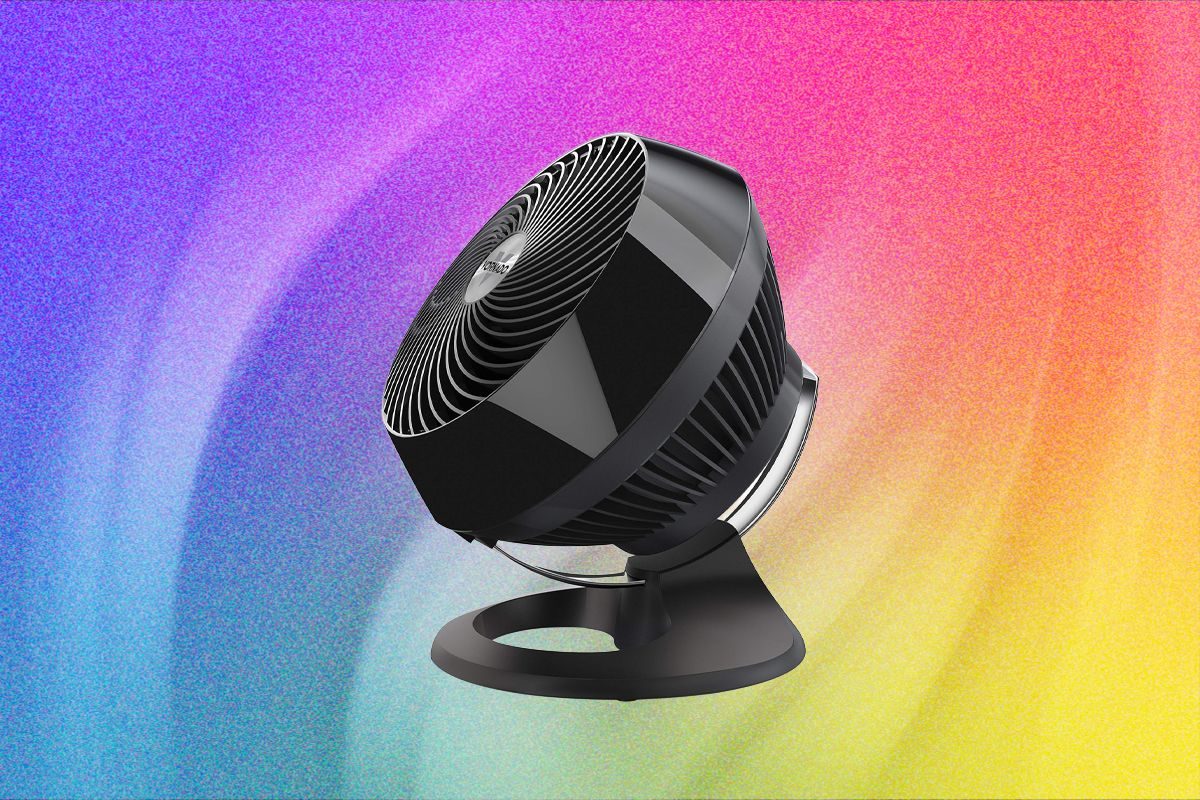

As seasonal temperatures begin their annual climb, many households and businesses are evaluating their cooling solutions. The familiar hum of the traditional box fan is increasingly being supplemented, or replaced, by a new generation of advanced air circulation devices. These modern units offer functionalities that extend far beyond simple airflow, incorporating features such as programmable lighting, integrated misting systems, and even autonomous movement.
The Evolution of Personal Cooling Technology
The fundamental purpose of a fan, to move air and create a wind-chill effect, remains unchanged. However, the technology and design philosophy behind these appliances have undergone significant refinement. Engineers and product designers are now focused on enhancing user experience through smart features, improved energy efficiency, and adaptive operation. This shift reflects broader consumer demand for appliances that are not only functional but also integrate seamlessly into modern, connected living spaces.
Features like adjustable color lighting serve a dual purpose. They can provide ambient mood lighting while also functioning as a visual indicator for settings like speed or timer status. Misting capabilities, often built into outdoor or patio-focused models, combine air movement with water vapor to create a more pronounced cooling effect through evaporation, which is particularly effective in dry climates.
Implications for Energy Consumption and Interior Design
The move towards smarter fans has tangible implications for household energy management. Many newer models boast DC motor technology, which consumes significantly less electricity than older AC motor designs while offering quieter operation and more precise speed control. This efficiency aligns with growing environmental and economic concerns regarding energy use.
Furthermore, the aesthetic of cooling appliances has become a considerable factor. Design-forward models are constructed with materials like brushed metal, matte plastics, and natural wood accents, allowing them to blend into or complement contemporary interior decor rather than appearing as utilitarian afterthoughts. The development of compact, powerful bladeless designs also addresses safety and cleaning concerns that are common with traditional fan designs.
The most technologically advanced segment of the market includes models with sensor-driven automation. These fans can detect occupancy in a room and adjust their operation accordingly, potentially turning off in empty spaces to save energy. Some are equipped with oscillating bases that can follow a person’s movement within a defined area, ensuring consistent personal cooling without manual adjustment.
When selecting a new cooling unit, consumers are advised to consider several key factors. Room size and ceiling height are primary determinants for the required airflow, measured in cubic feet per minute (CFM). Noise level, measured in decibels (dB), is another critical specification, especially for use in bedrooms or quiet offices. The availability of multiple speed settings, oscillation patterns, and timer functions adds to the versatility and convenience of the device.
Connectivity has also become a standard expectation. Numerous models now offer integration with smartphone applications and voice-controlled home assistant systems. This allows users to schedule operation times, change settings remotely, and incorporate the fan into broader smart home routines, such as turning on automatically when the room temperature reaches a certain threshold.
Industry analysts observe that the trend toward multifunctional and intelligent cooling devices is likely to continue. Future developments may focus on even greater integration with home climate control systems, improved air purification capabilities built into fan units, and advancements in battery technology for cordless models. The overarching goal remains to provide efficient, personalized comfort through innovative and responsive design.