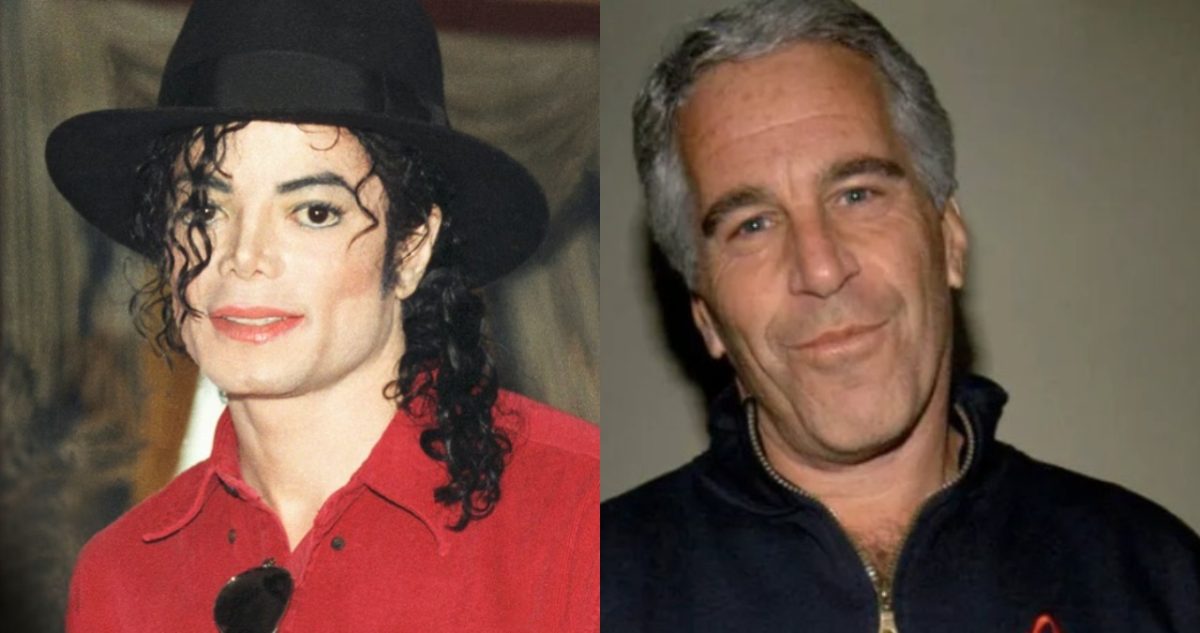

The debate surrounding Michael Jackson and allegations of child abuse has been reignited following remarks by documentary filmmaker Dan Reed. Reed, who directed the 2019 documentary “Leaving Neverland,” has publicly stated that he considers Jackson worse than the late convicted sex offender Jeffrey Epstein.
This comparison has resurfaced years after Jackson’s death in 2009. The singer was acquitted of child molestation charges in 2005 but faced renewed scrutiny after Reed’s film aired. The documentary featured two men, Wade Robson and James Safechuck, who alleged that Jackson abused them as children.
Reed’s latest comments have drawn sharp reactions from Jackson’s estate and his global fan base. The estate has consistently denied all allegations, emphasizing that Jackson was found not guilty in a court of law. Supporters argue that the claims are not credible and that the documentary lacked balanced evidence.
Reed, however, asserts that the pattern of behavior detailed by accusers is more extensive than the crimes attributed to Epstein, who died by suicide in 2019 while awaiting trial on federal sex trafficking charges. No formal legal proceedings have been initiated against Jackson’s estate based on the documentary’s claims.
Background and Legal Context
Michael Jackson faced two major investigations into child abuse allegations. The first occurred in 1993 when a 13-year-old boy accused him of molestation. That case was settled out of court for a reported $23 million.
A second case led to a 2005 criminal trial in Santa Maria, California. Jackson was acquitted on all 14 counts, including child molestation and conspiracy. He maintained his innocence until his death from acute propofol intoxication in June 2009.
Reactions and Implications
Public opinion on the matter remains deeply divided. While some view Reed’s documentary as a valid account of abuse, others criticize it as a one-sided narrative. The Jackson estate has filed a lawsuit against HBO over the documentary, arguing that it violated a non-disparagement clause from a 1992 concert agreement.
The legal case is ongoing, and no final ruling has been issued. The documentary continues to be available on streaming platforms, although some countries have debated its distribution.
Discussions about the credibility of the accusers and the legacy of Michael Jackson persist in both media and popular culture. The renewed attention illustrates how unresolved allegations can continue to surface years after an individual’s death.
Looking ahead, additional legal or documentary projects may emerge as public interest remains high. No official investigations have been announced, but the topic is likely to remain in the public discourse as long as the documentary and the estate’s legal battles continue.