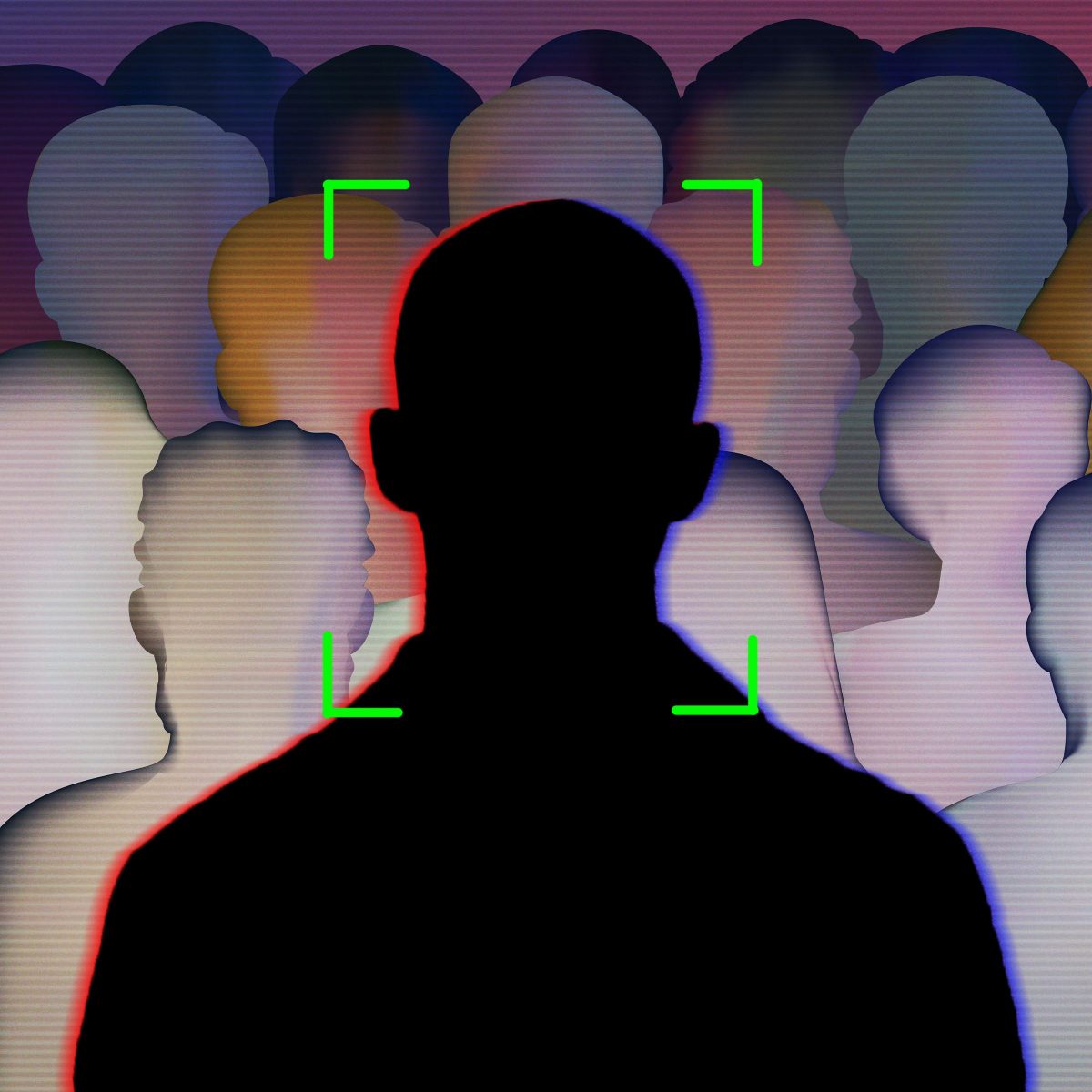

The use of facial recognition technology at theme parks has taken a significant step forward. Disneyland has begun deploying facial recognition systems on visitors entering the park, marking one of the most high-profile adoptions of biometric identification in the leisure industry.
The system is designed to streamline entry processes and enhance security measures. Instead of presenting a physical ticket or smartphone barcode, guests can have their face scanned at the entrance. The technology matches the scan against a pre-registered image linked to the visitor’s ticket account.
How the System Operates
Guests participating in the program first submit a photo through the official Disneyland mobile application before their visit. At the park gates, cameras capture a live image and compare it with the stored photo. Successful matches allow entry without additional documentation.
Disney has stated that participation is voluntary. Visitors who opt out can use traditional methods such as paper tickets or digital passes. The company has also emphasized that biometric data is encrypted and retained only for a limited period before deletion.
Broader Context of Biometric Use
Disneyland’s initiative occurs amid growing global adoption of facial recognition across various sectors. Airports, banks, and retail spaces have increasingly deployed similar systems for identity verification and fraud prevention. Privacy advocates, however, have raised concerns about potential data misuse, surveillance creep, and the lack of comprehensive legal frameworks governing biometric collection.
The park operator has not released detailed technical specifications of the system. External cybersecurity researchers have pointed out that any large-scale biometric database presents a high-value target for potential breaches. The company maintains that its security protocols meet industry standards.
Related Developments in Cybersecurity and Legal Affairs
In parallel news, the National Security Agency (NSA) has reportedly begun testing Anthropic’s Mythos Preview, an advanced artificial intelligence model, to identify potential vulnerabilities in its own systems. This marks a shift where government intelligence agencies leverage third-party AI tools for defensive purposes rather than solely relying on proprietary solutions.
Separately, a Finnish teenager has been formally charged in connection with the Scattered Spider hacking campaign. The group is known for targeting major corporations and demanding ransom payments. The case highlights the international reach of cybercriminal networks and the increasing cooperation among law enforcement agencies across borders.
The teenager allegedly participated in coordinated attacks that disrupted operations at several large organizations. Authorities have not disclosed the specific extent of the damages but have indicated that the investigation remains ongoing.
Implications for Data Privacy and Security
The convergence of biometric surveillance, advanced AI testing, and international cybercrime cases underscores the complex landscape of modern digital security. For consumers and businesses alike, understanding the trade-offs between convenience and privacy becomes increasingly important.
Organizations deploying facial recognition must navigate a patchwork of local, national, and international regulations. In the European Union, for example, the General Data Protection Regulation (GDPR) imposes strict requirements on biometric data processing. In the United States, state-level laws such as the Illinois Biometric Information Privacy Act (BIPA) add additional compliance layers.
Disneyland’s implementation is likely to be closely watched by other entertainment venues and public spaces considering similar technologies. The outcome could influence broader adoption or lead to regulatory adjustments.
As of now, no official timeline has been announced for the expansion of Disneyland’s facial recognition system to other parks or locations. The company has stated it will continue to evaluate guest feedback and operational efficiency before making any further decisions. The global conversation around biometric identification and its safeguards is expected to intensify as more entities follow suit.