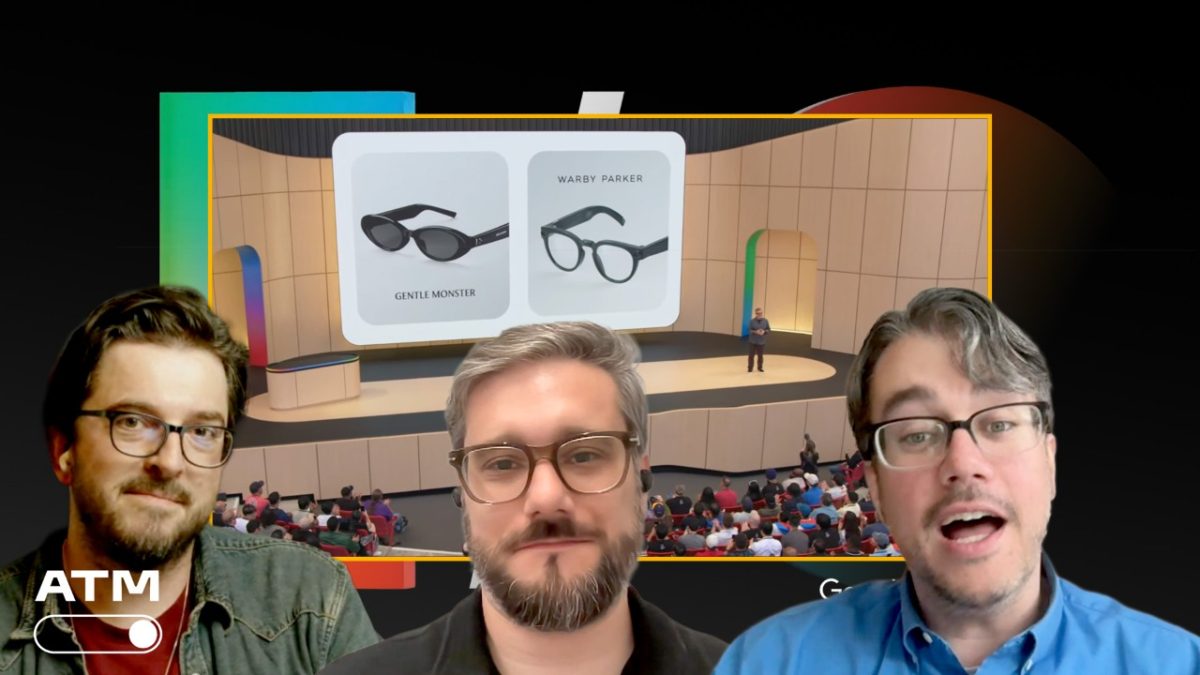

Google’s annual developer conference, Google I/O 2026, showcased a series of announcements that underscore the company’s accelerated shift toward artificial intelligence. The event, held at the Shoreline Amphitheatre in Mountain View, California, highlighted three core areas: the Gemini AI model, a new generation of extended reality (XR) glasses, and a broader infrastructure push to embed AI across Google’s product ecosystem.
Gemini, Google’s flagship multimodal AI system, received a significant update. The new version improves reasoning capabilities and integrates more deeply with Google’s search and cloud services. Developers were shown demonstrations of Gemini handling complex, multi-step queries that combine text, image, and audio inputs in real time. The system is now available in a lightweight variant designed for mobile devices, aiming to reduce latency while maintaining accuracy.
XR Glasses and Augmented Reality
Perhaps the most visually striking announcement involved Google’s return to wearable computing with a pair of XR glasses. Unlike previous prototypes, these glasses feature a full-field display that overlays digital information onto the physical world without requiring a separate smartphone connection. The device uses onboard processing and Gemini’s real-time object recognition to provide contextual assistance, such as navigation cues, translation of signs, and identification of landmarks. Google stated that the glasses will enter limited beta testing later this year, with a broader consumer release expected in 2027.
The glasses also support hands-free interaction through voice commands and eye-tracking gestures. Privacy features include a visible indicator light when the camera is active and local data processing for sensitive tasks.
AI Integration Across Products
Beyond hardware, Google outlined plans to embed Gemini into its core productivity tools. Google Workspace will receive enhanced AI features for document summarization, spreadsheet analysis, and email drafting, all powered by the updated model. The company also announced that its search engine will incorporate Gemini-generated answers directly into results pages, though it will preserve links to original sources for verification.
Critics have raised concerns about the reliability of AI-generated content, particularly in search contexts. Google responded by stating that all AI-generated responses will include clear disclaimers and options to view the underlying web results.
Developer Tools and Cloud Infrastructure
For developers, Google introduced a new set of APIs and SDKs that allow third-party applications to access Gemini’s capabilities. The company also unveiled a cloud-based training platform that promises to reduce the computational cost of fine-tuning large language models. These tools are intended to lower the barrier for startups and smaller enterprises to build custom AI solutions.
Industry Reactions and Implications
Industry analysts noted that Google’s announcements position the company to compete more directly with other major AI initiatives from Microsoft and OpenAI. The XR glasses, in particular, represent a strategic bet on augmented reality as a future computing platform. However, questions remain about battery life, pricing, and the social acceptability of wearing camera-equipped glasses in public spaces.
Consumer privacy advocates have called for clear regulatory guidelines regarding data collection and usage in wearable devices. Google has not yet released detailed privacy impact assessments for the XR glasses.
Looking ahead, Google plans to release a developer kit for the XR glasses in the fourth quarter of 2026, with a public launch slated for early 2027. The company has not announced pricing for the device or for the premium tier of Gemini-powered services. Further updates on the AI model’s capabilities and integration timeline are expected during the next quarterly earnings call.