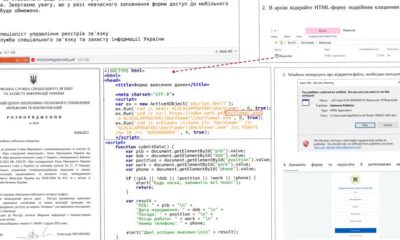

Security researchers have uncovered an active campaign exploiting a previously undocumented vulnerability in Adobe Reader. Attackers have been leveraging malicious PDF documents to target users since at least December 2025.
The discovery was detailed by Haifei Li of the security monitoring firm EXPMON. Li described the exploit as highly sophisticated in its technical execution.
Evidence indicates the campaign began earlier than initially observed. The first known malicious file, named “Invoice540.pdf,” was uploaded to the VirusTotal malware scanning platform on November 28, 2025.
Technical Background and Attack Vector
This type of security flaw is classified as a zero-day vulnerability. This term signifies that the software vendor, in this case Adobe, had zero days of awareness prior to active exploitation.
The attack vector is a maliciously crafted Portable Document Format (PDF) file. PDFs are ubiquitous for sharing documents, making them an attractive target for threat actors seeking to appear legitimate.
When a victim opens the weaponized PDF in a vulnerable version of Adobe Reader, the exploit code executes. This can allow the attacker to run arbitrary commands on the victim’s computer.
Implications for Digital Security
The ongoing exploitation highlights a persistent threat in the digital landscape. Software vulnerabilities, especially in widely distributed applications, present significant risks.
Such attacks can lead to data theft, installation of additional malware, or system compromise. Organizations and individual users are both potential targets in these campaigns.
The use of a document labeled as an invoice is a common social engineering tactic. It is designed to trick recipients into opening the file by mimicking routine business correspondence.
Security professionals emphasize that the technical sophistication of this exploit suggests a capable threat actor. The group behind the campaign likely possesses advanced resources and knowledge.
Response and Mitigation Strategies
As of this reporting, Adobe has not released an official security patch addressing this specific vulnerability. The company typically investigates reported zero-day exploits before issuing a fix.
Standard cybersecurity advice remains critically important. Users should exercise extreme caution with unsolicited email attachments, even those appearing to be routine documents.
Maintaining updated security software and enabling relevant protections within Adobe Reader can provide layered defense. However, these measures may not be fully effective against a novel zero-day exploit.
Enterprises often employ advanced threat detection systems to identify anomalous file behavior. Network monitoring for suspicious outbound connections is also a common defensive practice.
The security community continues to analyze the exploit’s methodology. This research is vital for developing detection signatures and understanding the full scope of the threat.
Based on standard industry practice, Adobe is expected to release a security bulletin and software update. The timeline for this patch depends on the complexity of the underlying code flaw.
Users and administrators should monitor official Adobe security advisories for guidance. Applying the patch immediately upon release is the definitive mitigation step.