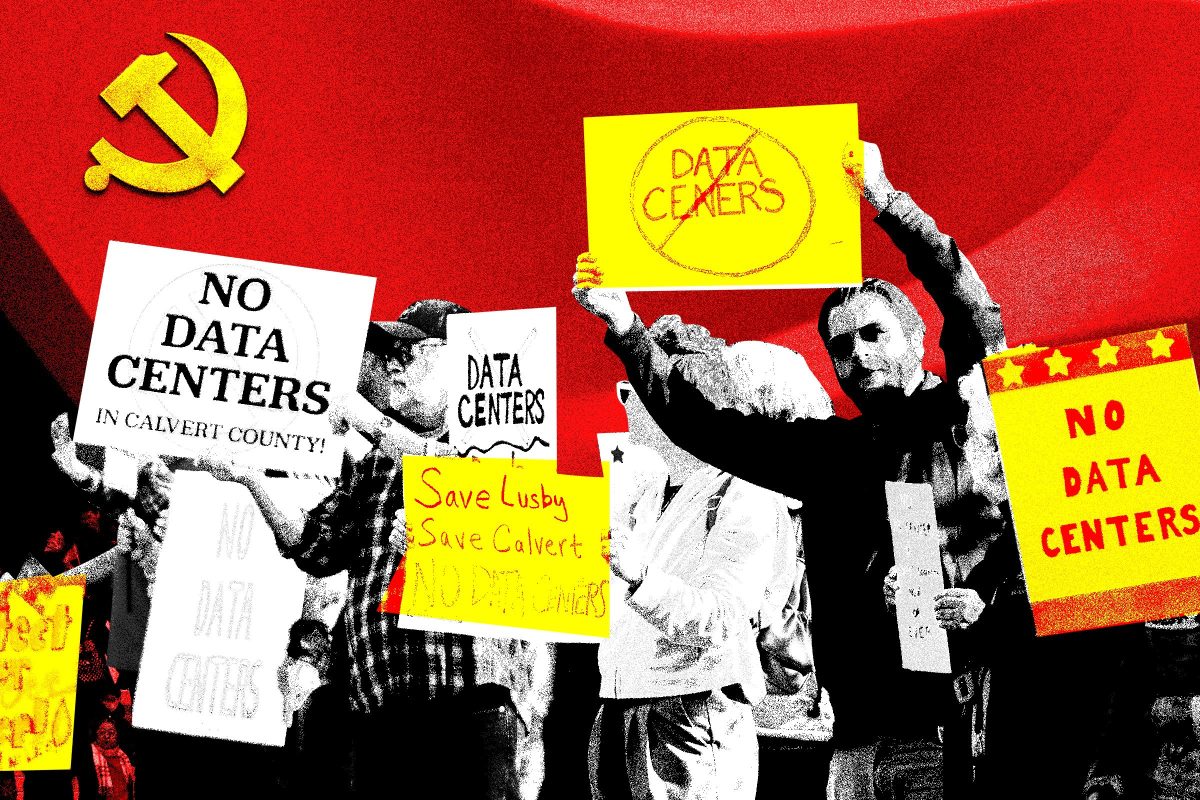

Republican lawmakers, technology investors, and OpenAI have recently suggested that the growing opposition to data centers in the United States is tied to Chinese interference. However, experts in infrastructure policy and cybersecurity argue that the reality is far more nuanced.
Background of the Anti Data Center Movement
Local communities across several US states have voiced concerns over the environmental impact and energy consumption of large data centers. These facilities, which power cloud computing, artificial intelligence, and streaming services, require enormous amounts of electricity and water for cooling.
Residents near planned data center sites in Virginia, Arizona, and Oregon have organized protests, citing noise pollution, strain on local grids, and rising property costs. Some local governments have introduced moratoriums on new data center construction while studying long term effects.
Claims of Foreign Influence
In recent congressional hearings, several GOP lawmakers alleged that coordinated anti data center campaigns may be funded or directed by Chinese state actors. OpenAI, in a policy brief, also warned that foreign adversaries could exploit local opposition to slow US technological advancement.
Yet independent analysts and academic researchers question the evidence. A study by the Center for Strategic and International Studies found no direct link between Chinese government entities and grassroots data center protests. The report noted that most opposition stems from genuine local environmental and economic concerns.
Complex Motivations Behind Local Resistance
Data center opposition often arises from specific community grievances rather than geopolitical agendas. For example, in Loudoun County, Virginia, residents have filed lawsuits over noise from backup generators. In Arizona, farmers worry about water allocation for cooling systems.
Experts emphasize that attributing these disputes to foreign interference oversimplifies a multifaceted issue. The rapid expansion of digital infrastructure has outpaced local zoning and environmental regulations, creating friction between tech companies and host communities.
Implications for the Domain and Hosting Industry
The debate has implications for companies that rely on data centers for domain name system services, web hosting, and cloud storage. As public scrutiny increases, data center operators are under pressure to adopt greener technologies and engage more transparently with local stakeholders.
Major domain registrars and hosting providers are already investing in renewable energy credits and water recycling systems. Some have published community impact reports to address concerns proactively.
Looking Ahead
Observers expect the tension between data center growth and local opposition to persist, especially as artificial intelligence and streaming demand continue to rise. Policymakers are likely to introduce clearer guidelines on data center siting, energy efficiency standards, and community compensation.
Federal agencies, including the Department of Energy, are exploring funding for next generation cooling technologies and grid integration. While Chinese influence remains a topic of political debate, the practical path forward will depend on balancing technological expansion with local needs.
No official timeline has been set for federal action, but several state legislatures are expected to revisit data center regulations in their next sessions. The domain and hosting industry will be watching closely, as regulatory changes could affect operational costs and service reliability.