
A group of cryptography enthusiasts has announced they have deciphered the final section of Kryptos, the enigmatic sculpture that has stood outside the Central Intelligence Agency headquarters in Langley, Virginia, for more than three decades. The team, which operates under the name “Kryptos Group,” asserts that they have cracked the fourth and last passage of the coded artwork without ever viewing the classified solution held by the CIA.
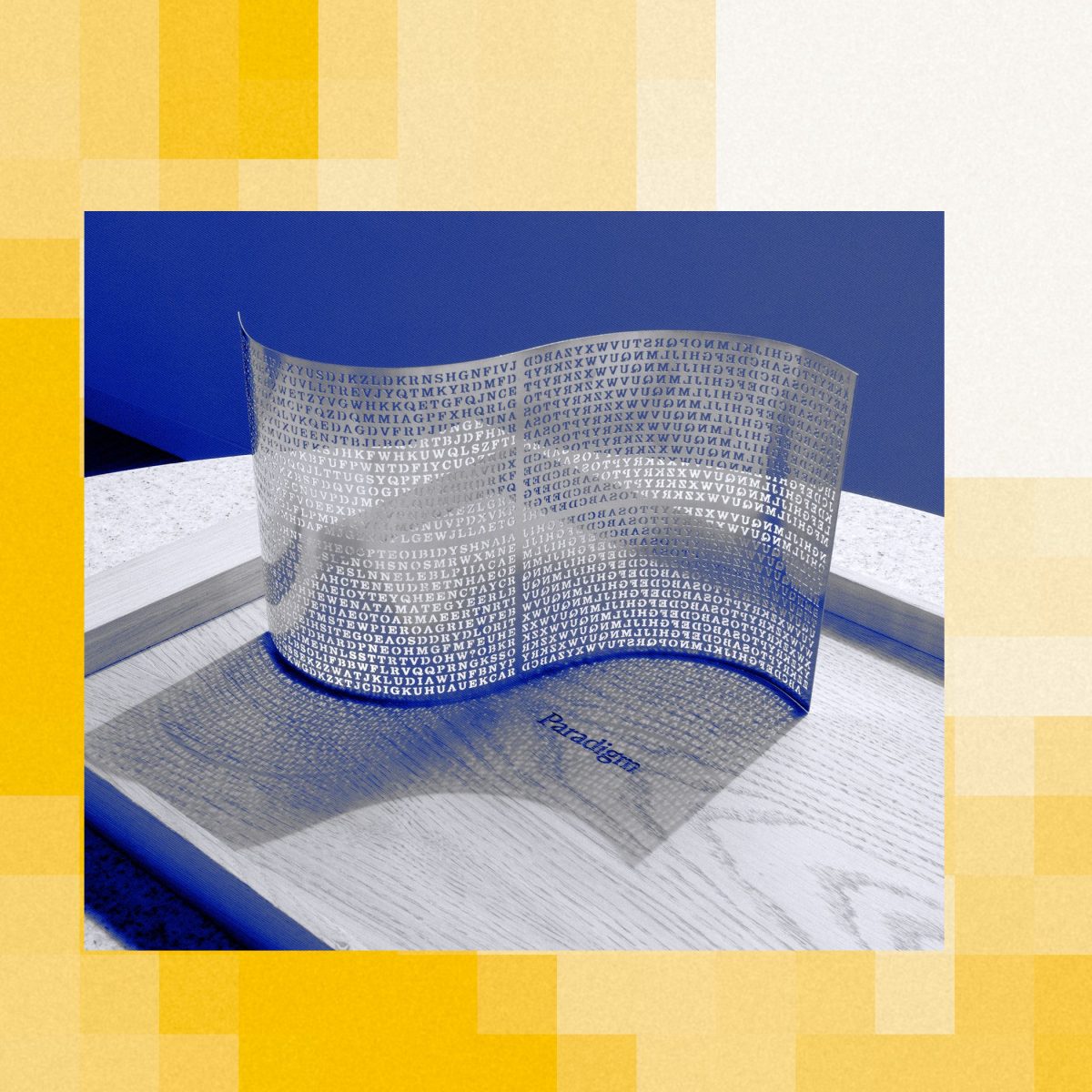
Kryptos was created in 1990 by American artist Jim Sanborn. The sculpture consists of a curved copper screen containing approximately 1,800 letters arranged in four encrypted sections. The first three passages were solved by independent researchers between 1999 and 2010, but the fourth and most difficult segment has remained unsolved, prompting decades of global speculation and effort.
Background of the Sculpture and Its Mystery
The CIA has never publicly revealed the full plaintext of the fourth passage. The agency is known to hold a sealed envelope containing the official solution, a copy of which was given to the director of the CIA at the time of installation. Over the years, the sculpture has become a cultural touchstone for cryptographers and code-breakers worldwide.
Jim Sanborn, the artist, has described the final section as containing a riddle within a riddle. He has provided clues over the years, including hints that the encryption method changes within the last passage and that it involves a technique known as “transposition” after the text is deciphered. The Kryptos Group claims they have followed Sanborn’s clues and used a combination of computational brute force and manual pattern recognition to arrive at their solution.
Reactions and Verification Efforts
The group has declined to publish their deciphered text publicly at this time. Instead, they have reached out to the CIA to submit their proposed solution for verification. The agency has not yet responded to their request. The group insists they have not peeked at the government-held secret and that they intend to keep the cryptographic competition ongoing by allowing others to independently verify their work.
Independent cryptanalysts have expressed cautious interest. Some have noted that the group’s methodology, which they have partially outlined on a dedicated website, appears plausible. Others caution that without a formal verification from the CIA or an independent third party, the claim remains unconfirmed.
Implications for the Cryptography Community
If confirmed, this would mark the end of one of the most famous unsolved codes in modern history. The fourth passage is believed to contain a final message that ties together the themes of the sculpture, which reference intelligence, secrecy, and discovery. The solution could also reveal additional artifacts or hidden messages within the artwork itself.
For the wider community of hobbyist and professional cryptographers, the announcement has reignited interest in other unsolved puzzles and historical ciphers. Some see it as a testament to the power of collaborative, decentralized code-breaking efforts that operate outside institutional frameworks.
The Kryptos Group has stated that they will not monetize their solution or use it for commercial gain. They have also expressed a desire to work with the CIA to ensure the historical record is corrected, if their solution proves accurate. Until then, the mystery lingers, and the cryptographic community continues its watch.