
Ferrari’s first electric vehicle, the Ferrari Luce, has become one of the most polarizing automotive debuts of the year. Industry observers and enthusiasts alike have debated whether the model’s styling honors the brand’s storied lineage or strays too far from its design DNA.
To better understand the controversy, three Italian automotive design professionals offered their assessments of where the Luce’s exterior works and where it falters. Their insights highlight the challenges traditional performance carmakers face when transitioning to electric powertrains without alienating loyal customers.
Background: Why the Ferrari Luce’s Design Matters
Ferrari has long been defined by combustion engine heritage, with iconic shapes often dictated by cooling and airflow requirements. The Luce, built on a dedicated electric platform, breaks with those constraints. This has allowed designers to explore new proportions, but not all experts agree the result is coherent.
The three professionals consulted for this analysis include an automotive design instructor at a Milanese university, a former Ferrari exterior designer now working independently, and a journalist specializing in Italian car aesthetics. Each reviewed the Luce’s public images and specifications.
Reactions: Points of Agreement and Disagreement
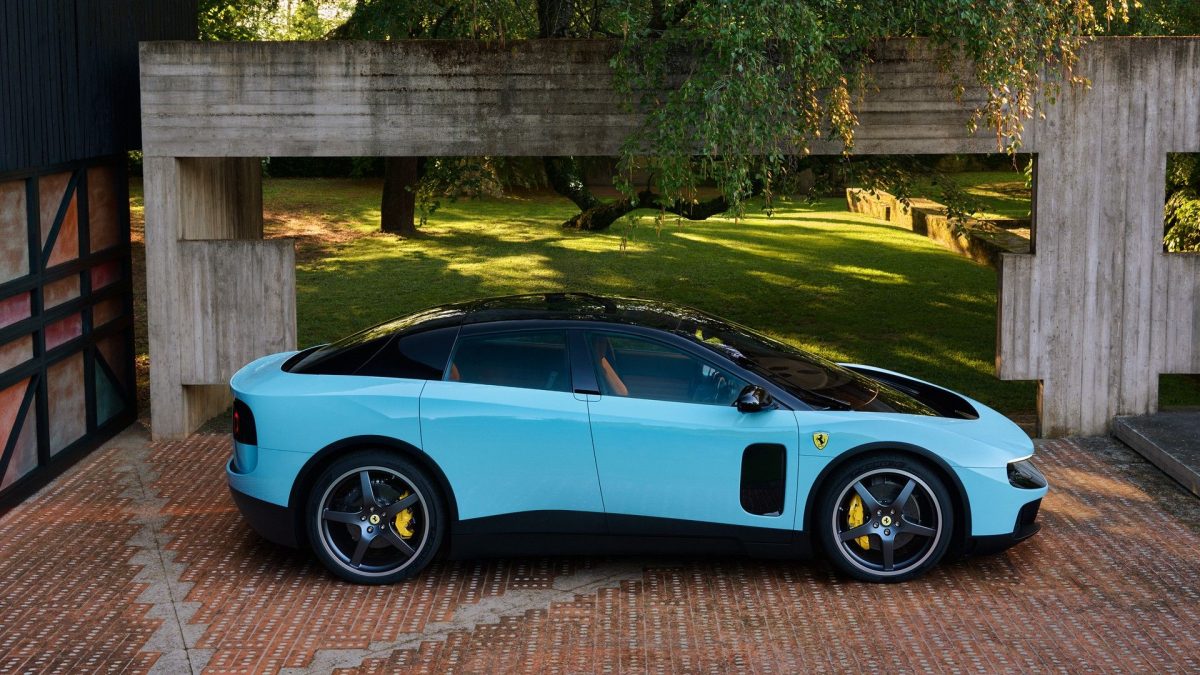
The instructor noted that the Luce’s front fascia departs from Ferrari’s traditional shield grille and quad-headlamp layout. He called the smooth, aerodynamic nose “futuristic but lacking in visceral presence.” The former designer praised the reduced overhangs and compact cabin, but criticized the rear diffuser as visually heavy, stating it “does not flow naturally from the side profile.”
The journalist pointed out that the Luce’s silhouette recalls the 1960s 250 LM in its low, long hood and short tail, yet the surface treatment feels more like a styling exercise than a production model. “It tries to be both retro and ultramodern,” he said, “and the result is a vehicle that does not fully commit to either direction.”
Implications for Brand Identity and Market Positioning
All three experts agreed that Ferrari faces a unique challenge: any departure from established design language risks alienating a base that values tradition. At the same time, staying too conservative could make the Luce look dated against competitors like the Rimac Nevera or the Lotus Evija, which embrace overtly futuristic lines.
The former designer argued that Ferrari should have used the electric platform to create a “radically new visual language” rather than adapting existing cues. The instructor countered that incremental evolution is wiser for a brand whose customers often view each model as investment assets.
Technical Context: Electric Architecture and Aerodynamics
Electric vehicles allow for flatter floors, shorter front ends, and more cabin space. The Luce reportedly uses a skateboard battery pack, which lowers the center of gravity. This changes the traditional Ferrari stance: the car sits lower and wider, but the lack of a prominent grille has led to a featureless front end that some describe as anonymous.
Ferrari also prioritized drag reduction, resulting in hidden door handles, flush surfaces, and a closed-off nose. While these elements improve range, they reduce visual cues that signal power and speed, a core aspect of earlier Ferrari designs.
The journalist summarized the consensus: “It is a competent electric GT car, but as a Ferrari, it lacks the emotional punch that comes from a design that tells a story. The Luce is technically sound, but not yet iconic.”
Next Steps and Expected Developments
Ferrari has not publicly committed to a release date for the Luce, but industry sources expect deliveries to begin in late 2025. The company will likely refine the design through customer feedback and possible special edition variants. Whether future revisions address the visual criticisms remains to be seen.
As Ferrari’s first mass-produced electric model, the Luce will set the template for subsequent EVs in the range. The reception of this design could influence how the brand balances tradition with innovation in the electric era. More detailed specifications and driving impressions are expected at official launch events later this year.