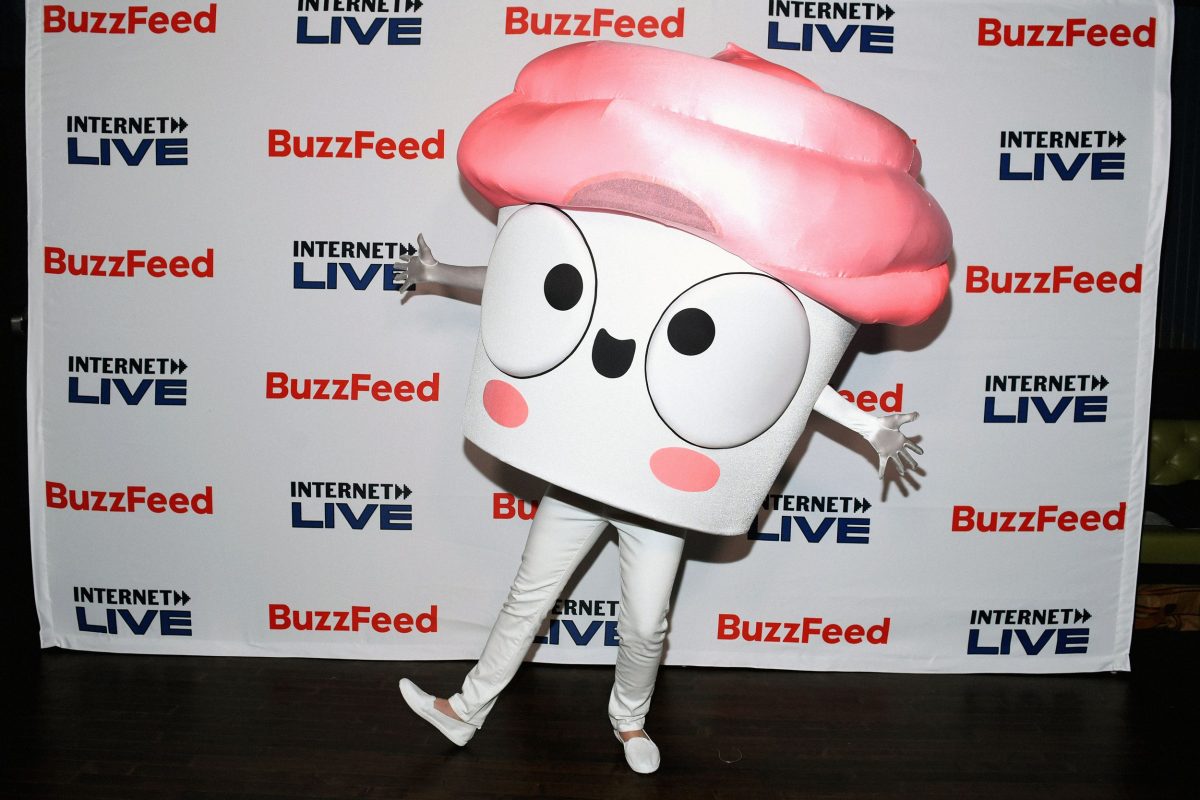

Loryn Brantz, the original creator of the popular web series The Good Advice Cupcake, has publicly expressed outrage after learning that Amazon is producing a television adaptation of her character using artificial intelligence. The project moves forward without her permission or involvement.
Background of the Dispute
Brantz originally created The Good Advice Cupcake for BuzzFeed several years ago. The short, animated segments featured a cupcake offering humorous life advice and gained significant traction on social media platforms. Under the terms of her agreement with BuzzFeed, the company retained certain rights to the character and brand.
Recently, Amazon announced plans for a new series based on the Good Advice Cupcake. However, the streaming giant intends to produce the show using generative AI tools rather than traditional animation. Brantz stated she was not consulted about the project and did not give consent for the use of her creation in this manner.
Creative and Ethical Concerns
The use of AI in animation has become a contentious issue in the entertainment industry. Many creators argue that employing AI to generate content from original works devalues human artistry and raises unresolved questions about intellectual property rights. Brantz has described the situation as a violation of her creative autonomy.
Legal experts note that the case likely hinges on the specific language of Brantz’s original contract with BuzzFeed. If the agreement broadly granted BuzzFeed the right to license the character for derivative works, Amazon’s production may be legally permissible, even if ethically disputed. However, the inclusion of AI generated content introduces new legal gray areas regarding authorship and fair compensation.
Reaction from the Industry
The announcement has drawn criticism from other animators and content creators who view the project as a precedent for using AI to bypass human creators. Several industry observers have called for clearer contractual safeguards that explicitly address the use of AI in future adaptations.
BuzzFeed has not issued a detailed public statement regarding Brantz’s objections. Similarly, Amazon has not elaborated on the specific AI tools being used or how the final series will credit the original work.
Implications for Intellectual Property
This dispute highlights a growing tension between traditional creative rights and emerging AI technologies. As more companies explore AI generated media, questions around consent, attribution, and ownership will likely become more frequent. The outcome of this situation could influence how future licensing agreements are structured.
Domain name registrars and digital rights professionals should monitor these developments closely, as they underscore the importance of precise contract language regarding new technologies. The intersection of AI and copyrighted material remains an evolving legal landscape.
As of now, no official premiere date has been announced for Amazon’s AI animated series. Brantz has indicated she is exploring her legal options but has not filed a lawsuit. Industry observers expect further commentary from both BuzzFeed and Amazon in the coming weeks as public attention on the matter intensifies.