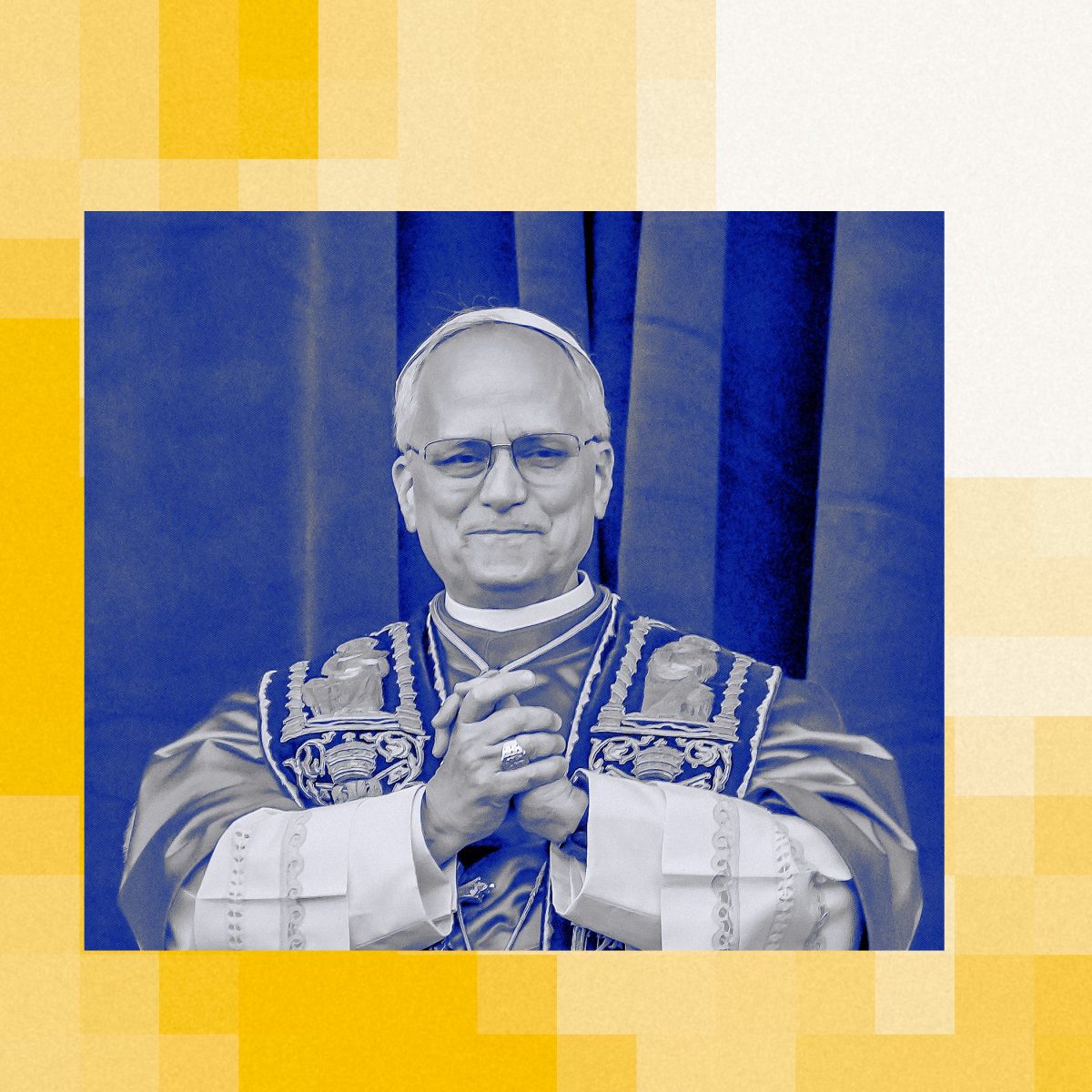

The Vatican under Pope Leo XIV has taken a notable step into the realm of artificial intelligence, establishing a direct channel with the AI company Anthropic. While the pontiff may not wield the power to disarm advanced AI systems, his involvement has captured the attention of the technology sector. This development underscores the growing intersection between religious institutions and the tech industry over the ethical implications of AI.
Background of the Vatican’s AI Outreach
The Holy See has long maintained an interest in technological ethics, dating back to earlier papal statements on digital privacy and human dignity. Pope Leo XIV’s engagement with Anthropic, the company behind the Claude AI model, represents a concrete effort to influence how AI systems are developed and governed. This move aligns with broader Vatican concerns about the potential for AI to amplify inequality or erode human agency.
Vatican officials have not publicly detailed the exact nature of the relationship. However, sources familiar with the matter indicate that the dialogue focuses on aligning AI development with Catholic social teaching, particularly principles of human dignity and the common good.
Reactions from the Industry and Observers
Industry analysts note that Anthropic, which has positioned itself as a safety focused AI company, is a logical partner for the Vatican. The company’s emphasis on responsible AI development and its “constitutional AI” approach appeal to institutions seeking ethical safeguards. Anthropic has neither confirmed nor denied the existence of a formal Vatican liaison.
Ethicists and technology scholars have responded with cautious optimism. Some argue that the Vatican’s involvement could lend moral weight to calls for stronger AI regulation. Others question whether a religious institution can effectively navigate the technical complexities of AI governance. The dialogue remains in its early stages, with no announced policy outcomes or joint statements.
Implications for AI Governance
The Vatican’s entry into AI discussions adds a new voice to a crowded field of stakeholders, including governments, tech companies, and civil society groups. While the Holy See lacks regulatory power, its moral authority could influence public opinion and frame debates around AI ethics. This is particularly relevant as the European Union finalizes its AI Act and other jurisdictions consider similar frameworks.
Technical experts point out that AI safety is not solely a religious or ethical issue but also involves concrete technical challenges, such as alignment and robustness. The Vatican’s ability to contribute meaningfully to these debates depends on its willingness to engage with technical experts and policymakers who understand the nuances of AI systems.
Expected Next Steps and Possible Developments
Looking ahead, the Vatican may release a formal document or advisory on AI ethics, building on earlier papal encyclicals that addressed technology and human dignity. Such a document could provide guidance for Catholic institutions worldwide on how to engage with AI. Additionally, Vatican representatives may participate in multilateral forums, such as the United Nations AI Advisory Body, to amplify their perspective.
Anthropic is expected to continue its existing safety research and public engagement efforts, regardless of the Vatican dialogue. The partnership, if it develops further, could lead to joint workshops or shared research on value alignment. No official timeline has been announced for any concrete outcomes. The situation remains fluid, with both parties likely gauging public and internal reactions before proceeding further.