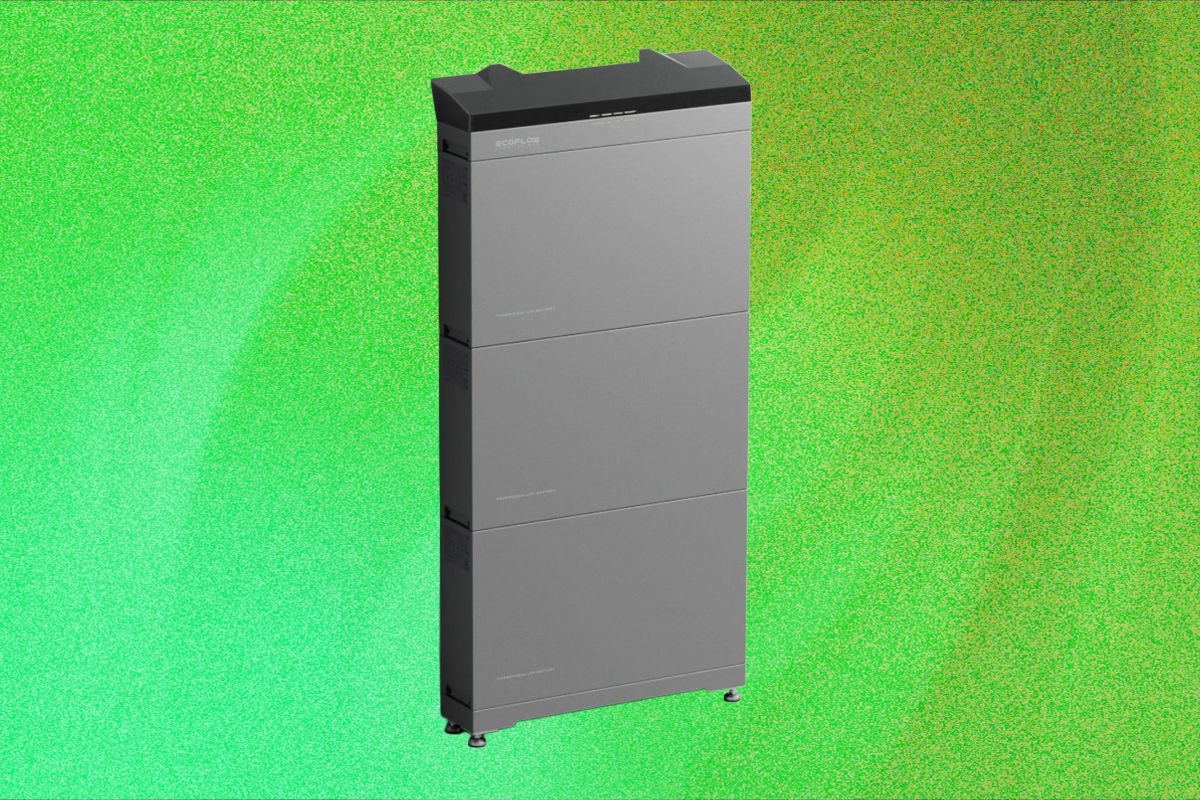

The rising cost of electricity and growing interest in energy independence have driven many homeowners to explore battery storage solutions. The EcoFlow PowerOcean is one such system designed to address multiple residential energy needs.
This home battery unit enables users to purchase electricity at lower off peak rates, store excess energy from solar panels, and maintain power during grid outages. These functions address common concerns about energy affordability and reliability.
Key Functions of the EcoFlow PowerOcean
The system operates as a stationary home battery that connects to the household electrical panel. It can store energy from the grid or from rooftop solar arrays.
By charging during periods of low electricity rates and discharging during peak demand periods, the battery can reduce overall electricity costs. The manufacturer reports that some users have seen their bills cut by approximately half under optimal conditions.
Solar Energy Storage and Backup Power
For homes with solar panels, the PowerOcean captures surplus energy generated during daylight hours. This stored power can then be used in the evening or during cloudy periods, increasing self consumption of renewable energy.
The battery also provides backup power during grid failures. It can automatically switch to battery power within milliseconds, keeping essential appliances running until grid service is restored.
Technical specifications include a modular design that allows for capacity expansion. The system uses lithium iron phosphate battery cells, which are known for safety and long cycle life.
Implications for Homeowners
The availability of such systems reflects broader shifts in residential energy management. Home battery adoption is growing as utilities adjust rate structures and as renewable energy generation expands.
Homeowners considering battery storage should evaluate their local electricity rates, solar generation potential, and outage risks. The upfront cost remains a consideration, though declining prices and available incentives are improving affordability.
The PowerOcean integrates with the EcoFlow app, allowing users to monitor energy flow and adjust settings remotely. This digital control is part of a trend toward smart home energy management.
As energy markets evolve, residential battery systems like the EcoFlow PowerOcean are likely to become more common. They represent one tool among many for households seeking greater control over their energy costs and supply.
Looking ahead, further developments in battery technology and grid integration are expected. Updates to software features and compatibility with emerging energy management standards may enhance the system’s capabilities over time.