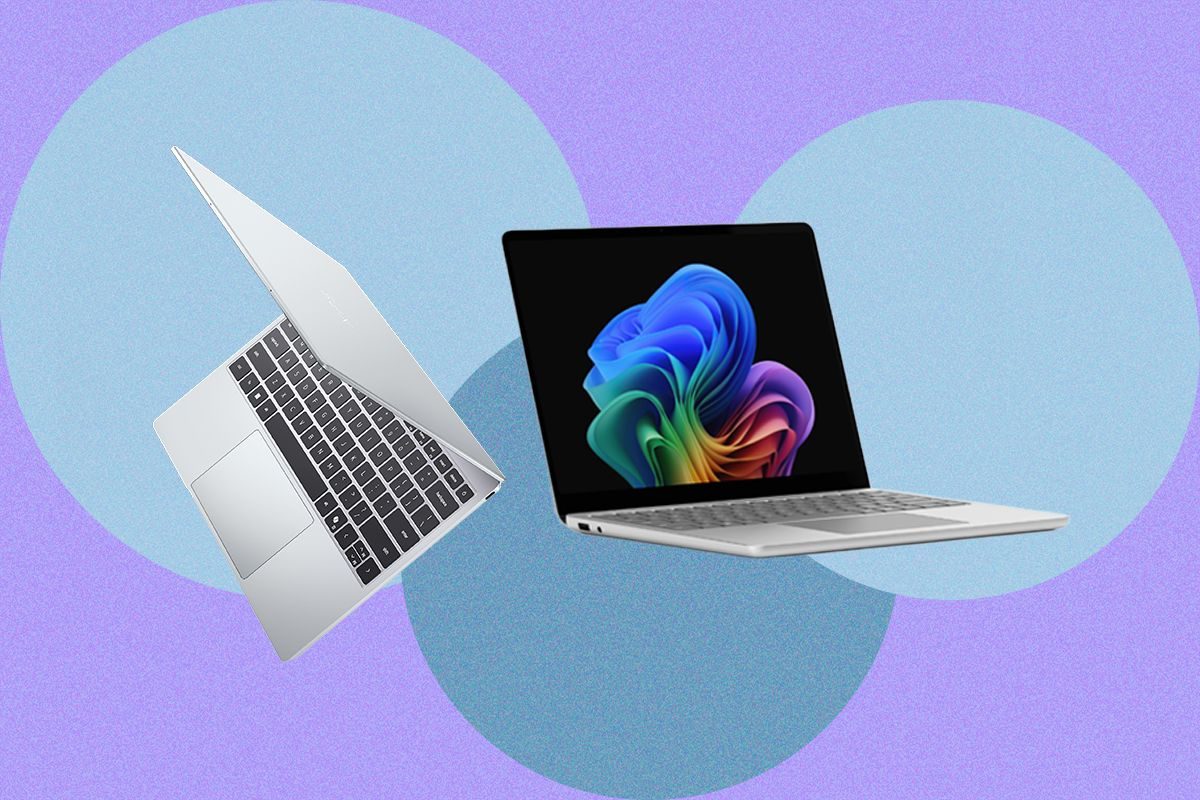

Dell, Microsoft, and other major PC manufacturers are preparing a wave of new laptops designed to challenge Apple’s MacBook Neo directly. The competitive response signals an acknowledgment of the Neo’s influence on premium ultrabook design. However, industry observers note that some rivals are missing the deeper strategic shifts that made the Neo a benchmark.
The MacBook Neo set a new standard for performance-per-watt, leveraging Apple’s custom silicon to deliver strong battery life and sustained processing power. Rival products have begun to adopt Arm-based processors or improved thermal solutions in an attempt to close the gap. Yet the primary focus of many competitors remains on incremental hardware upgrades rather than systemic integration of hardware and software.
Apple’s advantage extends beyond the chip. The company controls the operating system, the hardware design, and most of the core applications, allowing for tight optimization that third-party manufacturers cannot easily replicate. Competitors such as Dell and Microsoft rely on a combination of Windows, Intel, AMD, or Qualcomm components, which complicates efforts to achieve similar efficiency gains.
Some manufacturers are emphasizing build quality and display technology. For example, Dell’s XPS line has long been praised for its nearly bezel-less InfinityEdge display, while Microsoft’s Surface laptops offer high-resolution touchscreens and stylus support. These features appeal to creative professionals, but they do not address the fundamental power management and ecosystem lock-in that the Neo represents.
Another area where rivals fall short is software optimization. The MacBook Neo’s macOS is tailored to its specific hardware, enabling features such as instant wake, seamless cloud synchronization, and prolonged battery life even under heavy loads. In contrast, Windows-based machines must support a wide range of hardware configurations, often resulting in trade-offs in consistency and responsiveness.
Pricing also remains a point of divergence. The MacBook Neo occupies a premium bracket, and several competitors have tried to undercut it with lower-priced alternatives. However, these lower-cost models often sacrifice build quality, display quality, or processor performance, creating a mixed value proposition for buyers seeking a true alternative to the Neo.
Dell’s upcoming XPS 15 Neo competitor is said to include a redesigned chassis and an upgraded thermal system. Microsoft’s next Surface Laptop is expected to feature a custom Arm chip developed in partnership with Qualcomm. Both moves suggest a growing recognition that hardware alone is insufficient to challenge Apple’s integration model.
Yet analysts caution that without meaningful changes to the Windows ecosystem or closer alignment between operating system development and hardware design, these efforts may yield only marginal gains. The success of the MacBook Neo has demonstrated that users value a seamless, cohesive experience over raw specifications.
Looking ahead, industry watchers expect more manufacturers to invest in in-house chip development or deeper partnerships with silicon vendors. Microsoft’s Arm initiative and Google’s collaboration with Samsung on Chromebook processors indicate a broader shift toward custom silicon. Whether these efforts can challenge Apple’s advantage remains uncertain. Official timelines for the next wave of competing laptops are expected by mid-2025, with early prototypes already circulating among developers and select reviewers.