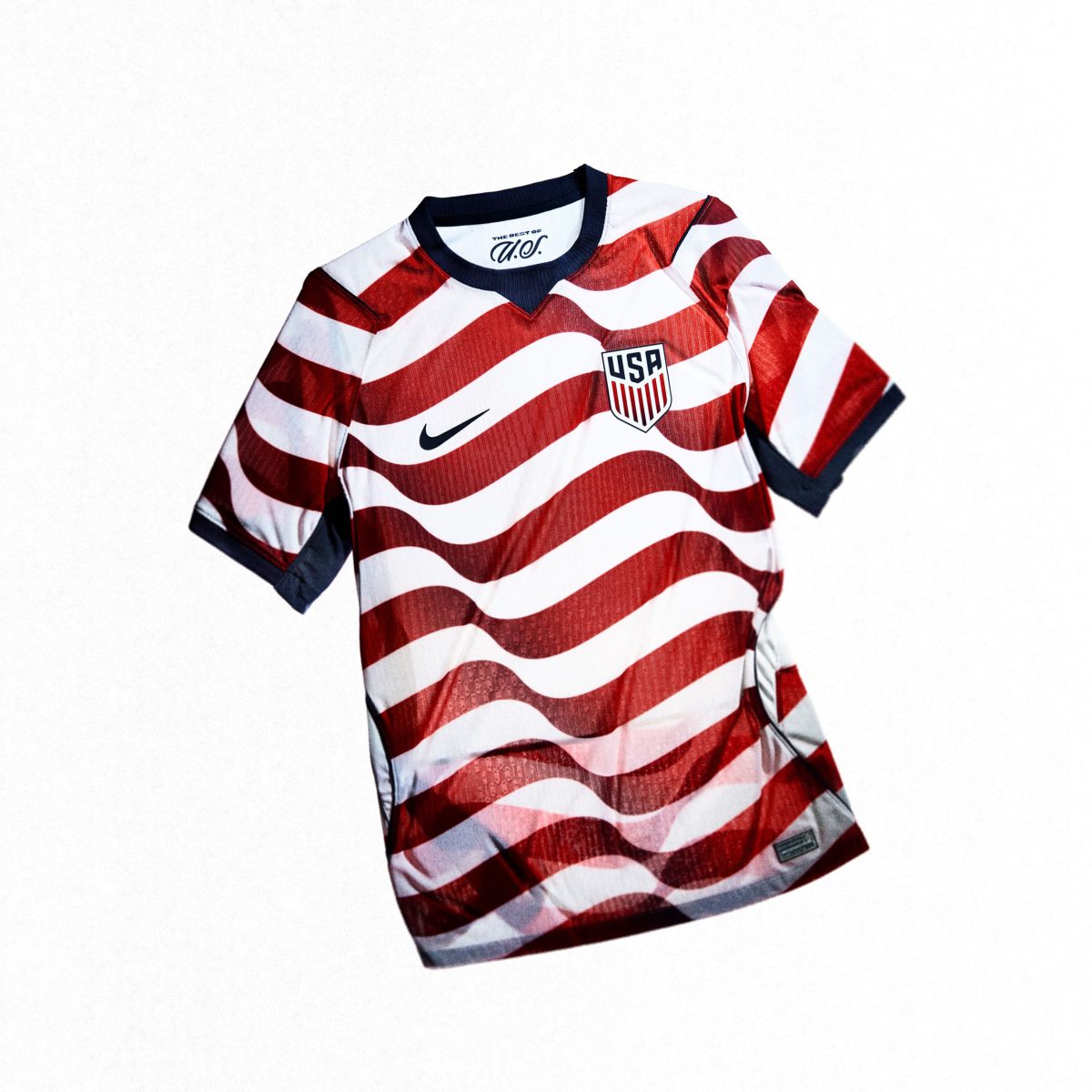

Nike has unveiled uniforms for 16 national teams competing in the upcoming World Cup, manufactured using chemically recycled textiles. The activewear giant’s initiative marks a notable step toward circular production methods in sportswear. However, industry experts caution that the technique is unlikely to address the broader fashion waste problem on its own.
The jerseys are produced through chemical recycling, a process that breaks down used fabrics into their molecular components to create new fibers. This approach differs from mechanical recycling, which shreds textiles into shorter fibers often resulting in lower quality materials. Chemical recycling can theoretically produce fibers of virgin-like quality, allowing garments to be recycled repeatedly.
Nike has not disclosed the exact percentage of recycled content in the World Cup kits or the specific source materials used. The company stated that the uniforms meet performance standards required for elite competition while reducing reliance on virgin polyester. Environmental groups have welcomed the move but note that chemical recycling remains energy intensive and expensive compared to conventional polyester production.
Scale and Impact of Fashion Waste
The global fashion industry produces an estimated 92 million tons of textile waste annually, according to the Ellen MacArthur Foundation. Less than one percent of used clothing is recycled into new garments, with the vast majority ending up in landfills or incinerators. Synthetic fibers, particularly polyester, dominate athletic wear and are derived from fossil fuels.
Nike’s use of chemical recycling for World Cup jerseys addresses only a fraction of this waste stream. The company produced kits for 16 teams, representing a relatively small volume compared to its overall annual output. Activists argue that reducing overall production volume and designing for durability remain more impactful strategies than recycling alone.
Technical and Economic Barriers
Chemical recycling faces several hurdles to widespread adoption. The process requires specialized facilities capable of handling mixed fiber blends and removing dyes and finishes. Current infrastructure is limited, with only a handful of commercial scale plants operating globally. The cost of chemically recycled polyester can be two to three times higher than virgin polyester, limiting its use to premium products or marketing initiatives.
Nike has not announced plans to extend chemical recycling to its broader product lines or to other World Cup related merchandise. The company has set a target of using 100 percent recycled polyester in its products by 2025, though this includes mechanically recycled materials. Critics note that mechanical recycling degrades fiber quality over time, leading to downcycling into lower value applications.
Broader Industry Context
Other sportswear brands have also explored recycled materials for tournament uniforms. Adidas used ocean plastic in its 2022 World Cup kits, and Puma has introduced recycled polyester in select collections. None of these efforts have achieved circularity at scale, where garments are continuously recycled without quality loss. The fashion industry lacks standardized collection systems and recycling infrastructure to support true circularity.
Environmental groups have called for policy measures to complement industry initiatives. Proposed solutions include extended producer responsibility laws, mandatory recycled content quotas, and investments in collection and sorting infrastructure. Without such systemic changes, incremental improvements like Nike’s chemically recycled jerseys may remain niche efforts.
Looking ahead, the World Cup uniforms will be produced and distributed ahead of the tournament. Nike has not provided a timeline for expanding chemical recycling to other products or for publishing lifecycle assessment data on the jerseys. Observers expect continued pressure on brands to demonstrate measurable reductions in waste and emissions, beyond marketing focused sustainability claims.