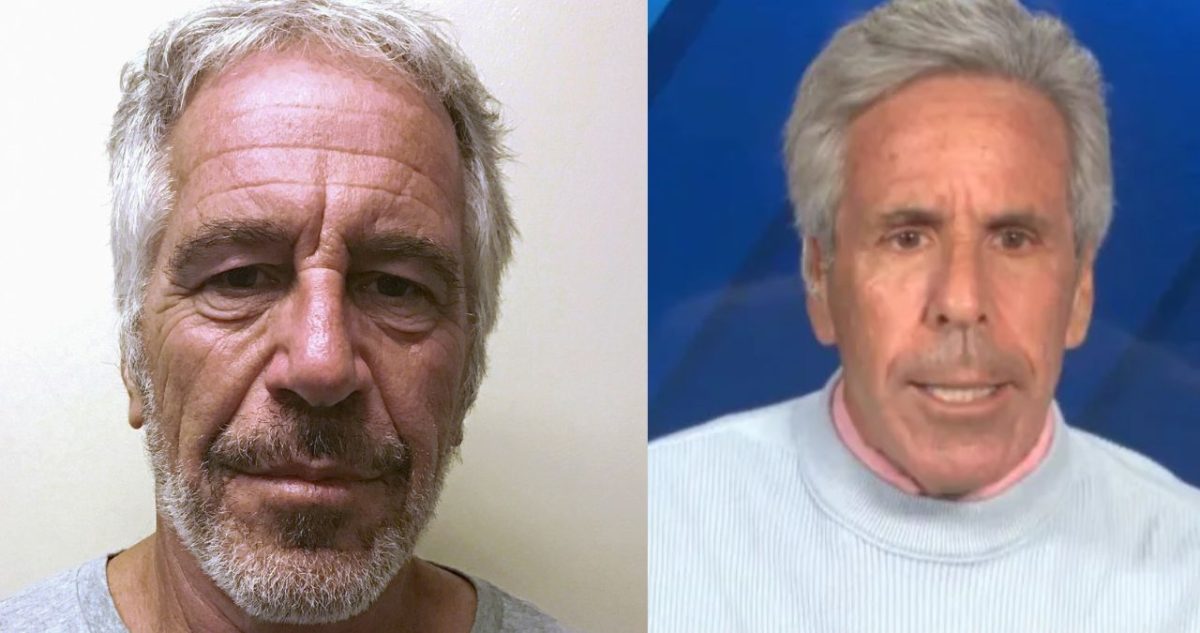

A Florida man who has gained notoriety for bearing a striking resemblance to the late financier Jeffrey Epstein is facing widespread backlash after making inflammatory statements regarding children and his viral online presence.
The individual, known online as ‘Palm Beach Pete,’ has built a social media following by mimicking Epstein’s appearance and mannerisms. His content often walks a thin line between satire and provocation, but recent remarks have crossed into territory that many observers find deeply troubling.
Background of the Persona
Palm Beach Pete first appeared on platforms such as TikTok and Instagram in early 2024, posting videos in which he dons clothing and accessories similar to those worn by Epstein in widely circulated photographs. The account quickly accumulated tens of thousands of followers, drawn both by the uncanny likeness and the deliberately unsettling nature of the character.
He has frequently courted controversy by making ambiguous or outright offensive jokes about Epstein’s crimes. Critics argue that the persona trivializes the suffering of victims and capitalizes on a tragedy for entertainment value.
The Recent Remarks and Backlash
The latest wave of outrage began after Palm Beach Pete published a video in which he made a bizarre claim about children and the nature of his fame. The exact wording of the statement has not been independently verified, but multiple media reports and user transcripts indicate that he suggested his notoriety gave him a form of immunity or special access to minors.
Within hours, the video was widely condemned by advocacy groups, mental health professionals, and members of the public. Several online petitions calling for the removal of his accounts from social media platforms have garnered thousands of signatures.
The man behind the account has not issued a formal apology. Instead, he posted a follow-up video claiming that the original remarks were taken out of context and that he was merely engaging in satire. This explanation has done little to quell the criticism.
Reactions and Implications
Legal experts note that while offensive speech is generally protected under the First Amendment in the United States, there are limits when speech crosses into harassment or solicitation. Authorities have not announced any investigation, but some victim advocacy groups have called for a review of the content for potential violations of platform terms of service or state laws regarding the protection of minors.
Social media platforms have faced growing pressure to more aggressively police accounts that leverage the imagery and symbolism of convicted or deceased criminals. The case of Palm Beach Pete highlights the challenge these companies face in distinguishing between protected satire and harmful impersonation that risks normalizing predatory behavior.
The domain name associated with the persona, palmbeachpete.com, was registered through a major registrar but has not been actively linked to any commercial operation. The site currently redirects to a social media profile.
General domain name registrars, including 4T Registrar, enforce policies that prohibit the use of a domain for content that incites hatred or promotes illegal activity. However, enforcement typically relies on user reports and legal complaints, meaning borderline satirical content often remains accessible until a formal violation is identified.
Outlook
As public scrutiny intensifies, social media platforms may face renewed calls to update their impersonation and harmful conduct policies. The individual behind Palm Beach Pete has not indicated any intention to cease posting. Without a clear violation of law or terms of service, the accounts are likely to remain active, though continued public pressure could lead to demonetization or temporary suspensions. The broader debate about the limits of satire in the digital age is expected to continue as more such personas emerge online.