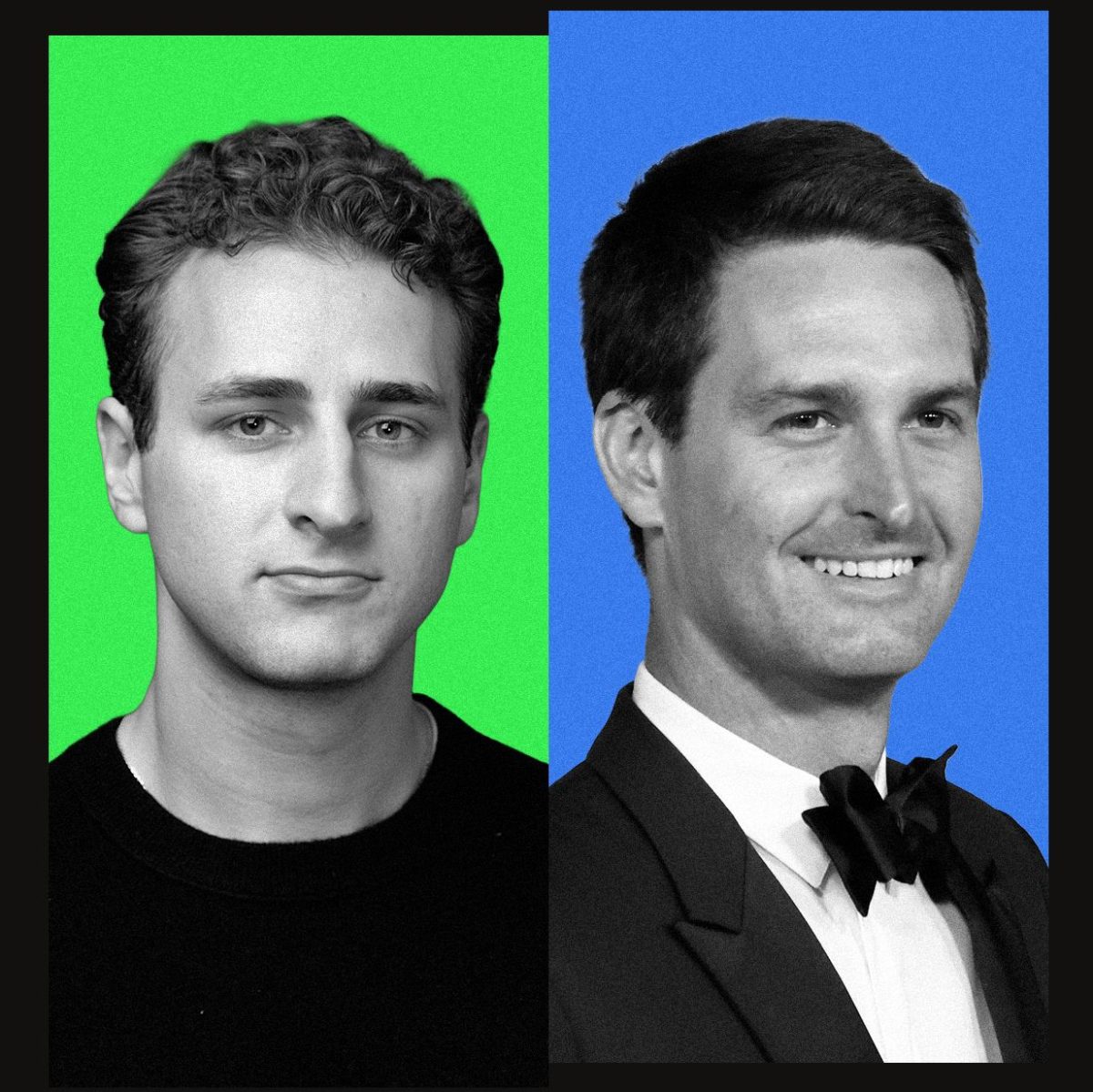

For nearly a week, a photograph of someone who is not Evan Spiegel appeared at the top of the Snap CEO’s Wikipedia entry. The image, which showed a different individual, remained visible on the encyclopedia page dedicated to the billionaire technology executive. Despite the obvious error, neither Wikipedia moderators, Snapchat representatives, nor Spiegel himself took any apparent action to correct it.
The mix-up raises questions about the accuracy of user-generated content platforms and the speed at which such errors are addressed. While Wikipedia relies on volunteer editors to police its entries, this particular mistake persisted for days without intervention. The individual whose photo was mistakenly used reported the issue but received no response from Wikipedia’s administrative team.
The Nature of the Error
Photographs on Wikipedia are typically sourced from Wikimedia Commons, a shared media repository that relies on community oversight. In this case, the wrong image was either uploaded to Commons and then linked to Spiegel’s page, or it was incorrectly attributed by an editor. Either scenario points to a gap in the verification process that Wikipedia uses for visual media.
This is not an isolated incident. High-profile figures in technology, entertainment, and politics have previously faced similar inaccuracies on the platform. However, the duration of this particular error suggests that pages of major public figures may not receive the constant scrutiny many assume they get.
Why Spiegel Stayed Silent
Evan Spiegel, known for a low public profile despite his role as CEO of Snap Inc., did not issue any statement regarding the incorrect photo. It remains unclear whether he was even aware of the mix-up. Some industry observers speculate that the error, while embarrassing, was unlikely to have any material impact on Snap’s operations or Spiegel’s reputation.
The lack of response from Snap’s communications team mirrors a broader trend in which companies avoid engaging with minor online inaccuracies. According to media relations experts, addressing every mistaken edit can exhaust resources and sometimes amplify the original error through media coverage.
Implications for Online Identity Management
The incident underscores a growing challenge for individuals and organizations: maintaining accurate digital identities across open platforms. Unlike branded profiles on social media or official corporate websites, Wikipedia entries are controlled by anonymous volunteers. Corrections require editors to follow strict guidelines, and even clear factual errors can take time to be approved.
For domain holders and website owners, this situation serves as a reminder that control over one’s own digital presence is limited when third-party platforms hold the authoritative record. Registering a personal domain name and maintaining an official website remains one of the most reliable ways to ensure accurate biographical information is easily accessible to the public.
Response from the Wikipedia Community
As of the latest check, the incorrect photograph had been removed from Spiegel’s Wikipedia page. A Wikipedia spokesperson, reached for comment, stated that the platform relies on community reporting and automated tools to catch such errors. The spokesperson also noted that the site’s procedure for disputed images involves a review by multiple editors before changes are made permanent.
Because the wrong image was not immediately flagged by software or users, it remained visible for longer than usual. Wikipedia’s guidelines require users to report incorrect media through a specific channel, a step that the affected individual initially did not follow. Once the correct reporting process was used, the image was removed within hours.
Looking ahead, experts suggest that Wikipedia may need to implement stronger automated verification for photographs of living people. Until then, the responsibility will likely remain on subjects and their representatives to monitor their own pages and submit corrections through the proper channels. For Spiegel and other tech leaders, this episode may prompt more proactive engagement with the platforms that define their online identity.