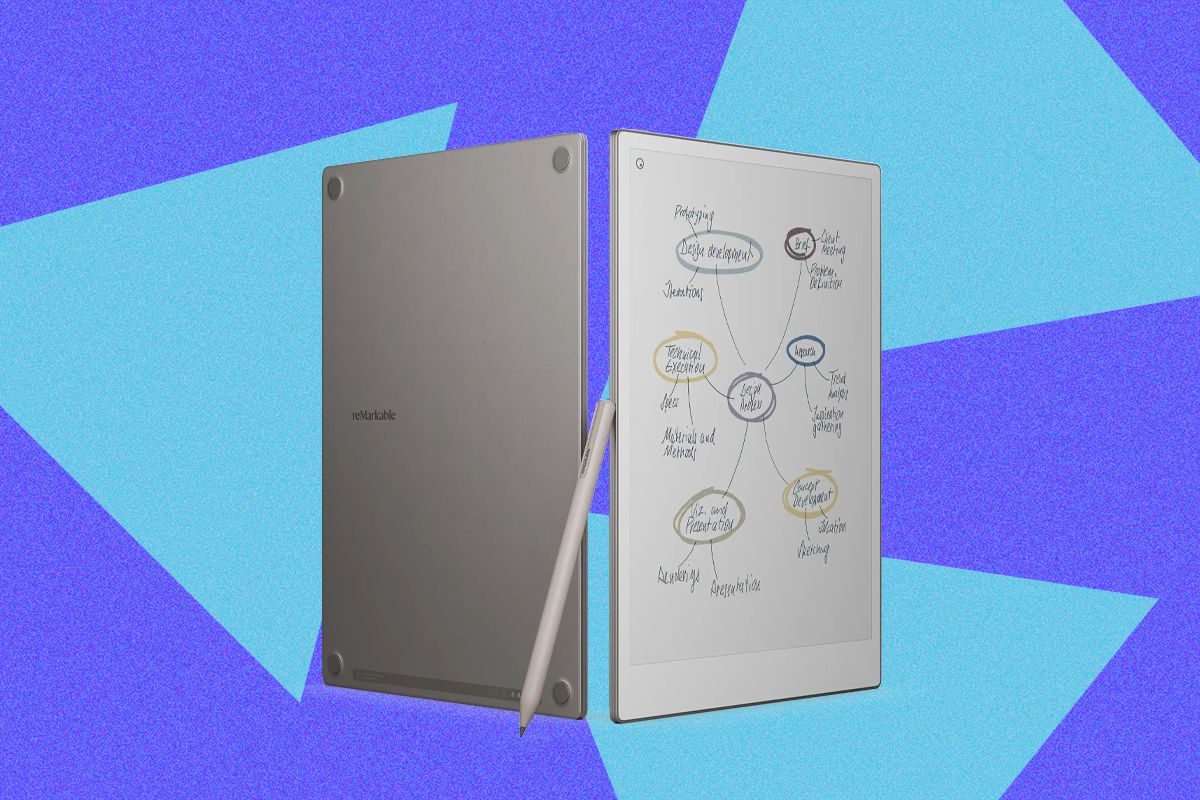

Digital notebooks have emerged as a practical bridge between traditional pen and paper and modern digital workflows. These devices allow users to handwrite notes, sketch ideas, and annotate documents while automatically saving everything in a digital format.
The market now offers several mature options, each with distinct strengths. Below is a factual overview of six prominent digital notebooks currently available.
ReMarkable 2
The ReMarkable 2 remains a top choice for users seeking a paperlike writing experience. Its monochrome E Ink display and textured surface mimic the feel of writing on a physical notebook.
The device runs a custom Linux based operating system designed for minimal distractions. It supports PDF annotation, note organization, and cloud synchronization. The latest software updates have improved handwriting conversion to text and added a more robust file management system.
Kobo Elipsa 2E
Kobo’s Elipsa 2E functions as both an e reader and a digital notebook. It features a larger 10.3 inch screen and supports stylus input for note taking and document markup.
Users can write directly on EPUB and PDF files. The device integrates with the Kobo Store for ebook purchases but also handles sideloaded content well. Its note taking capabilities are adequate for basic meeting notes and academic reading.
Kindle Scribe
Amazon’s Kindle Scribe combines the familiar Kindle e reading platform with basic note taking features. Users can write in digital notebooks or directly on the pages of ebooks.
The Scribe supports sticky notes for quick annotations and has a dedicated notebook app. Recent firmware updates added better pen responsiveness and new template options. However, advanced organizational features remain limited compared to dedicated notebooks.
Supernote A5X
Supernote devices emphasize organizational tools and a non glare writing surface. The A5X uses a unique feelwrite film that reduces pen resistance while providing clear contrast.
Its software includes a keyword system for quickly locating notes and a digest feature for annotating documents. The device supports multiple file formats and offers cloud backup options. Supernote has a reputation for regular software updates based on user feedback.
Boox Note Air3
The Boox Note Air3 runs a full Android operating system, giving it broader app support than most competitors. Users can install note taking apps, e reading platforms, and productivity tools.
Its color E Ink display allows for highlighting in different colors and viewing basic graphics. The device includes a front light and supports both stylus and touch input. This flexibility makes it suitable for users who want a multifunctional device beyond simple note taking.
Lenovo Smart Paper
Lenovo entered the digital notebook space with the Smart Paper, a device designed for professionals. It features a 10.3 inch E Ink display and a textured writing surface.
The Smart Paper includes handwriting to text conversion, document annotation, and cloud sync capabilities. Lenovo has positioned it as a productivity tool for the workplace, emphasizing integration with existing document workflows. Its build quality and battery life are competitive with other premium options.
Experts recommend that buyers consider their primary use case before purchasing. Those who value a pure writing experience may prefer the ReMarkable or Supernote. Users who need a combination of reading and note taking might lean toward the Kobo or Kindle. The Boox and Lenovo offerings appeal to those requiring broader software flexibility.
As digital notebook technology matures, manufacturers continue to refine handwriting recognition, file synchronization, and battery efficiency. The next generation of devices will likely focus on deeper integration with desktop and mobile applications, alongside improvements in color E Ink technology for richer note taking and document viewing.