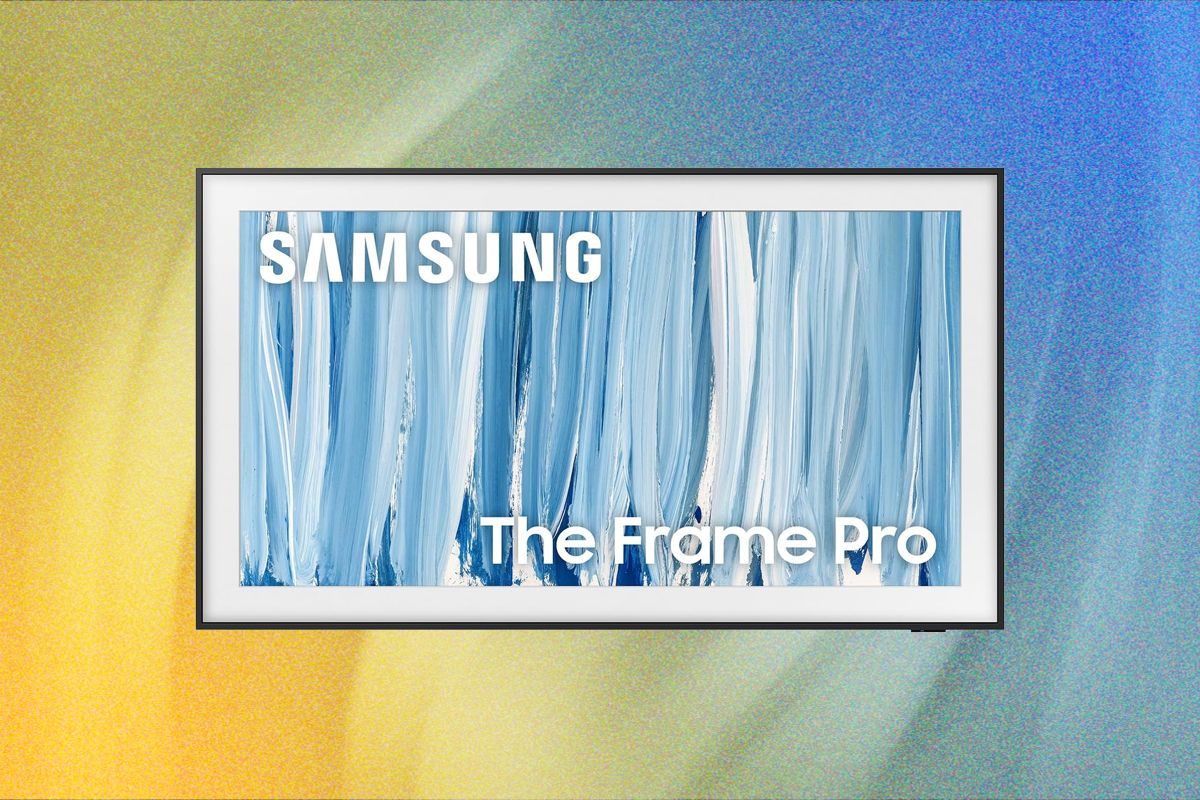

The television has long been a functional object, a device turned on for specific content and turned off when not in use. In recent years, however, a new category of displays has emerged: art televisions. These devices are designed to remain visually appealing even when they are not playing movies or shows, effectively transforming into a piece of wall decor.
Art televisions typically feature a slim profile, a matte screen finish to reduce glare, and a dedicated art mode. When activated, this mode displays high-resolution images of paintings, photographs, or digital artwork, often with an ambient light sensor that adjusts brightness to mimic the appearance of a framed print. The goal is to create a device that blends into a living space rather than dominating it with a black rectangle when powered down.
Design and Aesthetic Integration
The primary innovation in this segment lies in the visual integration of technology into home environments. Manufacturers have focused on bezel design, often offering interchangeable frames in wood, metal, or neutral colors. These frames allow the television to resemble a traditional art frame when the screen is in art mode. Some models also include motion sensors that activate the art display only when someone enters the room, conserving energy and preventing image burn-in.
From a technical standpoint, these televisions use advanced display panels, typically QLED or OLED, to achieve high color accuracy and wide viewing angles. The matte finish is critical because it diffuses ambient light, reducing reflections that would otherwise break the illusion of a canvas or paper print. This combination of hardware and software seeks to solve a long standing problem: the unattractive blank screen of a turned off television.
Content and Customization Options
A key feature of art televisions is the built in library of curated artwork. Users can select from categories such as classical paintings, modern art, photography, or even video art loops. Some platforms offer a subscription service that provides access to a rotating collection from museums and independent artists. Customization extends to personal photo uploads, enabling users to display family photos or personal collections in the same art mode format.
The user interface for selecting and arranging artwork is typically managed through a dedicated app or the television’s smart platform. It allows scheduling, grouping images into playlists, and adjusting the transition timing. This turns the television into a dynamic gallery that can change according to the time of day or the user’s mood.
Market Context and Audience
Art televisions occupy a niche at the intersection of consumer electronics and interior design. They appeal to homeowners, apartment dwellers, and design conscious consumers who want the functionality of a large screen without sacrificing aesthetic harmony. The price point is generally higher than standard televisions of comparable size, reflecting the specialized hardware, matte display, and curated content libraries.
Major electronics brands have entered this space, with models ranging from 32 inches to 85 inches. The target audience includes professionals, art enthusiasts, and anyone who values the look of a space when the screen is not in active use. The device’s ability to switch seamlessly between entertainment mode and art display makes it a versatile addition to living rooms, bedrooms, or even offices.
As the technology matures, the distinction between a television and a digital art frame is likely to blur further. Consumers should consider factors such as screen resolution, color accuracy, frame customization options, and the availability of art subscriptions when evaluating models. The decision often comes down to how much the device is used for traditional viewing versus its role as a decorative object.
Looking ahead, the development of art televisions is expected to continue along two paths: improvements in display technology that further mimic real textures, such as canvas or watercolor paper, and broader partnerships with artists and museums for exclusive content. Some manufacturers are exploring ambient modes that use AI to generate artwork based on the room’s color palette or the user’s preferences. The segment is likely to expand as display costs decrease and awareness of the category grows, making it a standard option for those who see their television as more than just a screen.