
A sophisticated hack-for-hire operation, believed to be linked to a threat actor associated with the Indian government, has targeted a range of individuals across the Middle East and North Africa. According to a joint report from digital rights organizations Access Now, Lookout, and SMEX, the campaign focused on journalists, activists, and government officials.
The investigation identified several high-profile targets. Among them were two prominent Egyptian journalists and critics of the government, Mostafa Aaser and Ismail Alexandrani. Their inclusion underscores the campaign’s apparent intent to surveil and silence critical voices.
Technical Analysis and Attribution
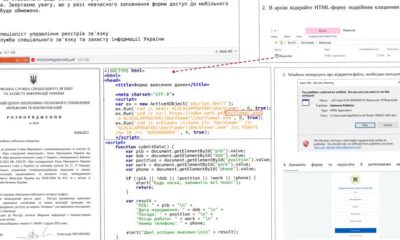
The campaign, which researchers have named “Bitter,” employed advanced social engineering techniques. Attackers sent highly personalized phishing emails designed to appear as legitimate communications from trusted entities, such as media outlets or human rights organizations.
These emails contained malicious links or attachments. Once clicked or opened, they would deploy spyware capable of harvesting sensitive data from the victim’s device. This includes contacts, messages, location data, and audio recordings.
While the report stops short of definitive government attribution, it notes strong circumstantial evidence. The technical infrastructure, malware code similarities, and targeting patterns align with previous activities publicly linked to Indian state-sponsored groups. The Indian government has consistently denied involvement in such offensive cyber operations.
Implications for Digital Security
This incident highlights a growing and troubling trend: the commercialization of state-level surveillance tools. Hack-for-hire services lower the barrier for entities wishing to conduct sophisticated digital espionage without developing in-house capabilities.
For journalists and activists, especially in regions with press freedom challenges, the threat is acute. Compromised devices can reveal sources, expose unpublished work, and endanger personal safety. The erosion of digital security directly threatens the practice of independent journalism.
The report emphasizes that such campaigns exploit fundamental trust in digital communication. The personalized nature of the phishing attempts makes them exceptionally difficult for even cautious users to detect consistently.
Regional and Global Context
The targeting of individuals across the MENA region fits a broader pattern of transnational digital repression. Governments and other powerful actors increasingly use cyber tools to monitor dissent beyond their own borders.
This case also raises significant questions about international norms and accountability in cyberspace. The alleged involvement of a state actor in targeting foreign journalists could be viewed as a violation of principles protecting freedom of expression and the press.
Digital rights advocates argue that the proliferation of these tools necessitates stronger international frameworks and more robust technical assistance for at-risk communities.
Based on the available evidence, researchers expect the threat actor behind the Bitter campaign to continue its operations. The group’s infrastructure and tactics are likely to evolve in response to public disclosures and improved security measures.
Further technical indicators of compromise are expected to be published by the reporting organizations. This will allow network defenders and potential targets to better identify and block future attack attempts. Legal and diplomatic responses from affected countries remain uncertain but are being closely monitored by civil society groups.