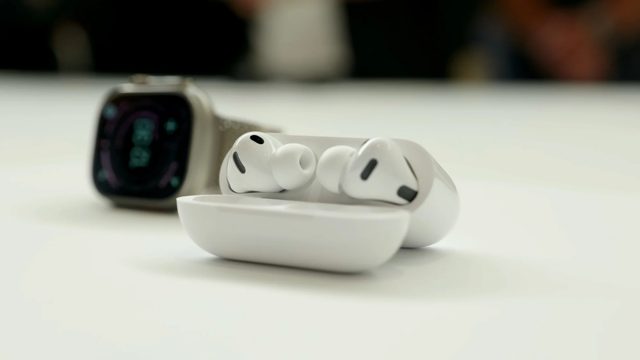

Apple is reportedly developing a premium version of its popular wireless earbuds, tentatively referred to as AirPods Ultra, which would incorporate built-in cameras. This development would mark a significant expansion of the AirPods product line beyond audio functionality.
Purpose of Integrated Cameras
The primary purpose of the inbuilt cameras is to enhance Siri’s contextual awareness, according to sources familiar with the project. By capturing visual data from the user’s environment, the cameras could allow Siri to better understand and respond to spoken commands and queries.
For example, a user might ask Siri about an object in front of them without needing to pull out an iPhone or iPad. This feature would enable a form of hands-free, visually aware assistance that current AirPods cannot provide.
Technical Considerations and Challenges
Integrating cameras into a compact earbud form factor presents notable engineering hurdles. The cameras would need to be extremely small and low-power while maintaining sufficient image quality for machine vision tasks. Apple has a track record of miniaturizing components in products like the AirPods Pro and AirPods Max.
Battery life and heat dissipation are other concerns. Adding a camera module, image processor, and additional wireless data transfer capabilities could place significant demands on the tiny battery inside each earbud. Apple’s custom silicon chips, such as the H-series processors, may be adapted to handle these tasks efficiently.
Potential Applications Beyond Siri
If the cameras prove successful, use cases could extend beyond voice assistant interactions. The earbuds might support real-time object recognition for accessibility features, such as describing surroundings to visually impaired users. They could also enable gesture-based controls, where a user’s hand movements in the camera’s field of view trigger actions like pausing music or answering calls.
Privacy implications will likely be a central focus for Apple. The company has historically emphasized on-device processing and user data protection. Any camera-equipped AirPods would probably include physical indicators, such as an LED, to signal when the camera is active, and process visual data locally rather than in the cloud.
Expected Launch Window
No official launch date has been announced by Apple. Industry analysts suggest the AirPods Ultra are still in early development and may not arrive until late 2025 or 2026 at the earliest. Market speculation indicates that Apple is prioritizing reliability and battery performance before committing to a production timeline.
Given the typical development cycle for new Apple product categories, a formal announcement could occur at a dedicated hardware event, possibly during the fall of next year. However, delays are possible if technical or regulatory hurdles arise, particularly regarding camera privacy laws in various jurisdictions.
As of now, consumers should not expect immediate availability. Apple’s focus remains on refining the technology to meet its internal quality standards. The company has not responded to requests for comment on these reports.
Looking ahead, the AirPods Ultra could represent a new category of wearable computing, blending audio output with environmental sensing capabilities. The success of this device will likely depend on how well Apple balances innovation with user privacy, battery life, and overall usability. Observers will be watching for more concrete details in upcoming developer conferences or patent filings.