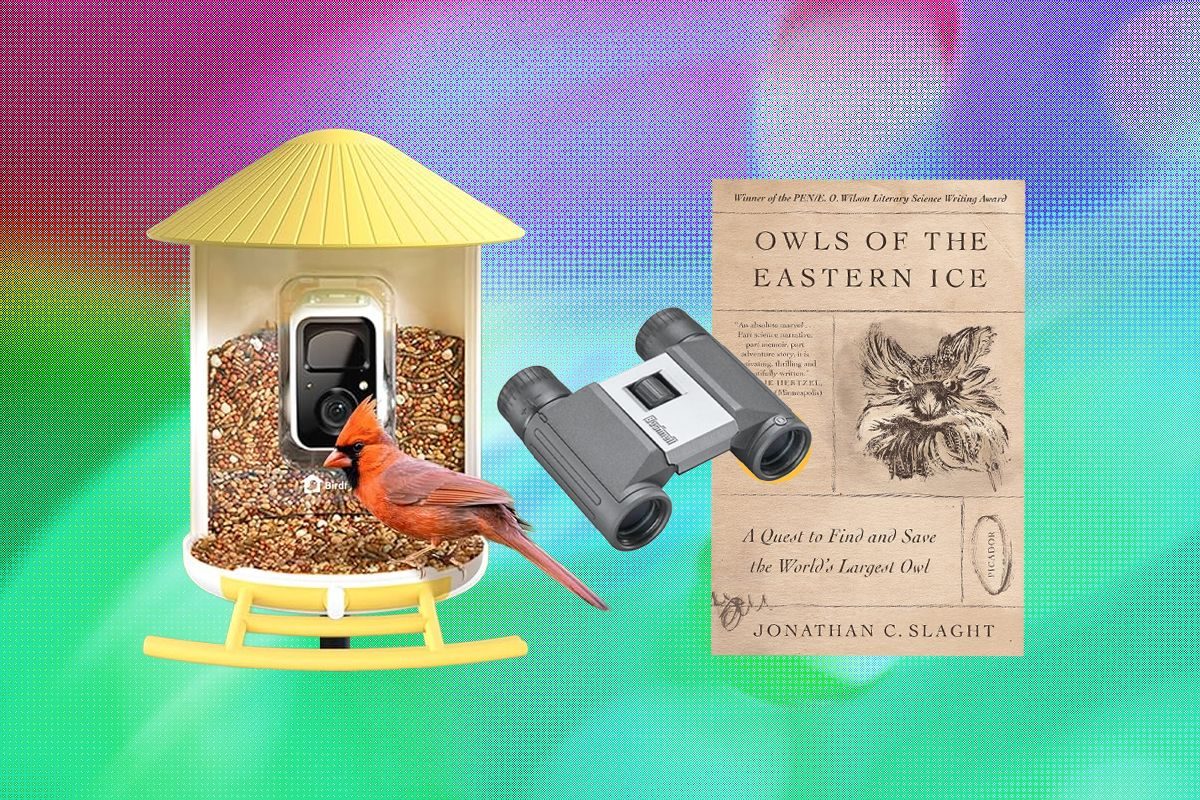

Selecting a gift for someone passionate about birds requires consideration of their specific interests. Enthusiasts often fall into distinct categories, such as those drawn to bird feeding, field identification, or avian themed games and puzzles. Understanding these preferences helps ensure the gift is both practical and appreciated.
For individuals focused on feeding, high quality feeders, seed mixes, and water features are common priorities. Products designed to minimize waste and resist squirrel interference tend to receive positive feedback from experienced hobbyists. Similarly, field guides remain a staple for birders who enjoy identifying species during outings. Modern guides now include digital components, offering audio calls and range maps that enhance traditional printed content.
Games and educational materials also hold appeal. Board games, card decks, and mobile applications that focus on bird recognition or conservation topics can engage both novices and experts. These items often serve as conversation starters and encourage group participation.
When evaluating these product categories, editorial tests typically assess durability, accuracy of information, and overall user experience. Feeder designs are examined for ease of cleaning and weather resistance. Field guides are judged on the completeness of species lists and clarity of illustrations. Games are reviewed for rule simplicity and replay value.
It is important to note that no single gift works for all bird enthusiasts. Personal tastes vary, and some individuals may prefer advanced equipment such as spotting scopes or camera lenses for bird photography. Others might value memberships to local birding organizations or donations to conservation funds.
Pricing across these categories ranges widely. Basic feeders and field guides can be found at modest cost, while high end optics and specialty feeders represent significant investments. Buyers should consider the recipient’s current equipment and depth of interest before making a selection.
Manufacturer reputation also plays a role. Brands with long histories in ornithology supplies often provide better customer support and replacement parts. Independent reviews from birding communities can offer additional insight beyond product descriptions.
Seasonal factors influence gift appropriateness. Winter feeders are designed to withstand cold temperatures and snow, while summer options prioritize ventilation and insect resistance. Field guides for migratory bird seasons may be more useful than general titles.
For those seeking neutral guidance, consulting with local bird clubs or nature centers can yield region specific recommendations. These organizations often maintain lists of preferred products based on member experiences.
Ultimately, the most successful gifts align with the recipient’s established habits. Observing whether they spend more time watching backyard birds or traveling for rare species can narrow the options significantly. The following considerations are expected to remain relevant as new products enter the market.