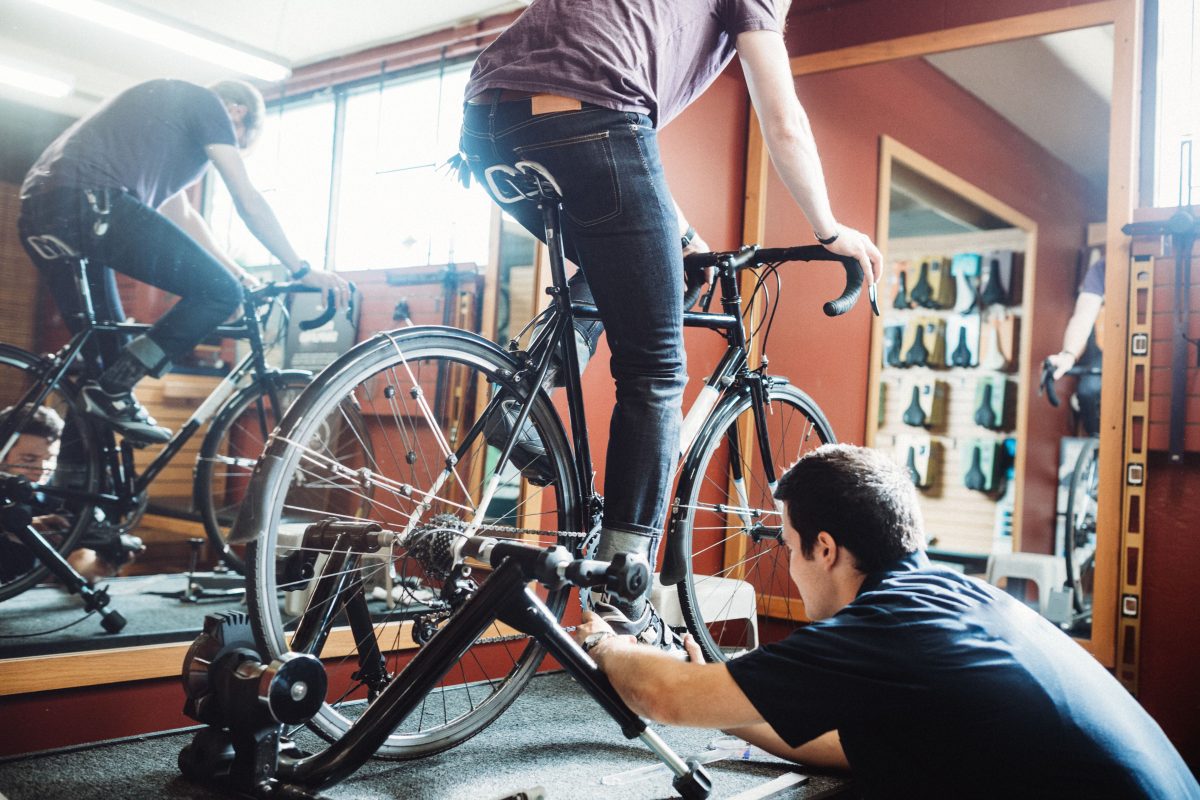

A professional bike fitting involves a detailed assessment of a rider’s body measurements, flexibility, and riding style. The process aims to optimize the cyclist’s position relative to the bicycle’s components, including the saddle height, handlebar reach, and cleat alignment.
According to cycling biomechanics experts, proper bike fitting can reduce the risk of common overuse injuries such as knee pain, lower back strain, and numbness in the hands or feet. The adjustments are based on individual anatomical differences and the specific type of riding, whether road cycling, mountain biking, or commuting.
Riders who log significant weekly mileage often find the investment in a professional fitting worthwhile. Fit specialists use tools such as video motion capture, pressure mapping, and goniometers to measure joint angles and pedal stroke efficiency. These data points allow for precise modifications that improve power transfer and aerodynamic posture without sacrificing comfort.
Key Components of a Professional Bike Fit
The fitting process typically begins with an interview about the cyclist’s goals, history of discomfort, and typical riding duration. Measurements include leg length, torso length, arm length, and foot size, which are then cross referenced with the bicycle’s frame geometry.
Saddle height and fore-aft positioning are adjusted to ensure the knee remains at a safe angle during the pedal stroke. Handlebar height and reach are modified to distribute weight evenly and maintain a neutral spine. If the rider uses clipless pedals, cleat position is optimized to align the foot naturally and prevent hot spots or knee tracking issues.
Some fittings also involve flexibility and core strength tests to identify limitations that may affect posture. The specialist may recommend specific stretches or strengthening exercises as a complement to the physical adjustments.
Who Benefits Most from Professional Fitting
Competitive cyclists and endurance riders often see measurable gains in comfort and efficiency after a fitting. However, casual riders and those with pre-existing injuries also benefit from reduced discomfort and more enjoyable rides. The fitting can be performed on any bicycle type, including road, mountain, hybrid, and touring styles.
Children and new cyclists may also receive fitting advice to establish good riding habits early. The cost of a professional fitting varies by location and service depth, ranging from 100 to 400 dollars typically. Many shops include follow up adjustments within a warranty period.
Several studies cited in sports medicine literature indicate that even small changes in saddle setback or handlebar drop can significantly affect oxygen consumption and perceived exertion during sustained effort.
The global demand for personalized fitness and sports science services has contributed to growing interest in professional bike fitting. As e-bike adoption rises, some fitters are now extending their services to accommodate the different weight distribution and torque patterns of motor assisted bicycles.
Industry observers expect that advancements in wearable biometrics and artificial intelligence may soon allow for virtual fitting consultations, although hands on assessment remains the standard for accuracy. For now, cyclists seeking maximum comfort and performance gain the most reliability from an in person evaluation by a trained specialist.
Whether preparing for a race or simply aiming to reduce fatigue on weekend rides, bicycle owners should consider professional fitting as a practical step toward safer and more efficient cycling.